USA

WWII Sites in Brisbane

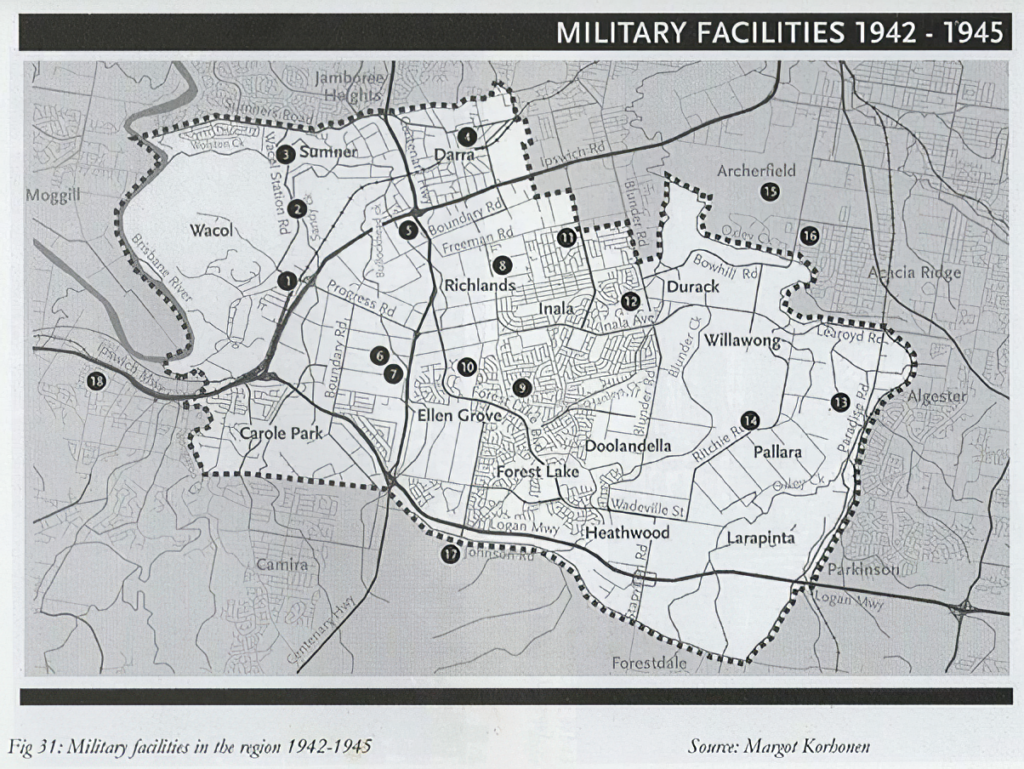
This list is produced by Peter Rasey for the Australian American Ass. Qld. Division with the input and assistance of the late Sir Frank Moore AO, Don Cameron AM, and Rick Jefferies OAM. CCHA has been given permission to publish this on their website and invite people to provide correction, updates or additions. Peter Rasey

WWII Sites in Brisbane Read More »

The Pensacola Convoy – very first American soldiers arrive in Brisbane

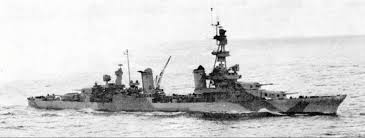
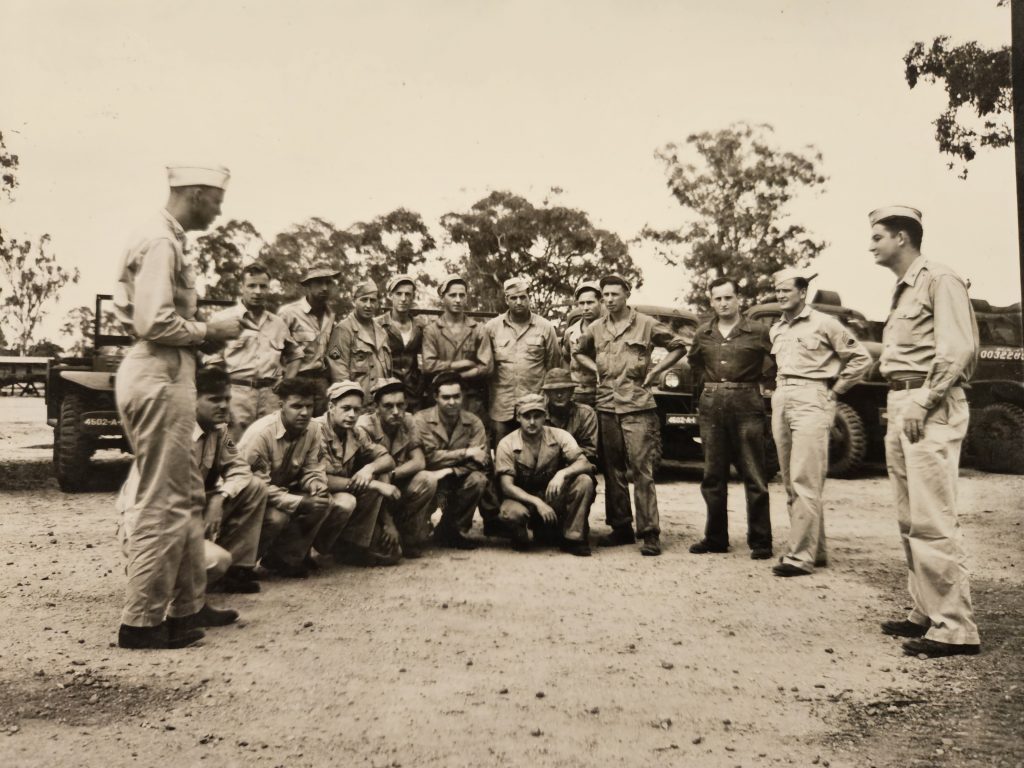
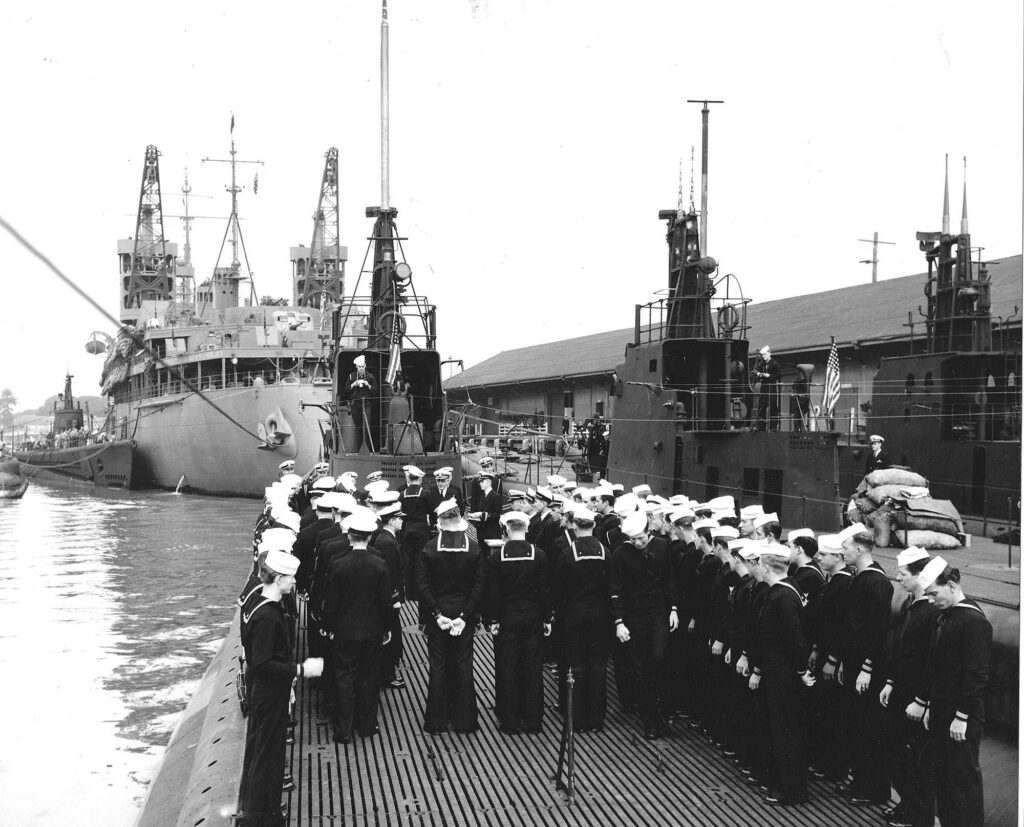
The Pensacola Convoy, officially designated Task Force South Pacific, was a significant U.S. military operation during the early days of World War II. Originally en route to reinforce U.S. bases in the Philippines, the convoy was redirected to Australia following the Japanese attack on Pearl Harbor on 7 December 1941. The convoy departed Pearl Harbor

The Pensacola Convoy – very first American soldiers arrive in Brisbane Read More »

Racism in the Army

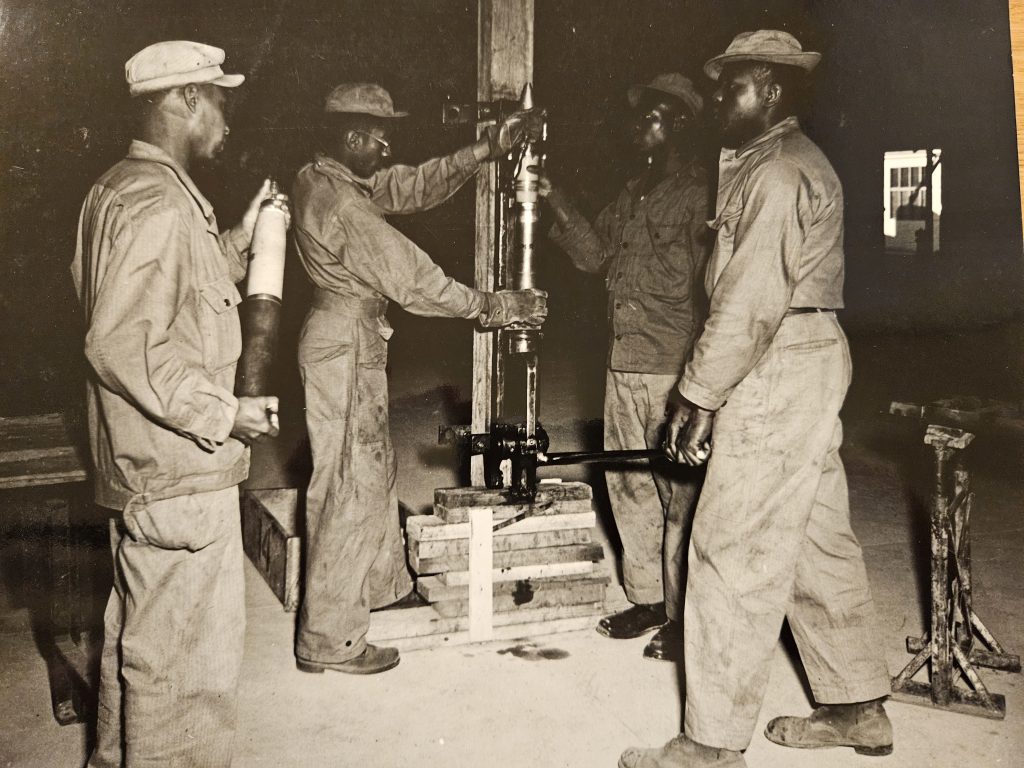
Segregation as brought to Brisbane with the US troops. The US Army formed coloured troops into coloured units (which were not armed-always transport and labour units), housed them in separate camps (e.g. Camp Freeman in. Richlands) and prevented them from entering the Brisbane ‘CBD (West End across the river was designated their Reg.R area). NB-The

Racism in the Army Read More »

Solemn ceremony to farewell fallen American soldiers

On December 22, 1947, Brisbane honored fallen American servicemen with a solemn ceremony. A coffin representing an unknown American soldier was paraded on a gun carriage through King George Square, halting in front of City Hall. Dignitaries, including officers from the Australian Commonwealth Government, Brisbane City Council, various patriotic organisations, and the American Consul, laid

Solemn ceremony to farewell fallen American soldiers Read More »

Radio Communication in Brisbane During World War II

Brisbane played a pivotal role as a strategic hub for Allied communication networks during World War II, hosting critical radio transmitting and receiving stations that facilitated the exchange of intelligence, operational orders, and coordination across the Pacific theatre. Managed by the United States Army Signal Corps, these facilities were complemented by independent networks operated by

Radio Communication in Brisbane During World War II Read More »

US Army Morning Reports Camp Columbia

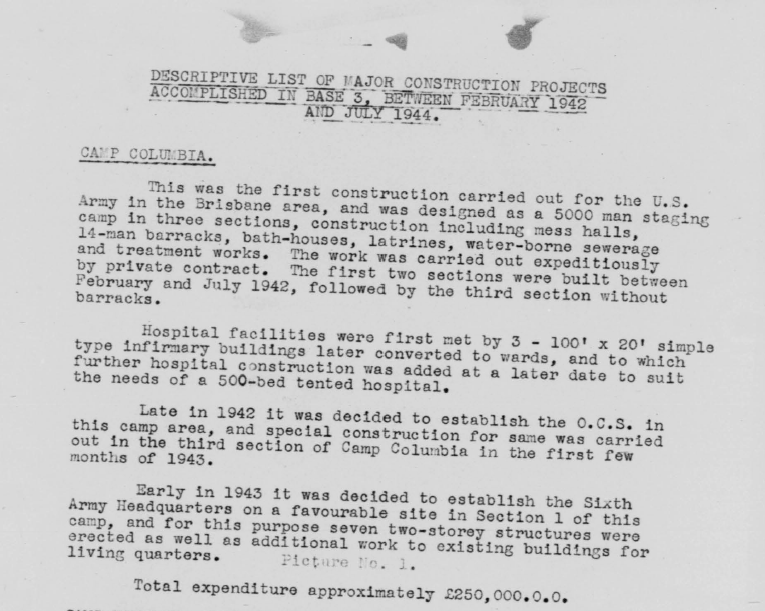
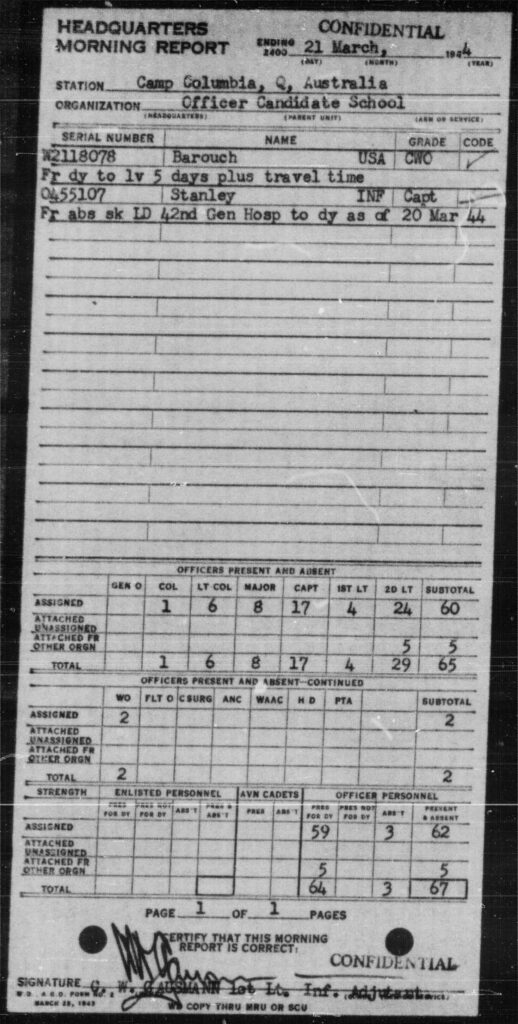
Morning Reports in the U.S. Army were daily administrative documents used to track and report personnel and unit activities. These reports, maintained operational planning, and record-keeping. They are now considered valuable historical resources for research, including genealogy and military history. Key Features of Morning Reports: Accessing Historical Morning Reports Morning reports from the U.S. Army

US Army Morning Reports Camp Columbia Read More »

War Brides

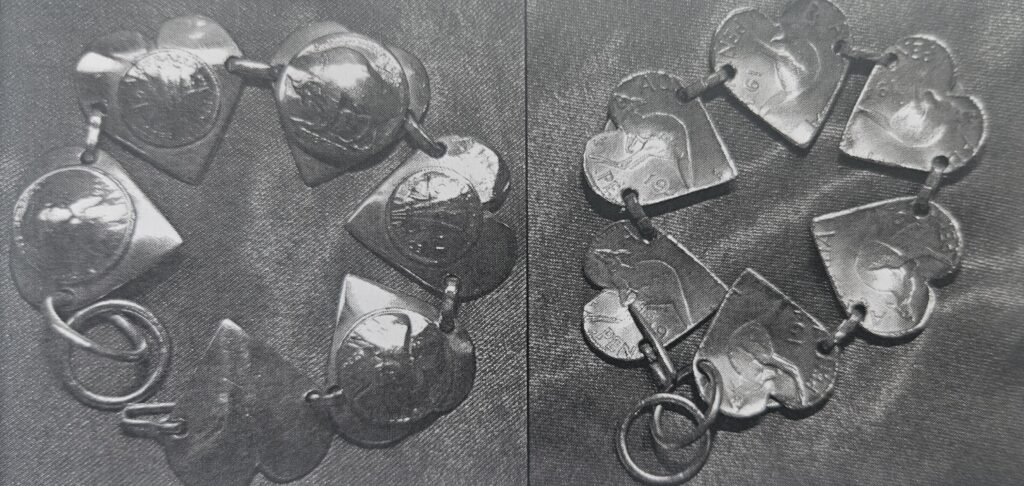
An estimated 300 US soldiers returned to their sweethearts in Australia. 10-12,000 Australian girls married Americans and emigrated to the US – 7000 of them from Queensland. In the USA, the number of war brides was enormous: “During World War II, an estimated one million American soldiers married women from over fifty different countries. In

War Brides Read More »

Bryan “Tex” Grantham – US Army, 32nd infantry division-“The Red Arrows.” Brisbane 1942-45

Bryan was in the US Army, 32nd infantry division-“The Red Arrows.” The departure of their fleet of 43 ships for New Guinea was headlined in the US newspapers – and then they set off from San Francisco with just one light carrier escort! There were 40,000 men-and they had three sleeping shifts to share the

Bryan “Tex” Grantham – US Army, 32nd infantry division-“The Red Arrows.” Brisbane 1942-45 Read More »

Scroll to Top