
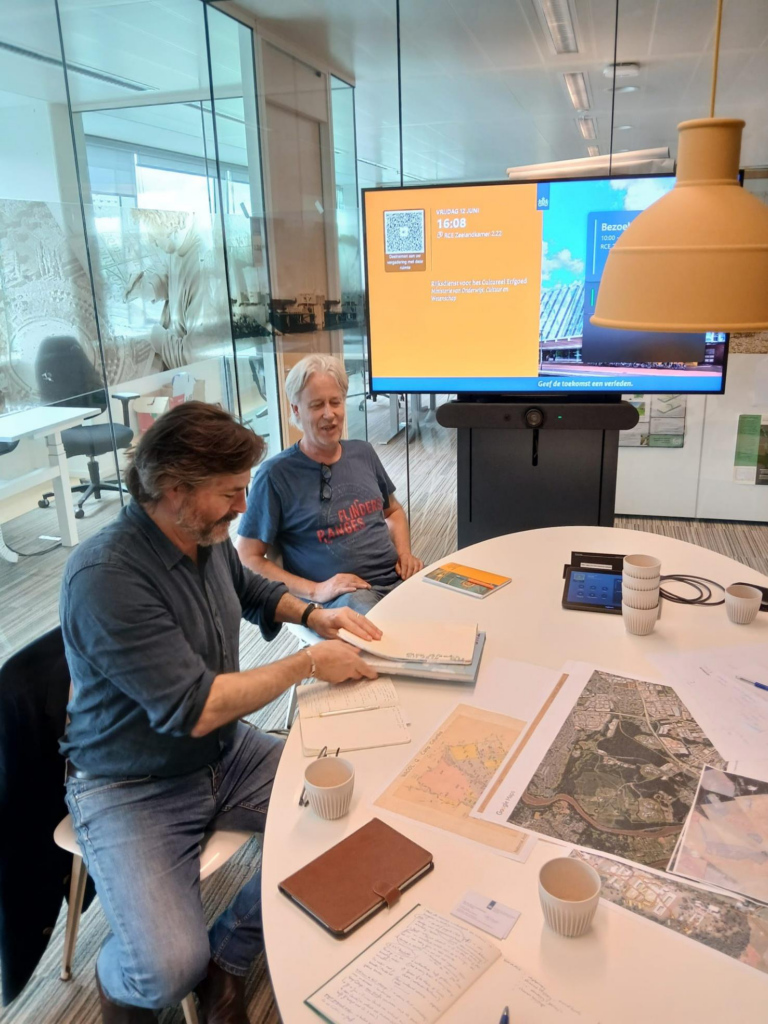
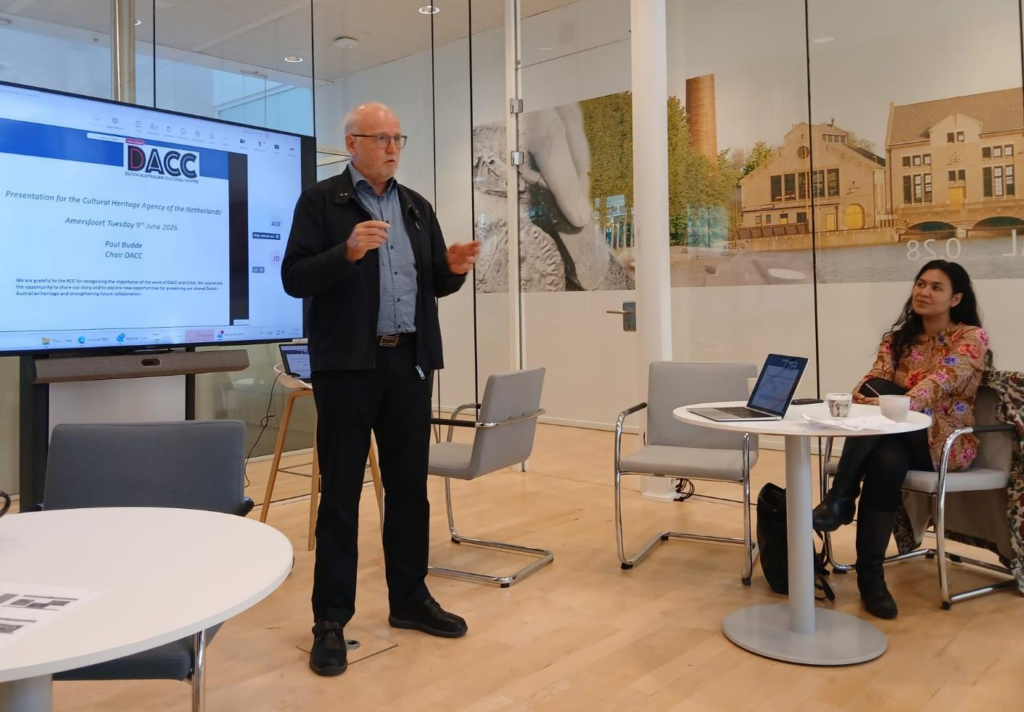
In June 2026, Camp Columbia Heritage Association (CCHA) Chair Paul Budde and University of Queensland historian Associate Professor Geoff Ginn travelled to the Netherlands for a week-long study visit by invitation of the Dutch Cultural Heritage Agency (Rijksdienst voor het Cultureel Erfgoed – RCE). What began as an exchange of knowledge quickly developed into the foundations of a long-term international partnership centred on the shared Dutch–Australian history of Camp Columbia.
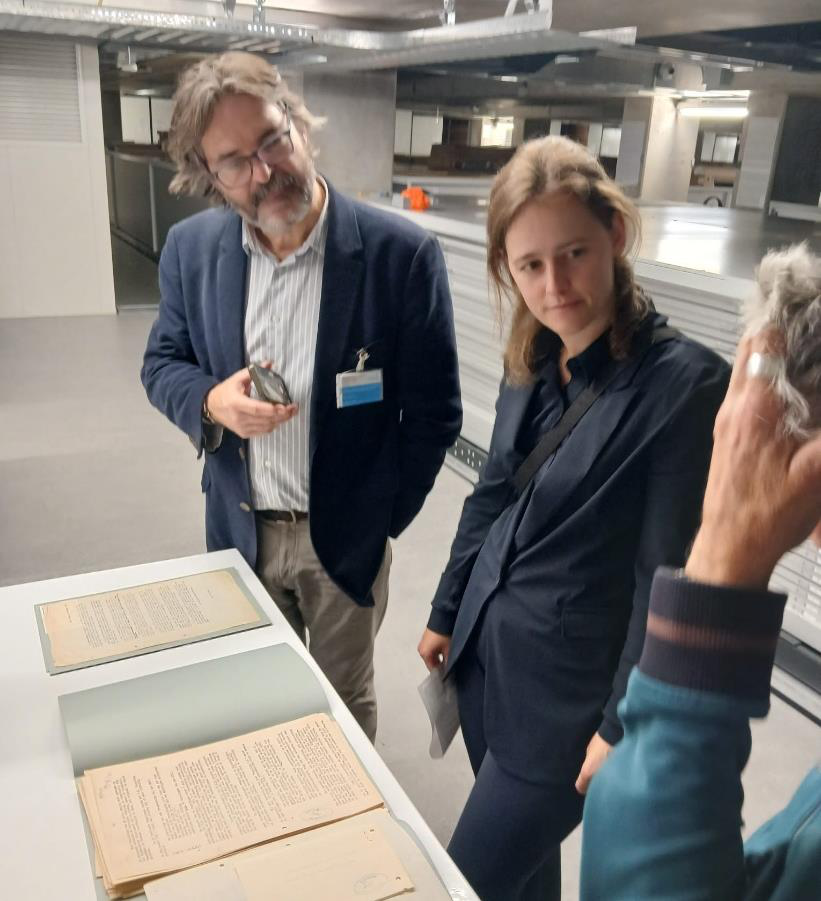
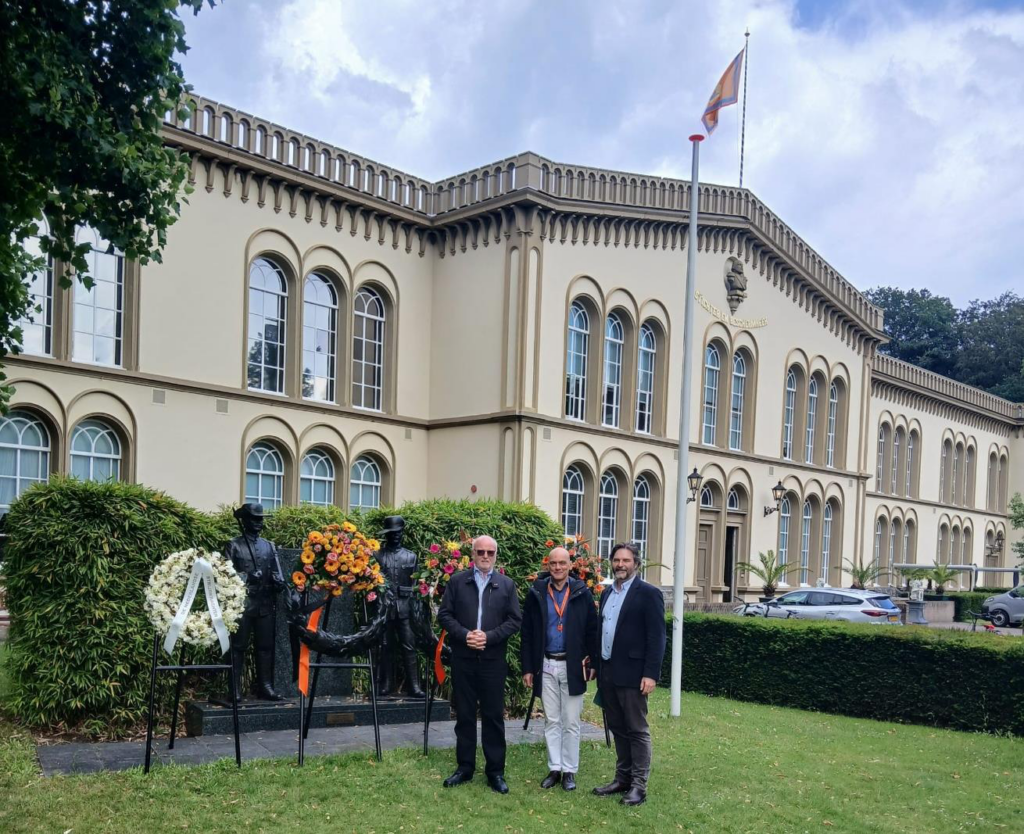
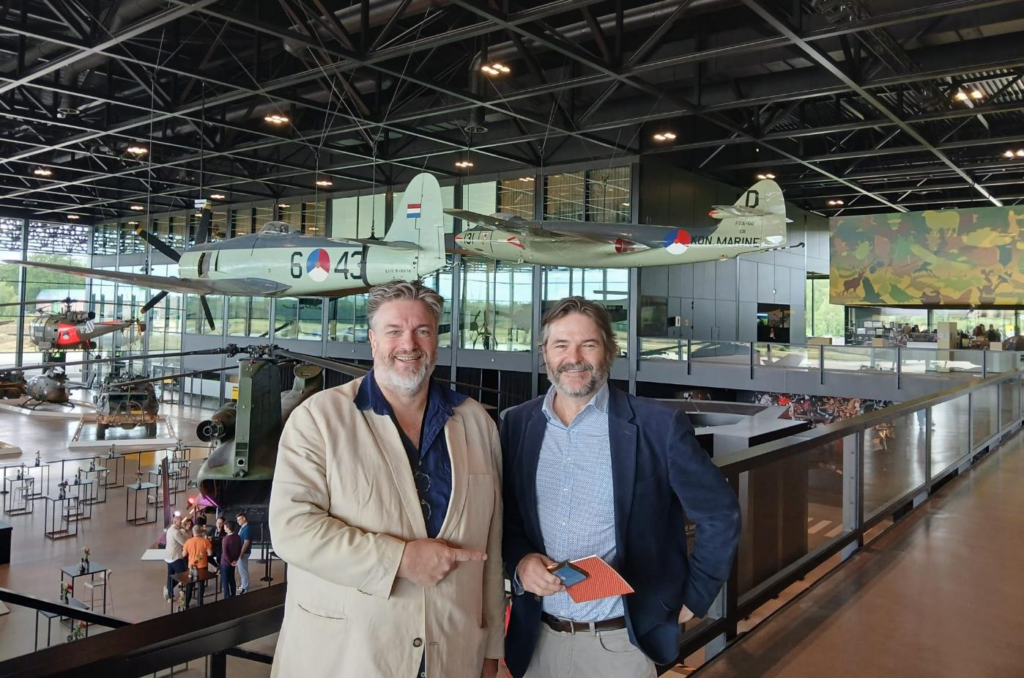
The visit brought together experts from leading Dutch heritage, military and archival institutions, including the National Military Museum, the National Archives, the Netherlands Institute of Military History (NIMH), Museum Bronbeek and the RCE. Throughout the week one message became clear: the story of Camp Columbia is far more than a local Brisbane story. It is an important chapter in both Australian and Dutch history with international significance.
Looking beyond Camp Columbia
One of the strongest themes emerging from the discussions was that Camp Columbia should not be viewed as an isolated site.
Instead, it should become the focal point for telling the much broader story of Brisbane as the Allied Capital in the South West Pacific during the Second World War. At one time Brisbane hosted the headquarters of General Douglas MacArthur, General Sir Thomas Blamey and the Netherlands East Indies Government-in-Exile under Hubertus van Mook.
Dutch experts encouraged the CCHA to present Camp Columbia as the starting point for a much wider historical narrative, connecting Brisbane with Queensland, Australia, the South West Pacific theatre and ultimately the global events that shaped the post-war world.
Heritage is about people as much as places
A recurring lesson from the Netherlands was that successful heritage projects are built around people rather than simply preserving buildings or archaeological remains.
Examples from Dutch projects demonstrated how military sites become meaningful when linked to personal stories, local communities, migrants, veterans and families. Storytelling, digital media and community engagement were seen as just as important as historical research.
This approach aligns closely with the CCHA’s own philosophy of using Camp Columbia to tell stories of the many people whose lives intersected there—from Aboriginal occupation and early European settlement, through the American and Dutch wartime years, to post-war migration and the surrounding multicultural communities.
New opportunities for research
The visit also highlighted exciting opportunities for collaborative research.
The National Archives discussed priorities for digitising Dutch archival collections relating to Australia, while the Netherlands Institute of Military History expressed interest in research collaborations and even future student exchanges with the University of Queensland.
Museum Bronbeek, the Netherlands’ principal museum for the Royal Netherlands East Indies Army (KNIL), revealed a remarkable collection of Australian-related artefacts. These include Australian-made Dutch pilot wings, an Australian flag presented to the KNIL in Brisbane during the war, Australian military equipment and archival material that could one day feature in exhibitions in Australia.
Technology opens new possibilities
One particularly inspiring session focused on digital mapping technologies.
The RCE demonstrated how Geographic Information Systems (GIS) can combine historical maps, aerial photography, archaeological data and documentary sources into interactive heritage platforms. Such technology allows visitors and researchers to visualise how historic landscapes evolved over time.
Because the University of Queensland already works with compatible GIS systems, there are now opportunities to develop similar digital mapping projects for Camp Columbia and its wider landscape.
Wolston House strengthens the story
The Dutch delegation was particularly impressed by the growing partnership between the Camp Columbia Heritage Association, the National Trust of Australia (Queensland) and the University of Queensland.
The Memorandum of Understanding with Wolston House provides opportunities for exhibitions, education programs, archival research, museum storage and potentially even the relocation of one of the surviving Camp Columbia buildings to the Wolston House precinct.
Rather than treating the two sites separately, Dutch experts viewed them as complementary heritage places capable of telling the area’s rich history from Aboriginal occupation through colonial settlement, wartime activity and post-war migration.
Our first collaborative event will take place at Wolston House to celebrate VP Day.
Students will play an important role
Another significant outcome is the growing involvement of University of Queensland students.
Beginning in the second half of 2026, history students will undertake research projects on Camp Columbia using archival collections in both Australia and the Netherlands. Longer-term plans include archaeological fieldwork, digital interpretation, heritage management and public history projects.
The Dutch institutions strongly supported this approach, seeing Camp Columbia as an ideal living classroom where students can combine academic research with practical heritage experience.
An international partnership for the future
Perhaps the most important achievement of the visit was the establishment of an ongoing international network.
The participating organisations agreed to continue working together through a coordinated support group, sharing expertise, archives, exhibitions and research. Plans are already being explored for further collaboration in Australia during 2027, including archaeological work and expanded partnerships involving both Dutch and Australian researchers.
Looking ahead
The Netherlands visit confirmed that Camp Columbia is no longer simply a local heritage project.
It is increasingly recognised as an internationally significant site that tells an important shared story of Australia, the Netherlands and the Second World War.
With strong partnerships now established between the Camp Columbia Heritage Association, the University of Queensland, the National Trust of Australia (Queensland) and leading Dutch institutions, the project is entering an exciting new phase.
Research, archaeology, exhibitions, education and digital innovation will all contribute to ensuring that the story of Camp Columbia reaches new audiences in both Australia and the Netherlands, preserving this remarkable chapter of shared history for future generations.
New articles based on research on material from the people and organisations we visited in the Netherlands
An Australian flag for the Netherlands East Indies forces: A symbol of wartime friendship
A flag stitched with shared sacrifice: Australian POW families and the N.E.I. Regiment in exile
When an Australian Beaufighter brought home part of a German warship
In addition, an important Dutch-language document relating to the NEFIS archive has been added to the collection.
Paul Budde
July 2026