Author name: CCHA

Camp Columbia and the Netherlands: strengthening a shared wartime heritage

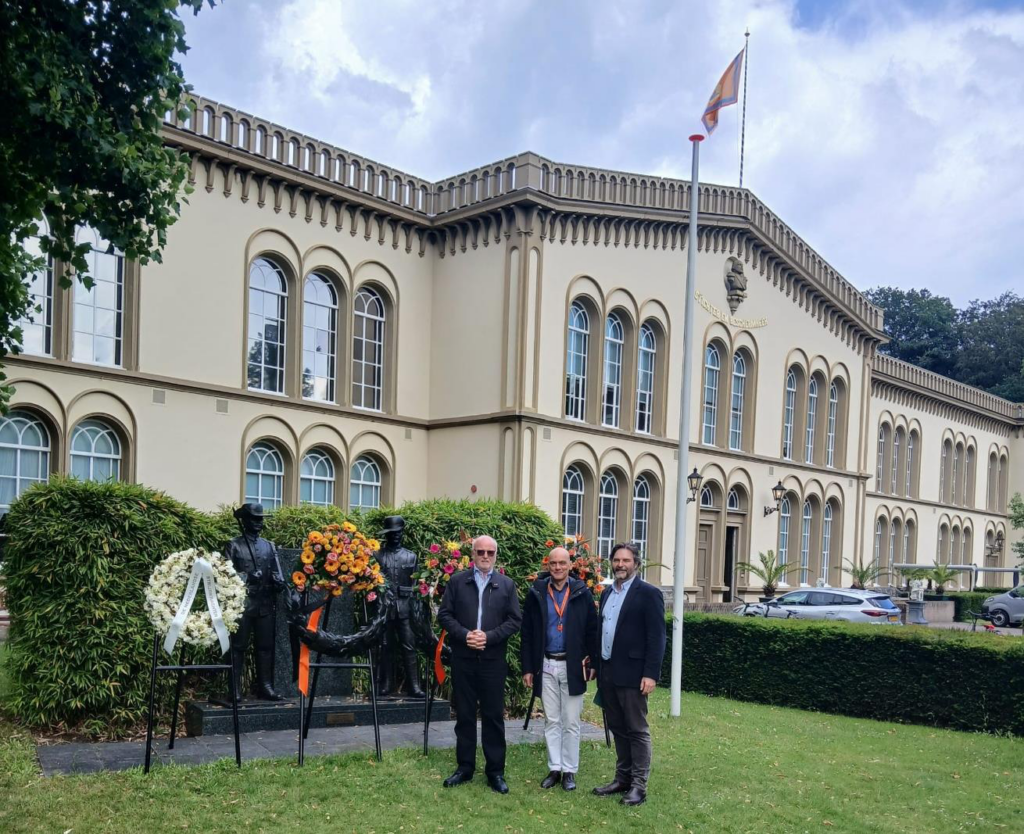
The Camp Columbia Heritage Association (CCHA) and the University of Queensland will participate in a special visitors programme in the Netherlands in June 2026, organised by the Cultural Heritage Agency of the Netherlands (RCE/CHA). The programme aims to strengthen international cooperation surrounding the heritage significance of Camp Columbia at Wacol, Brisbane, one of the most […]

Camp Columbia and the Netherlands: strengthening a shared wartime heritage Read More »

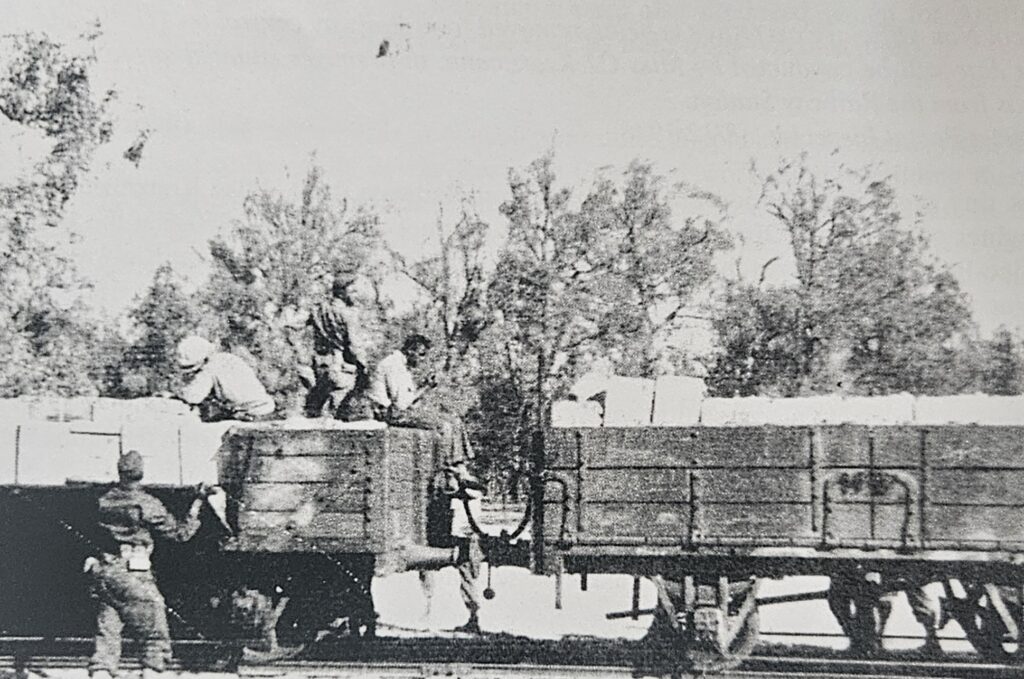
The 99th Signal Battalion and Brisbane’s hidden communications war

Among the many American military units stationed in wartime Brisbane, the 99th Signal Battalion remains one of the least documented. Yet fragmentary records and newly identified evidence now provide a clearer picture of its role within Brisbane’s wartime military network. Signal Corps units generally worked behind the scenes, maintaining communications systems, logistics coordination and command

The 99th Signal Battalion and Brisbane’s hidden communications war Read More »

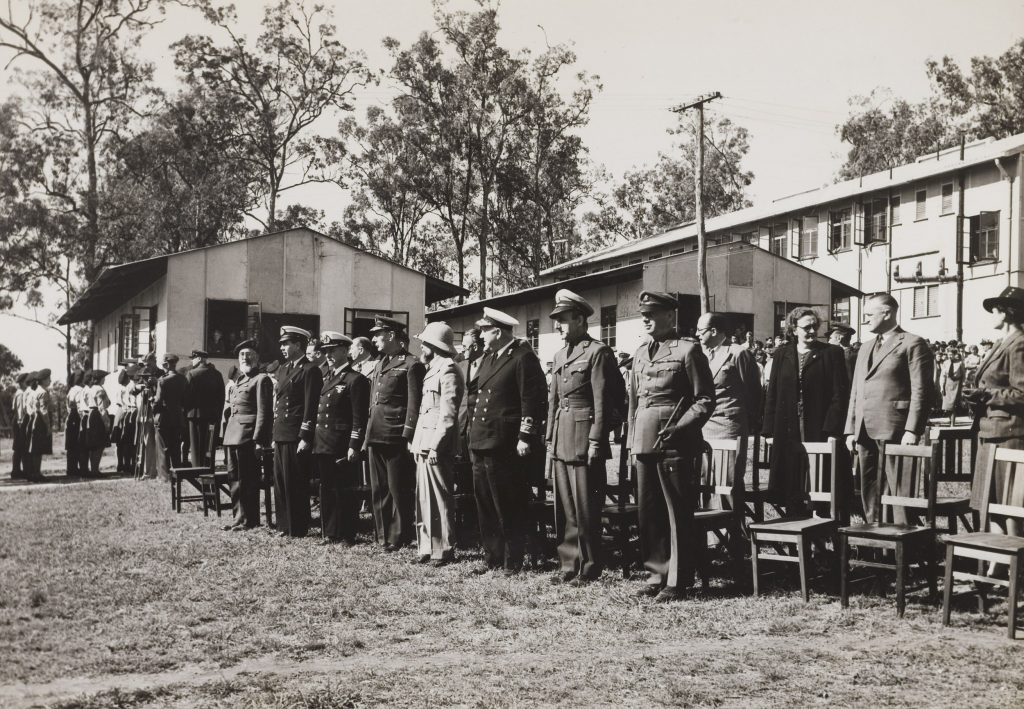
Preserved Camp Columbia buildings at the National Service Heritage Precinct, Wacol

In 2001, when the Department of Defence proposed disposing of the Wacol barracks, Allom Lovell Pty Ltd, Brisbane architects, completed a heritage assessment of the site and concluded: “…The retention of perhaps a sample of typical buildings may be appropriate to recognise the history of this place but any listing of the site in whole

Preserved Camp Columbia buildings at the National Service Heritage Precinct, Wacol Read More »

Camp Columbia and the wartime aviation career of Marinus Willem Reith

The military service record of Marinus Willem Reith provides a fascinating insight into the international wartime networks connected to Camp Columbia and the wider Wacol military area in Brisbane. His file traces a career that moved from the Netherlands East Indies (NEI) to Australia, the United States and eventually back into postwar Indonesia during the

Camp Columbia and the wartime aviation career of Marinus Willem Reith Read More »

Camp Columbia, Wacol and the international wartime aviation career of Willy Erkelens

The military service records of Willy Erkelens provide a remarkable insight into the international wartime and postwar networks connected to Camp Columbia and the wider Wacol military area in Brisbane. His career linked the Netherlands East Indies (NEI), Australia, the United States, New Guinea and postwar Indonesia through Allied military aviation during and after the

Camp Columbia, Wacol and the international wartime aviation career of Willy Erkelens Read More »

From Camp Columbia to correctional precinct: The transformation of Wacol

The landscape of Wacol offers a striking example of how wartime infrastructure can shape long-term urban and institutional development. Parts of the former Camp Columbia (CC), established during World War II as a major Allied military facility, were later incorporated into what has become Queensland’s largest correctional precinct. From military camp to government reserve Following

From Camp Columbia to correctional precinct: The transformation of Wacol Read More »

Wacol Migrant Centre

The history of the former Camp Columbia site at Wacol did not end with the departure of the American and Dutch military forces after the Second World War. In many ways, a new chapter was only just beginning. Over the following decades the vast military complex was transformed into one of Queensland’s most important migrant

Wacol Migrant Centre Read More »

Wolston House and Camp Columbia: shared heritage in Brisbane’s wartime landscape

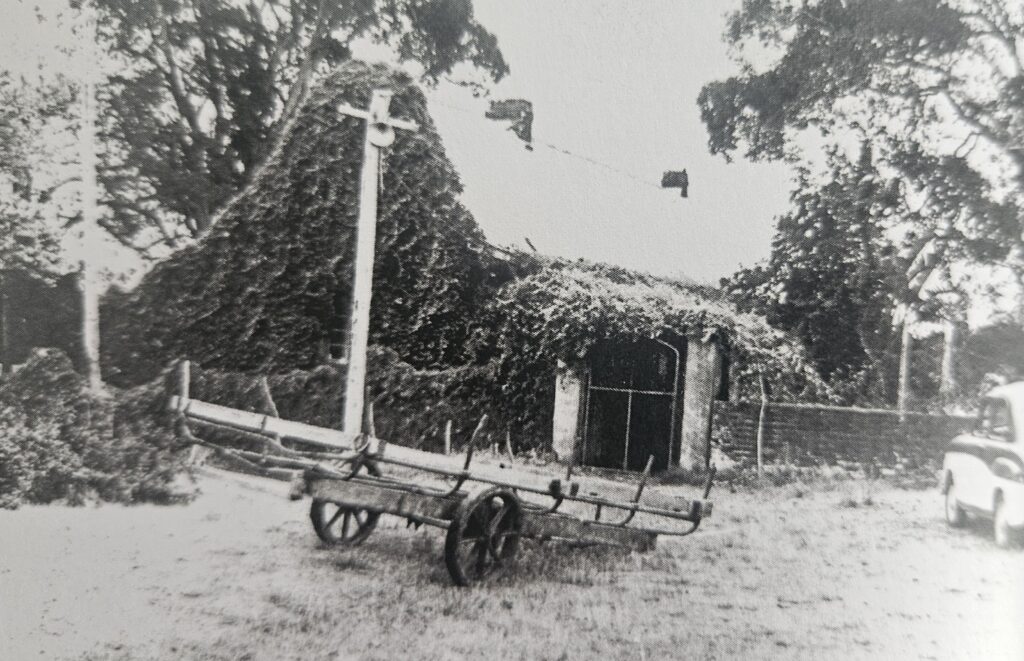
Wolston House at Wacol is one of Brisbane’s oldest surviving colonial homesteads and occupies an important place in both Queensland history and Brisbane’s World War II heritage landscape. Built in 1852, the house long predates the military transformation of the surrounding area during World War II, yet its wartime experiences directly connected it to Camp

Wolston House and Camp Columbia: shared heritage in Brisbane’s wartime landscape Read More »

From Camp Columbia to Wacol Army Camp: a continuing military landscape

The post-war history of Camp Columbia is best understood as a continuous evolution rather than a single transition. From 1945 onward, the site developed into a major Australian Army facility, later known as Wacol Army Camp and centred on Sanananda Barracks. Over more than fifty years, its role changed in line with Australia’s defence priorities,

From Camp Columbia to Wacol Army Camp: a continuing military landscape Read More »

The Dutch Women Army Corps in Brisbane

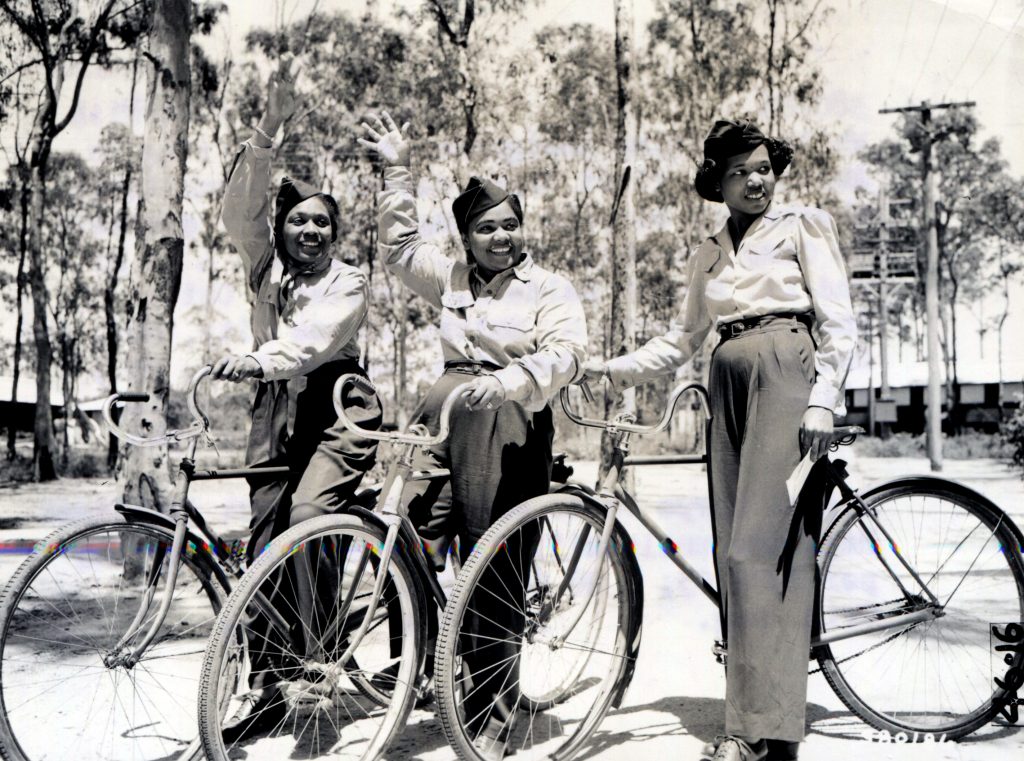
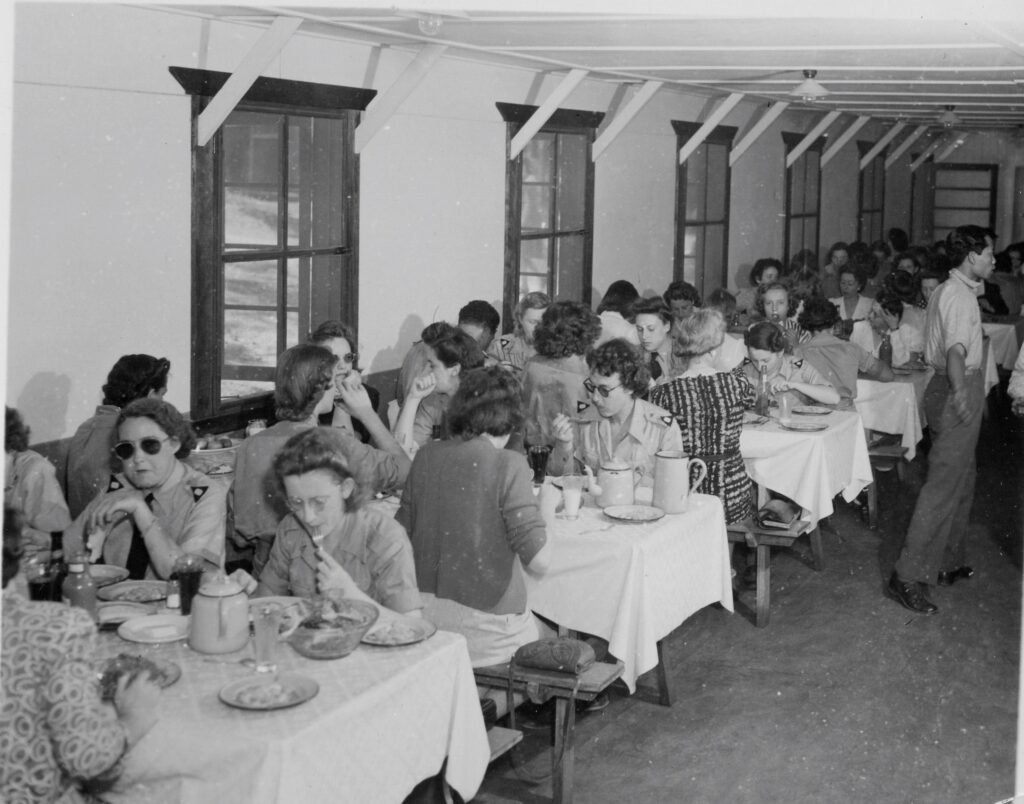
Introduction During the Second World War, women’s military and auxiliary corps became an essential part of the Allied war effort. Across Australia, the United States, Britain, the Netherlands, and the Netherlands East Indies, women served in uniform in a wide range of non-combatant roles that were vital to military effectiveness. Brisbane, and in particular Camp

The Dutch Women Army Corps in Brisbane Read More »

Aboriginal presence in the Wacol area

Aboriginal presence in the Wacol area—historically known as Woogaroo – extends back thousands of years and forms part of the traditional lands of the Jagera and Turrbal peoples. Archaeological and oral evidence indicates sustained occupation, with the Woogaroo clan utilising the area’s river systems, creeks, and natural resources for camping, food gathering, and ceremonial purposes.

Aboriginal presence in the Wacol area Read More »

Brisbane and the maritime lifeline to New Guinea: beyond Camp Columbia

Introduction When considering Brisbane’s role during the Second World War, attention often focuses on specific sites such as Camp Columbia. Yet the wartime reality was far more complex. Brisbane functioned as part of a vast and interconnected operational system, linking command structures, training facilities, supply depots and transport networks. Among the most critical elements of

Brisbane and the maritime lifeline to New Guinea: beyond Camp Columbia Read More »

Wacol Housing Camp as a site of Aboriginal advocacy: the role of Cyril Richards

Following the end of the Second World War, the Camp Columbia site entered a new phase in which its infrastructure was repurposed to meet a range of post-war needs. One of the lesser-known uses of these facilities was the Wacol Housing Camp, where a diverse population of migrants, Australian-born families and Aboriginal residents lived side

Wacol Housing Camp as a site of Aboriginal advocacy: the role of Cyril Richards Read More »

Archerfield Memories

This document provides a first-hand civilian account of Brisbane’s wartime aviation environment during the Second World War and the immediate post-war years, as experienced at Archerfield Aerodrome. It reflects the strongly international character of Brisbane at the time, shaped by the presence of American, Australian, Dutch, and Netherlands East Indies personnel operating within a shared

Archerfield Memories Read More »

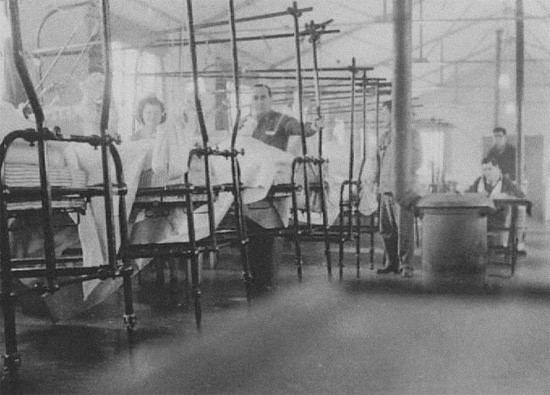
Camp Columbia hosted refugees from the Japanese camps.

Following the Japanese invasion and occupation of the Dutch East Indies (now Indonesia) during World War II, many Dutch men, women, and children were interned in civilian and military prisoner-of-war camps. Conditions in these camps were often severe, marked by overcrowding, chronic food shortages, forced labour, and a near-total absence of medical supplies. Malnutrition and

Camp Columbia hosted refugees from the Japanese camps. Read More »

Scroll to Top