
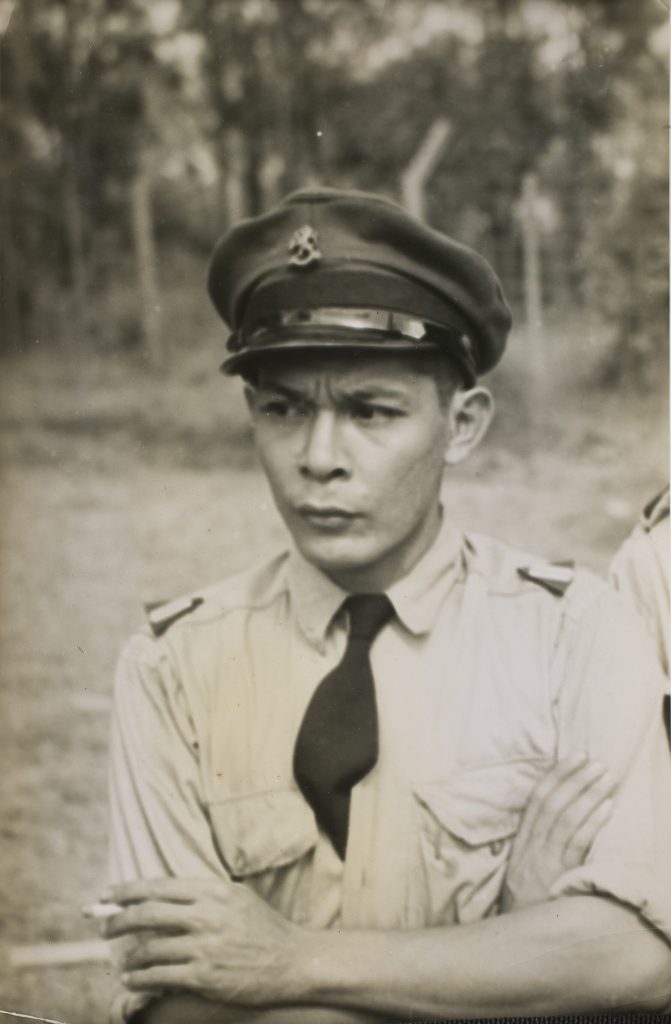
Mauritz Christiaan Kokkelink became one of the best-known survivors of the remarkable resistance maintained against the Japanese in Dutch New Guinea during the Second World War.
Born on 17 June 1913 at Fort Willem I in Ambarawa, Netherlands East Indies, Kokkelink joined the Royal Netherlands East Indies Army (KNIL) in 1931. Following the Japanese occupation of the Manokwari area in April 1942, he was among a group of approximately sixty KNIL personnel and civilians who withdrew into the rugged interior under Captain J.B.W. Willemsz Geeroms.
For more than two years the group resisted Japanese attempts to destroy it while enduring hunger, disease and extreme isolation. Local Papuan knowledge and assistance were crucial to its survival.
On 18 April 1944 Japanese forces attacked one of the resistance camps. Geeroms and others were captured and subsequently killed. Kokkelink assumed command of the remaining resistance fighters and continued their struggle.
Contact with NEFIS and evacuation to Australia
In September 1944, the Netherlands Forces Intelligence Service (NEFIS) sent Party RADISH to establish contact with the surviving resistance group.
When members of the NEFIS party were unable to penetrate sufficiently far inland, two Papuan scouts carried a message through the jungle. They reached Kokkelink and his companions on 22 September. On 4 October 1944 the survivors made contact with Party RADISH and were subsequently evacuated.
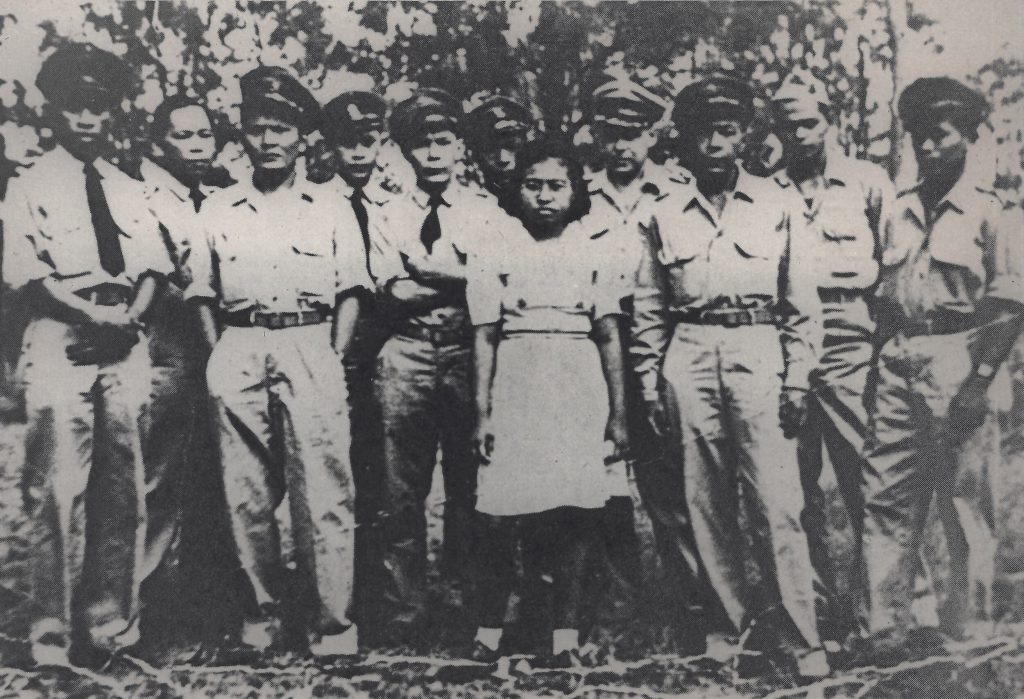
Kokkelink and other members of the resistance group eventually came to Australia. A photograph taken at Camp Wacol records eleven members of the group together, including Kokkelink and Coosje Ayal.
Military Order of William
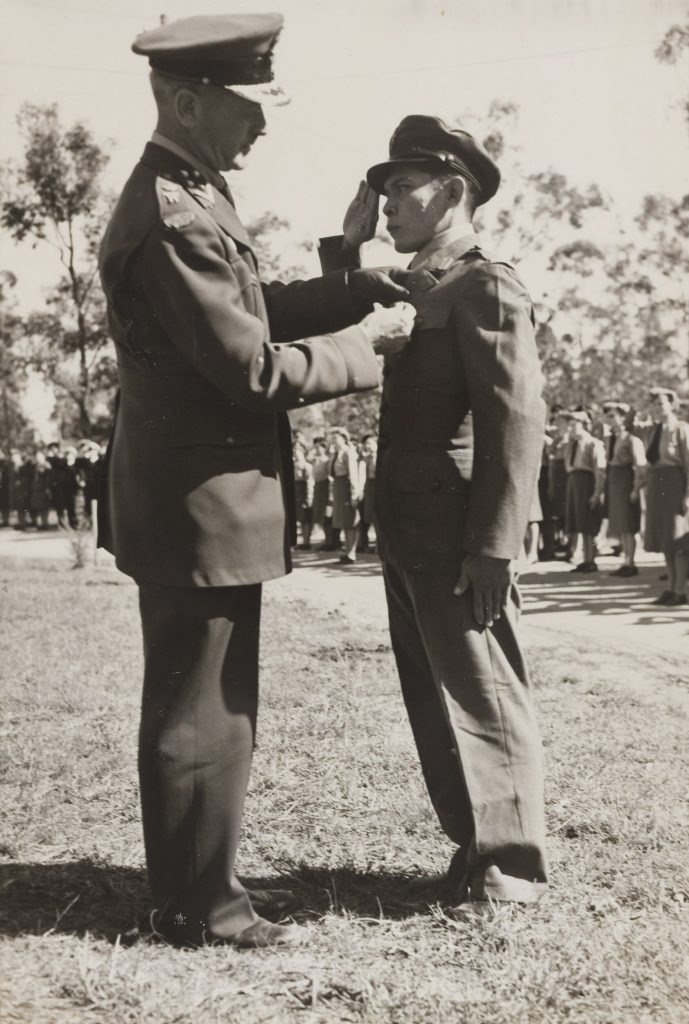
For his courage, leadership and perseverance during more than two years of resistance, Kokkelink was appointed a Knight 4th Class of the Military Order of William, the Netherlands’ highest military decoration.
His appointment was made by Royal Decree No. 17 of 12 April 1945.
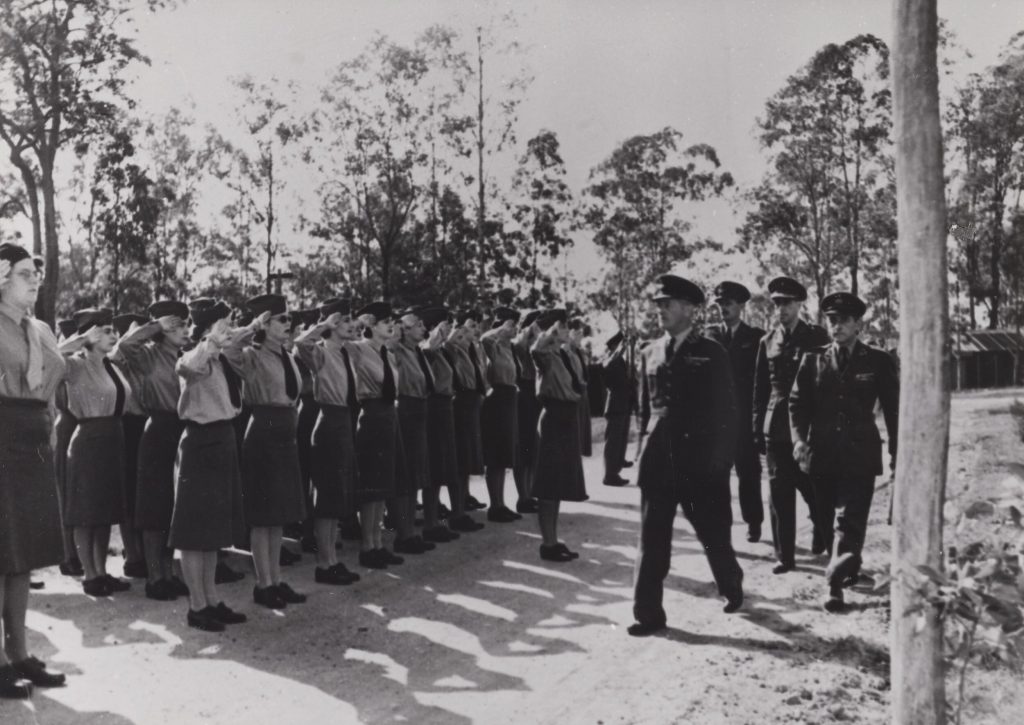
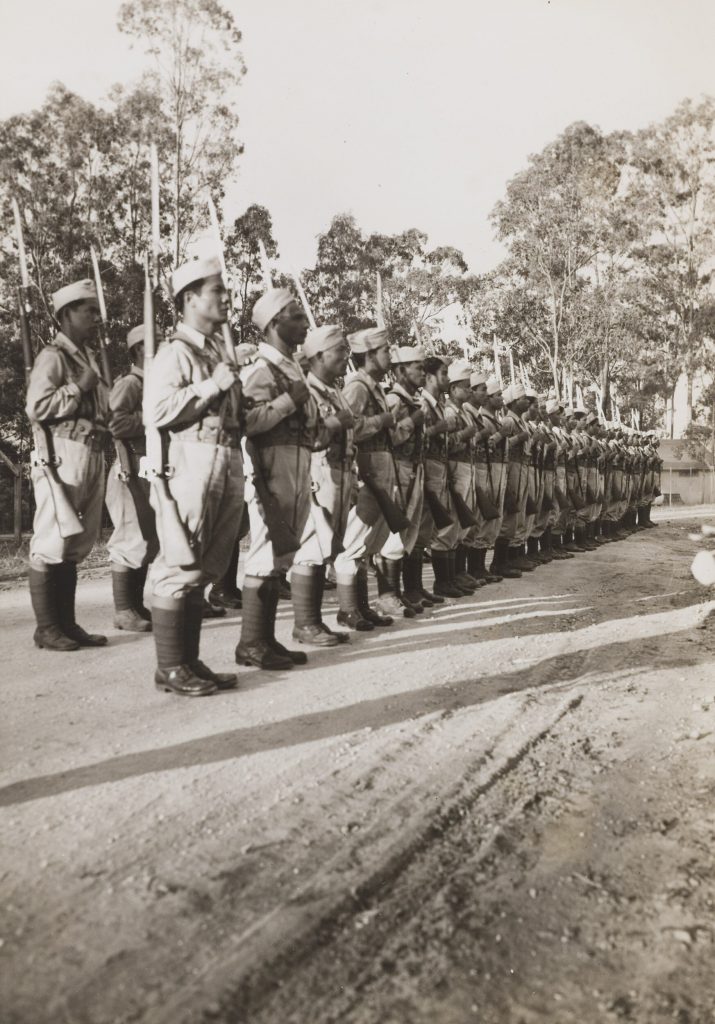
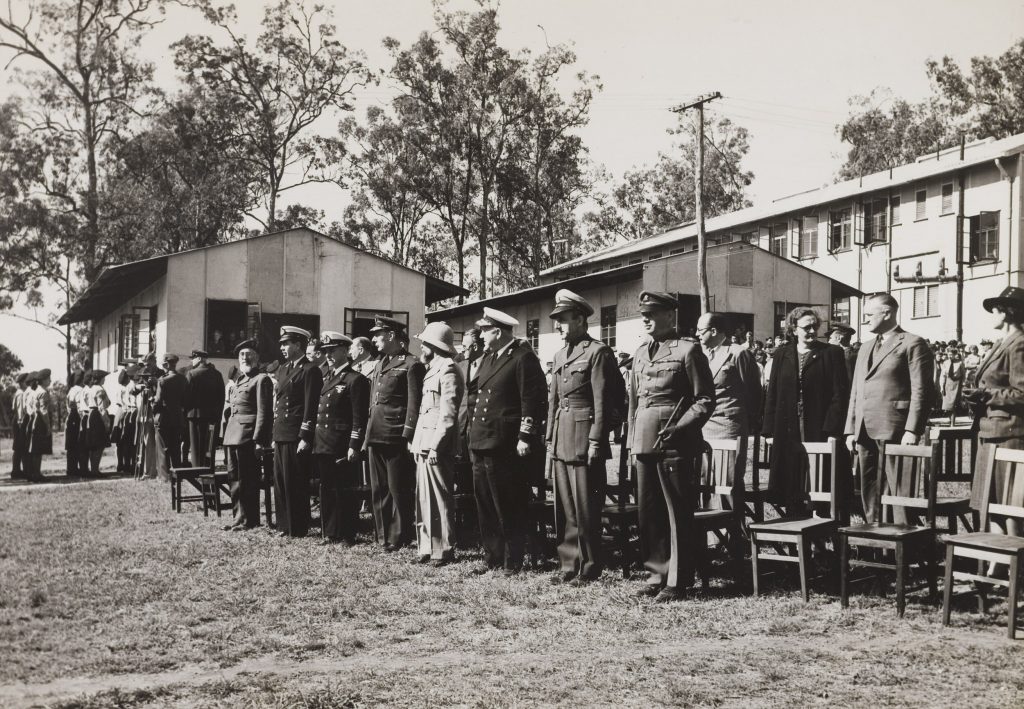
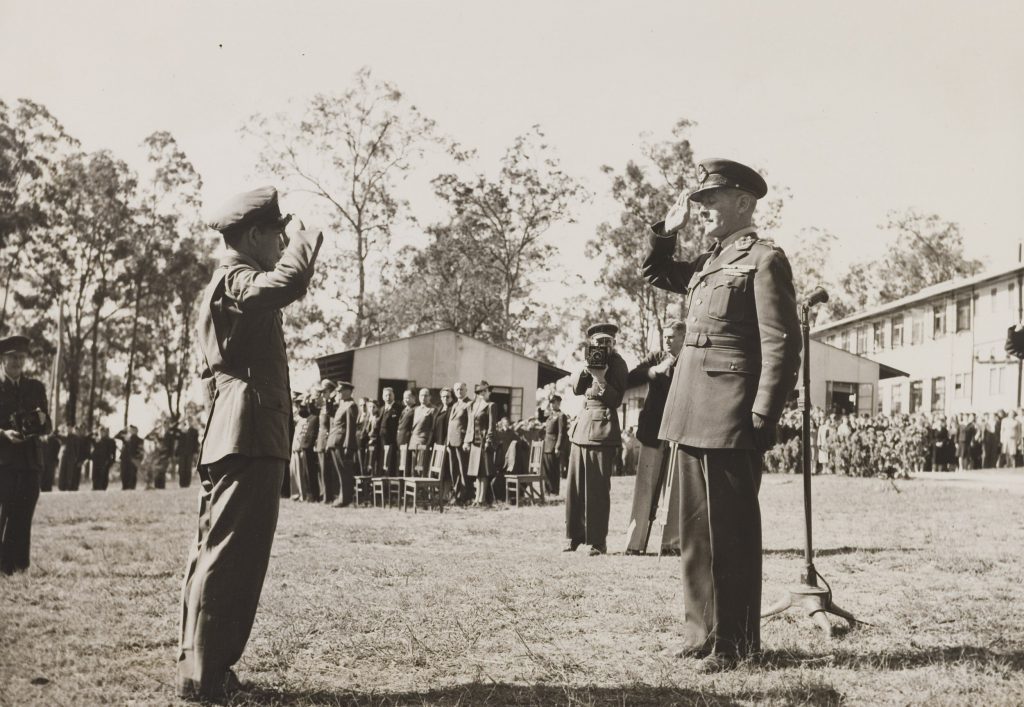
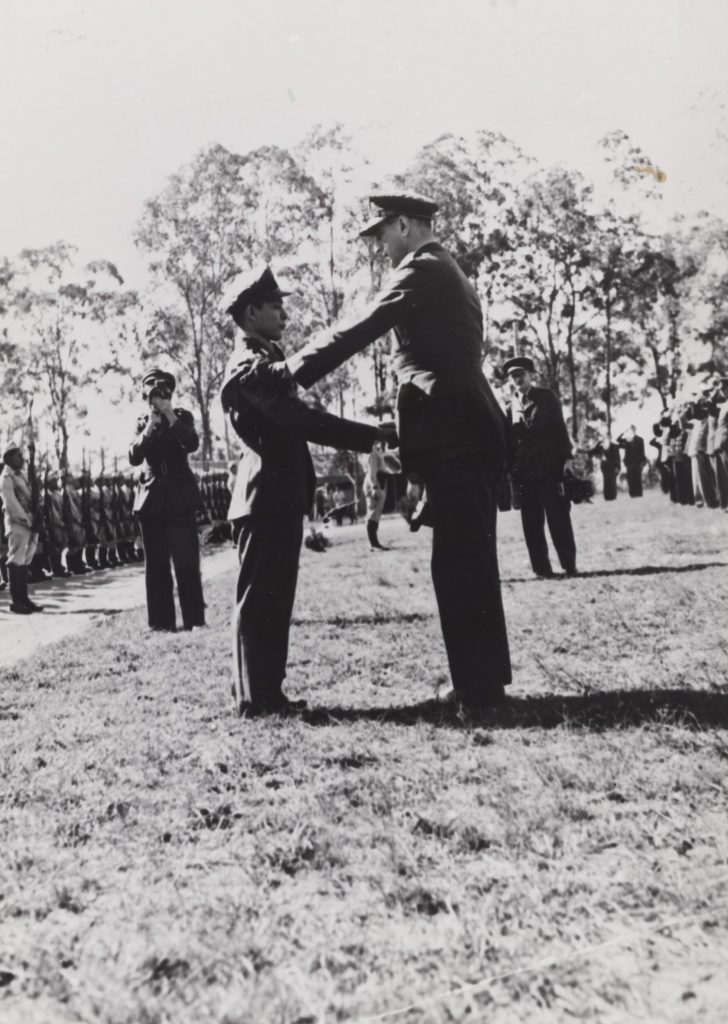
The decoration was formally presented at Camp Columbia in Brisbane on 6 August 1945 by Lieutenant-General Ludolph van Oyen, commander of the Royal Netherlands East Indies Army.
The extensive photographic record of the ceremony preserved in the archives of the Royal Netherlands Army provides a remarkable visual record of this event at Camp Columbia.
Celebrations at Camp Columbia 6 August 1945
The following pictures are from the archives of the Royal Netherlands Army.
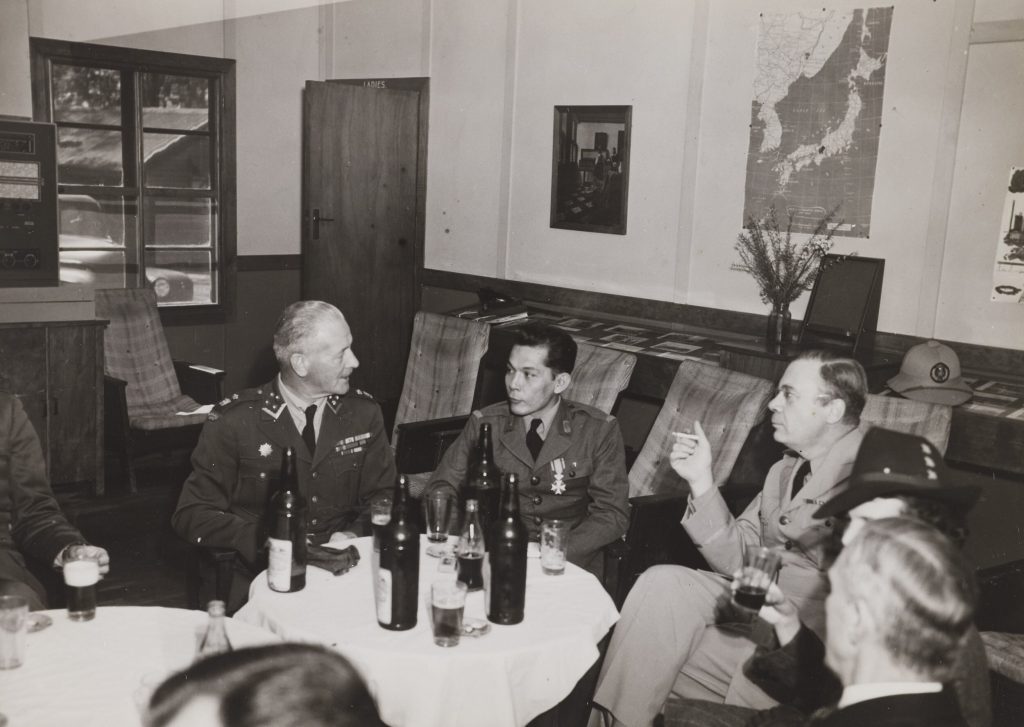
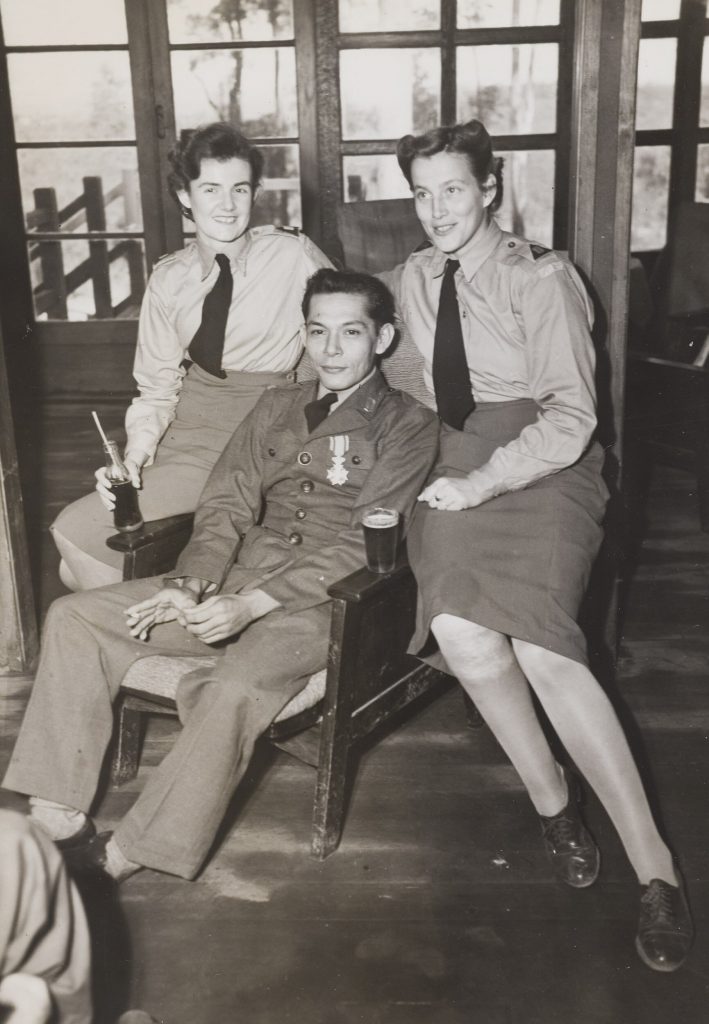
Translation of the Royal Degree
Wij vochten in het bos. We fought in the jungle
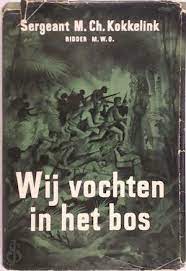
Kokkelink later recorded his experiences in Wij vochten in het bos, published in 1956. His memoir provides a first-hand account of the Manokwari resistance and the extraordinary conditions under which the group survived during the Japanese occupation.
Dutch-Australian Henri Licht later translated Kokkelink’s memoir into English as We fought in the jungle: My guerrilla struggle in New Guinea in the Second World War. See: We fought in the jungle
Further reading
For the fuller story of Mauritz Kokkelink, the Manokwari resistance and his subsequent life, see the DACC article “Mauritz Kokkelink: A heroic tale of resistance and endurance.”
For related research on NEFIS, Dutch and Indonesian intelligence personnel and special operations from Australia during WWII, see the DACC Research Portal.