news

The 99th Signal Battalion and Brisbane’s hidden communications war

Among the many American military units stationed in wartime Brisbane, the 99th Signal Battalion remains one of the least documented. Yet fragmentary records and newly identified evidence now provide a clearer picture of its role within Brisbane’s wartime military network. Signal Corps units generally worked behind the scenes, maintaining communications systems, logistics coordination and command […]

The 99th Signal Battalion and Brisbane’s hidden communications war Read More »

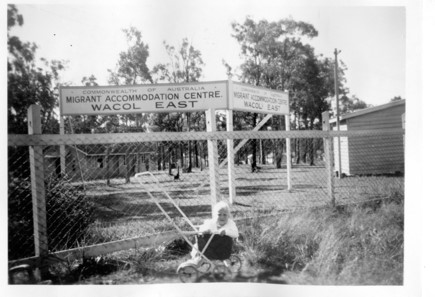
Wacol Migrant Centre

The history of the former Camp Columbia site at Wacol did not end with the departure of the American and Dutch military forces after the Second World War. In many ways, a new chapter was only just beginning. Over the following decades the vast military complex was transformed into one of Queensland’s most important migrant

Wacol Migrant Centre Read More »

The Dutch Women Army Corps in Brisbane

Introduction During the Second World War, women’s military and auxiliary corps became an essential part of the Allied war effort. Across Australia, the United States, Britain, the Netherlands, and the Netherlands East Indies, women served in uniform in a wide range of non-combatant roles that were vital to military effectiveness. Brisbane, and in particular Camp

The Dutch Women Army Corps in Brisbane Read More »

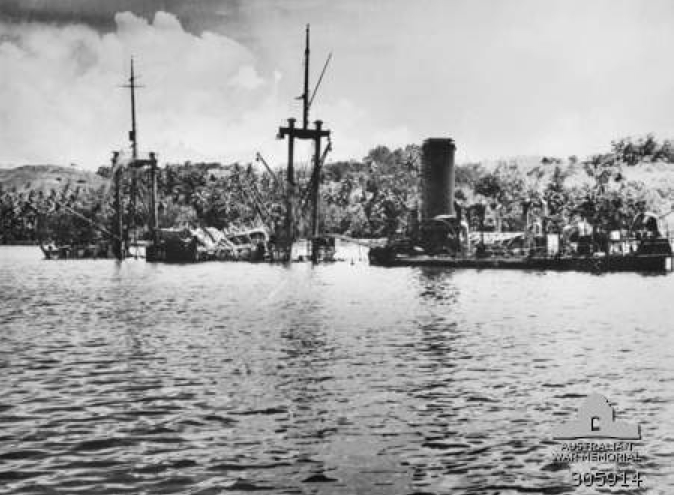
Brisbane and the maritime lifeline to New Guinea: beyond Camp Columbia

Introduction When considering Brisbane’s role during the Second World War, attention often focuses on specific sites such as Camp Columbia. Yet the wartime reality was far more complex. Brisbane functioned as part of a vast and interconnected operational system, linking command structures, training facilities, supply depots and transport networks. Among the most critical elements of

Brisbane and the maritime lifeline to New Guinea: beyond Camp Columbia Read More »

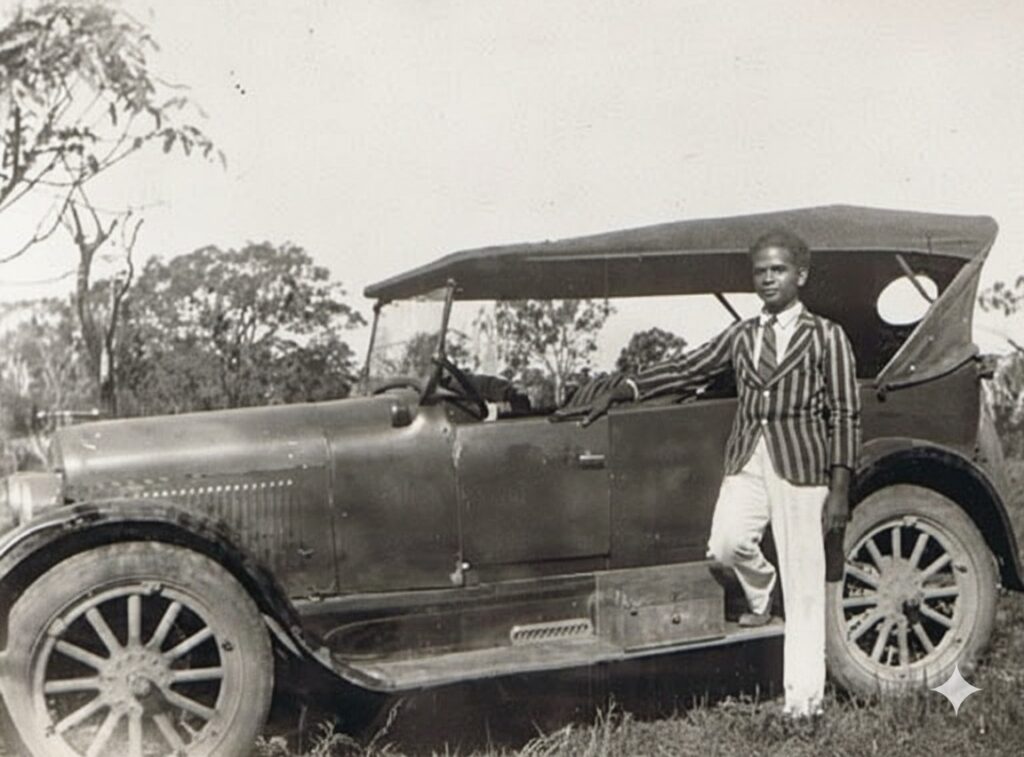
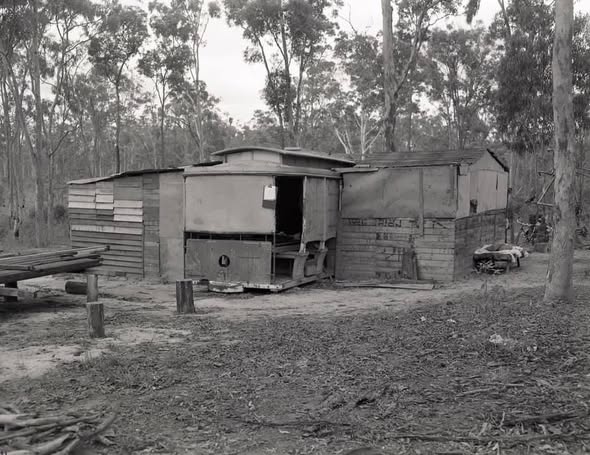
Wacol Housing Camp as a site of Aboriginal advocacy: the role of Cyril Richards

Following the end of the Second World War, the Camp Columbia site entered a new phase in which its infrastructure was repurposed to meet a range of post-war needs. One of the lesser-known uses of these facilities was the Wacol Housing Camp, where a diverse population of migrants, Australian-born families and Aboriginal residents lived side

Wacol Housing Camp as a site of Aboriginal advocacy: the role of Cyril Richards Read More »

Scroll to Top