
Women served at Camp Columbia during both its American and Dutch periods. American Army nurses worked in the camp’s medical facilities, while members of the American Women’s Army Corps served within the wider United States military organisation in Brisbane.
From 1944, after the principal American units moved north, Camp Columbia became the headquarters of the Netherlands East Indies Government-in-Exile and an important centre for Dutch military, governmental and administrative organisations.
Members of the Vrouwenkorps Koninklijk Nederlands-Indisch Leger—the Women’s Corps of the Royal Netherlands East Indies Army, generally known as the VK-KNIL—were accommodated at Camp Columbia and worked there in communications, transport, supply and administrative roles.
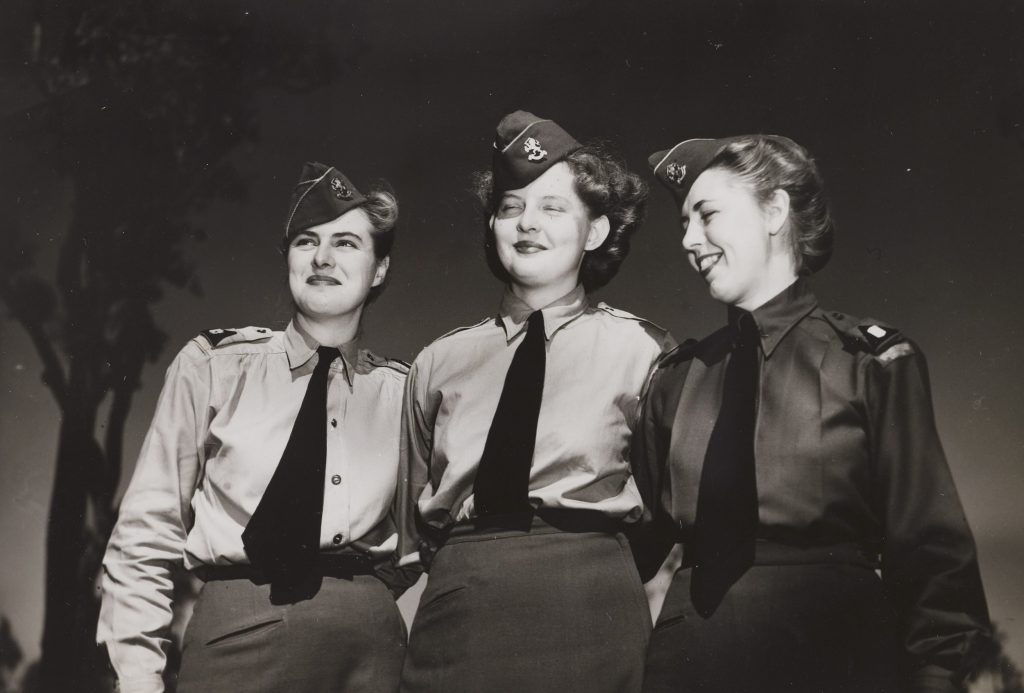
They should be distinguished from Australian civilian women employed by Dutch military, governmental and intelligence organisations at the camp. They were also separate from the American Women’s Army Corps, although Australians sometimes referred to VK-KNIL members informally as the “Dutch WACs.”
This article concentrates on what the VK-KNIL women did and experienced at Camp Columbia. Much of the detailed information comes from the recollections and surviving documents of Joan van Embden-Butler. Her account provides an unusually personal view of the camp, but the duties and experiences of individual VK-KNIL members varied.
Establishment and recruitment
The Australian-based VK-KNIL was formally established in Melbourne on 5 March 1944. Its purpose was to train women for non-combatant military service, releasing men for operational duties and preparing personnel for service in the Netherlands East Indies.
Recruitment extended across Australia and later further afield. Women with Dutch or Netherlands East Indies connections were recruited in Western Australia, South Australia and other states. Some came from Dutch families already established in Australia, while others were refugees or students from the Netherlands East Indies.
Recruitment was not confined to Australia. With the Netherlands under German occupation and the Netherlands East Indies largely occupied by Japan, Dutch authorities sought suitable women throughout the unoccupied Dutch and Allied world. Recruits came from Suriname, Curaçao (see newspaper article) and other parts of the Caribbean, as well as Canada, the United States, Britain, South Africa and Argentina. Women were also recruited through Dutch diplomatic and consular posts overseas, creating a corps whose members came from widely differing cultural, linguistic and family backgrounds.
Joan Butler, later Joan van Embden-Butler, was among those recruited in Western Australia. She travelled east with Dina Knol-Freese and Johanna Mol and reported to Camp Columbia in August 1944.
Accommodation in Women’s C Area
Joan recalled that the VK-KNIL women took over the American WACs accommodation in the C Area at Camp Columbia. Their section contained military barracks and was separated from other parts of the camp by barbed wire.
The women lived communally and followed the routines and restrictions of military life. Barracks accommodation, mess-hall meals, instruction, physical training and assigned duties replaced the independence and privacy of civilian life.
Camp Columbia was a large, dispersed military complex rather than a single compact camp. Its population included Dutch and Netherlands East Indies servicemen, government officials, intelligence personnel, civilian employees and Indonesian members of various military and administrative organisations.
The VK-KNIL women therefore lived and worked within a diverse community preparing for the liberation and post-war administration of the Netherlands East Indies.
Training at Camp Columbia and Yeronga Park
VK-KNIL recruits underwent basic military instruction, including drill, marching, physical training, military discipline and familiarity with rank and military procedures.
Language training was also important. Not every recruit spoke standard Dutch fluently. Some came from English-speaking homes or had grown up outside the Netherlands and the Netherlands East Indies. Dutch lessons helped prepare them to work within the KNIL and its associated government organisations.
Malay instruction was provided because many of the women were expected eventually to serve in the Indonesian archipelago.
Kruyswijk-van Thiel’s research indicates that the Australian training also included first aid, tropical hygiene and instruction in preparing Indonesian food in large quantities. Some women learned to dismantle and reassemble a machine gun and participated in firing exercises. This was intended as military familiarisation rather than preparation for combat: VK-KNIL members generally served unarmed and were not expected to use weapons operationally.
Not all training was conventional. One former member recalled that approximately nine women awaiting regular assignments were given shovels and pickaxes and helped excavate a site in the hills for a proposed open clubhouse. The episode illustrates both the shortage of clearly defined assignments and the practical nature of camp life.
Training took place at more than one location. Camp Columbia became an important accommodation, administrative and working base, while Yeronga Park was a significant training centre. The respective roles of the two locations should not be confused.
Cooperation with American WACs
Before the Dutch women arrived, American servicewomen were already serving within the extensive United States military organisation in Brisbane. Members of the American Women’s Army Corps were stationed at Yeronga Park, which accommodated American communications, service and military-police units.
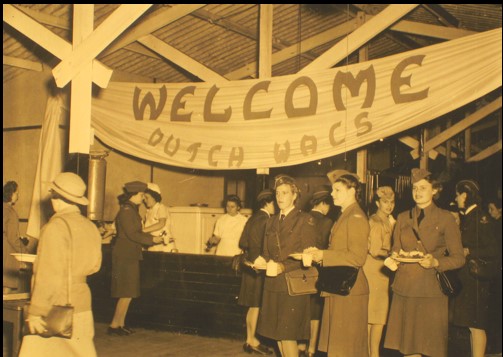
On 26 September 1944, American WAC personnel hosted a welcome lunch at Yeronga Park for 26 VK-KNIL members.
American servicewomen also provided practical assistance. Joan recalled receiving driving instruction from American WACs. This contact introduced the new Dutch recruits to women who already had experience in military transport, communications and administrative service.
The two corps nevertheless remained separate organisations. The VK-KNIL was part of the Royal Netherlands East Indies Army and did not form part of the American Women’s Army Corps.
The cooperation between the two groups is explored more fully in the separate article on VK-KNIL and American servicewomen at Yeronga Park.
Work at Camp Columbia
The VK-KNIL was created principally to provide women for non-combatant military duties. At Camp Columbia, its members worked in areas such as:
- telephone and communications services;
- transport and vehicle operations;
- supply and stores administration;
- typing and clerical work;
- records management; and
- medical and welfare support.
Joan’s duties included work on the telephone switchboard, driving and clerical responsibilities in the supply depot. She was promoted to corporal.
Switchboard operators connected calls manually between offices, military units and outside locations. Accuracy and discretion were essential within a camp containing military headquarters, government departments and intelligence organisations.
Transport work involved handling military vehicles and moving personnel, documents and supplies around the large camp complex. Supply and administrative staff maintained the records needed to operate the Dutch military and governmental organisation.
These duties may appear routine when compared with combat operations, but Camp Columbia could not function without communications, transport, stores and accurate administration.
Not every VK-KNIL member performed the same work or remained at Camp Columbia for the same length of time. Some were posted elsewhere in Australia, while others passed through Brisbane before undertaking medical, humanitarian or administrative duties overseas.
Meals, physical training and Bep van Klaveren
Joan remembered eating in the camp’s enormous mess halls. These facilities had originally been built to serve large numbers of American troops and continued to be used during the Dutch occupation.
Physical training formed part of the women’s military routine. Joan recalled:
Physical training was conducted by former Dutch boxing champion Bep van Klaveren, who also operated the camp’s PX store.
Van Klaveren was one of the Netherlands’ most prominent sportsmen. Known as “The Dutch Windmill,” he won the featherweight boxing gold medal at the 1928 Amsterdam Olympic Games and later developed an international professional career.
His presence at Camp Columbia as a physical instructor and operator of the Post Exchange is an unusual connection between Dutch sporting and military history. It is also a subject requiring further investigation.
Recreation and contact with Brisbane
Camp Columbia contained cinemas, messes and social facilities inherited from the American occupation. Joan remembered attending outdoor films at the camp.
Transport into Brisbane enabled the women to attend social gatherings and meet other Dutch, Netherlands East Indies and Allied personnel. Excursions outside the camp provided welcome relief from military routines and communal barracks life.
These social contacts were also important for people separated from their families by war and displacement. Friendships and relationships developed among military personnel, government employees and civilian workers. Some eventually resulted in marriage and post-war settlement in Australia or elsewhere.
One documented Camp Columbia marriage was that of VK-KNIL member Geertruida “Truus” Hoyinck and Netherlands Indies civil administrator J.A. “Jack” Hompe. They were married in a Catholic ceremony at the camp on 28 July 1945. Their subsequent service in North Celebes is covered in The wartime journey of Jack and Truus Hompe
The individual personal stories provide more detail about these relationships without requiring them all to be repeated in this Camp Columbia overview.
Australian civilian women
Not all women working for the Dutch authorities at Camp Columbia belonged to the VK-KNIL.
Australian civilian women were employed in typing, communications, mapping, records and general administration. Some worked for the Netherlands Forces Intelligence Service or related organisations. They worked alongside Dutch, Indonesian and other Allied personnel but did not necessarily hold military status.
This distinction is important when identifying women in photographs or personal accounts. The presence of a woman in a Dutch Camp Columbia office does not by itself establish that she was a VK-KNIL member.
The experiences of civilian employees such as Jean van Schilfgaarde, Joan McConachy and Elva Mary Bennett are covered in separate articles.
Preparing to leave Australia
By 1945, the Netherlands East Indies authorities were preparing for the expected liberation of the archipelago. The VK-KNIL women were expected to assist with communications, administration, medical care and the recovery of prisoners and civilian internees.
Japan announced its surrender on 15 August 1945. Two days later, Sukarno and Mohammad Hatta proclaimed Indonesian independence. The women were therefore sent into a region experiencing not only the consequences of Japanese occupation but also the beginning of the Indonesian struggle for independence.
After Japan’s surrender, some VK-KNIL members also assisted former prisoners and civilian internees evacuated to Brisbane. Wilma Kortenhorst recalled meeting aircraft carrying predominantly undernourished women and children, accompanying them by military bus to Camp Columbia and later helping them obtain clothing in Brisbane. This humanitarian role is examined more fully in Camp Columbia hosted refugees from the Japanese camps.
A movement order issued by VK-KNIL commander Captain Janet Meerburg on 18 September 1945 directed members at Camp Columbia to prepare for transfer to the Netherlands East Indies.
Their subsequent destinations and duties varied. Some served in Java, Sumatra or Netherlands New Guinea, while others worked in Singapore, Banka and additional locations. Their responsibilities included medical, administrative, welfare and humanitarian work.
Joan later summarised her service modestly:
“I gained no medals but believe I did my duty.”
Her words provide a fitting conclusion to the Camp Columbia story of women whose essential work rarely received the attention given to combat service.
Personal stories and further research
The broader history of the corps, including recruitment, training, overseas service and individual experiences, is brought together in the VK-KNIL Research Portal.
The portal includes stories about women who followed very different paths. Some lived and worked at Camp Columbia, while others trained elsewhere or passed through Brisbane before being posted overseas.
These personal accounts demonstrate that there was no single VK-KNIL experience. The women differed in age, nationality, family background, language, training and eventual destination.
Sources and acknowledgements
This article draws particularly on the recollections and surviving documents of Joan van Embden-Butler. Joan recorded her wartime experiences in 2004 and later provided additional information for research undertaken by Dr Nonja Peters in 2022.
CCHA acknowledges Joan and her family for preserving and sharing this material. We also acknowledge Douglas Hurst, whose work helped preserve information about VK-KNIL members and their service, as well as Ineke Thysse, Lieuwe Pronk and Hans van Beuge for their contributions to the wider research.
Another key source is the book of Sophia Kruyswijk-van Thiel, Het Vrouwenkorps-KNIL (Dutch University Press, 2004), pp. 155–156. Tilburg University Research Portal.
Online sources
- VK-KNIL Research Portal – Dutch women in military service from Australia to Indonesia
- The VK-KNIL: Origins, development and service from 1944 to 1950
- The VK-KNIL at Yeronga Park: Dutch and American servicewomen training together in Brisbane
- Joan van Embden-Butler: From a Western Australian farm to the VK-KNIL at Camp Columbia
- Dutch sources relating to Camp Columbia
- The Big Timeline of the Dutch Occupation of Camp Columbia
- Dutch newspaper articles concerning Camp Columbia, 1945–1946
- In exile but not passive: the Dutch women’s Vrouwenkorps in Fremantle
Published and archival sources
- Jack Ford, Allies in a Bind: Australia and the Netherlands East Indies in the Second World War, 1996, particularly Chapters 4 and 7.
- Sophia Kruyswijk-van Thiel, Het Vrouwenkorps-KNIL, Dutch University Press, Amsterdam, 2004.
- G.J. Kippers, Het Vrouwenkorps van het KNIL, 1943–1950, Utrecht University, 1985.
- Jorien Wallast, Saluut Batavia: Het verhaal van de vrouwelijke KNIL-soldaten, Alfabet Uitgevers, 2024.
- VK-KNIL movement orders and military documents preserved in personal and archival collections.
- Contemporary Australian newspaper reports concerning VK-KNIL recruitment and activities.
- Netherlands National Archives, files concerning the establishment of a women’s corps within the KNIL and the accommodation of women at Camp Columbia.
This article remains open to correction and expansion. CCHA and DACC welcome photographs, documents and family recollections concerning VK-KNIL members who lived or worked at Camp Columbia.
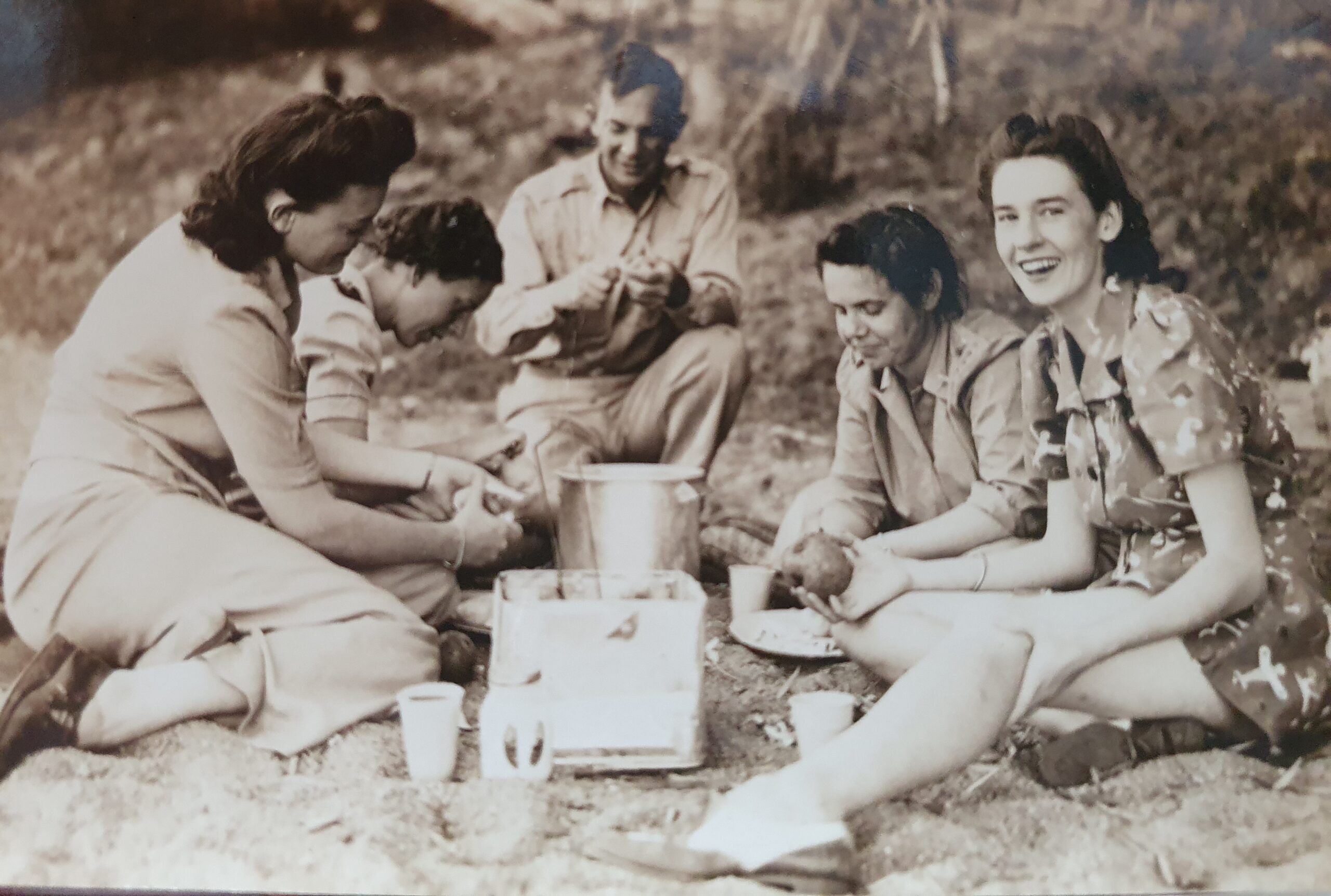
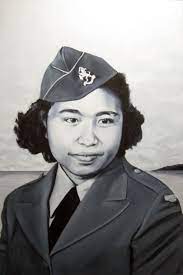
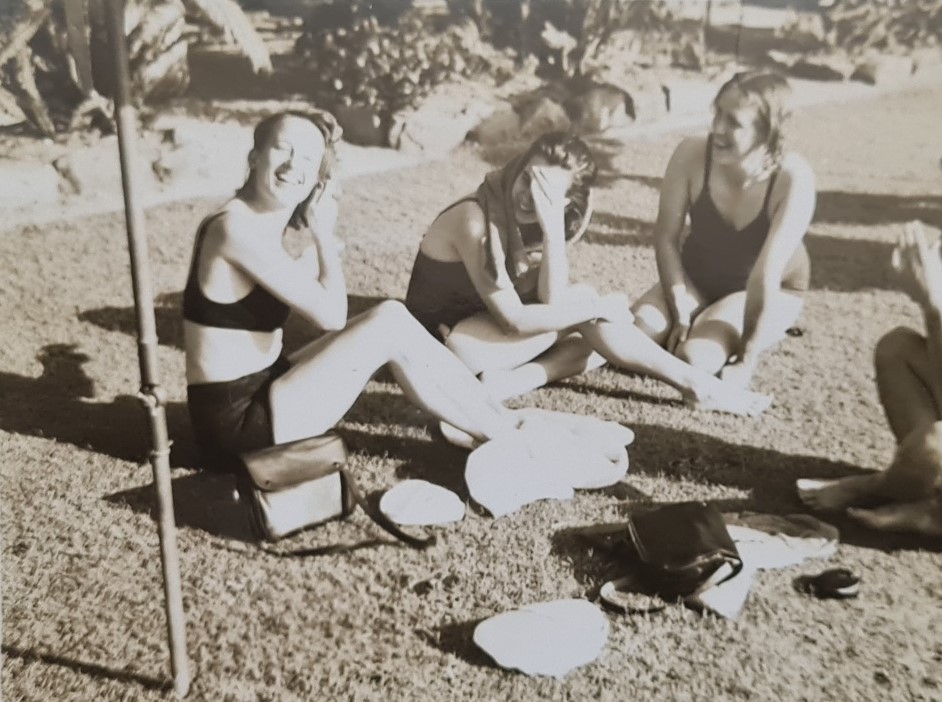
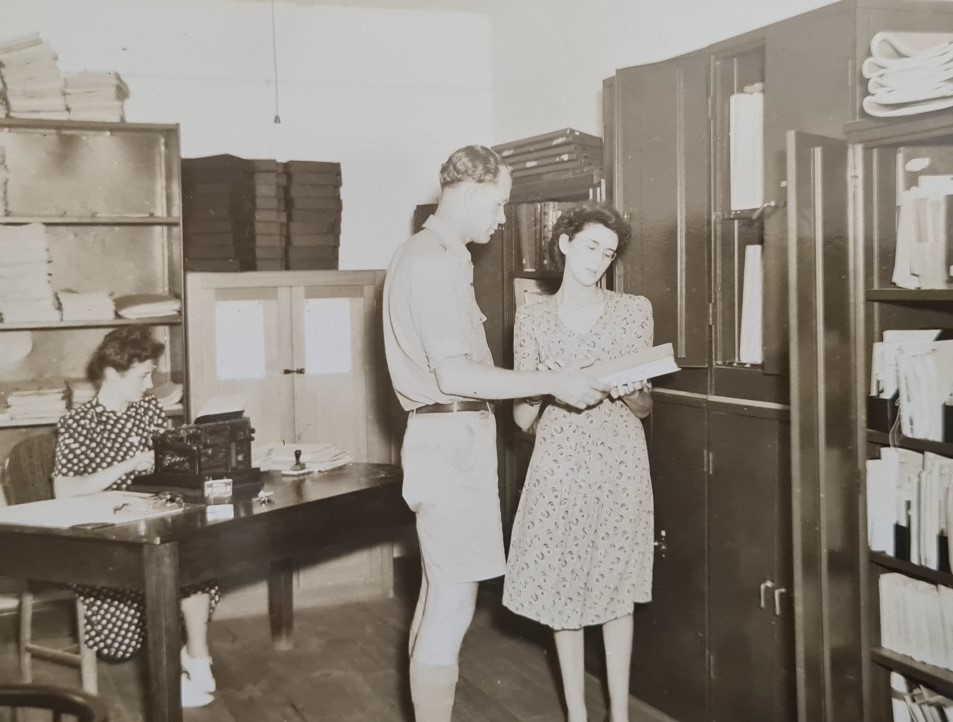
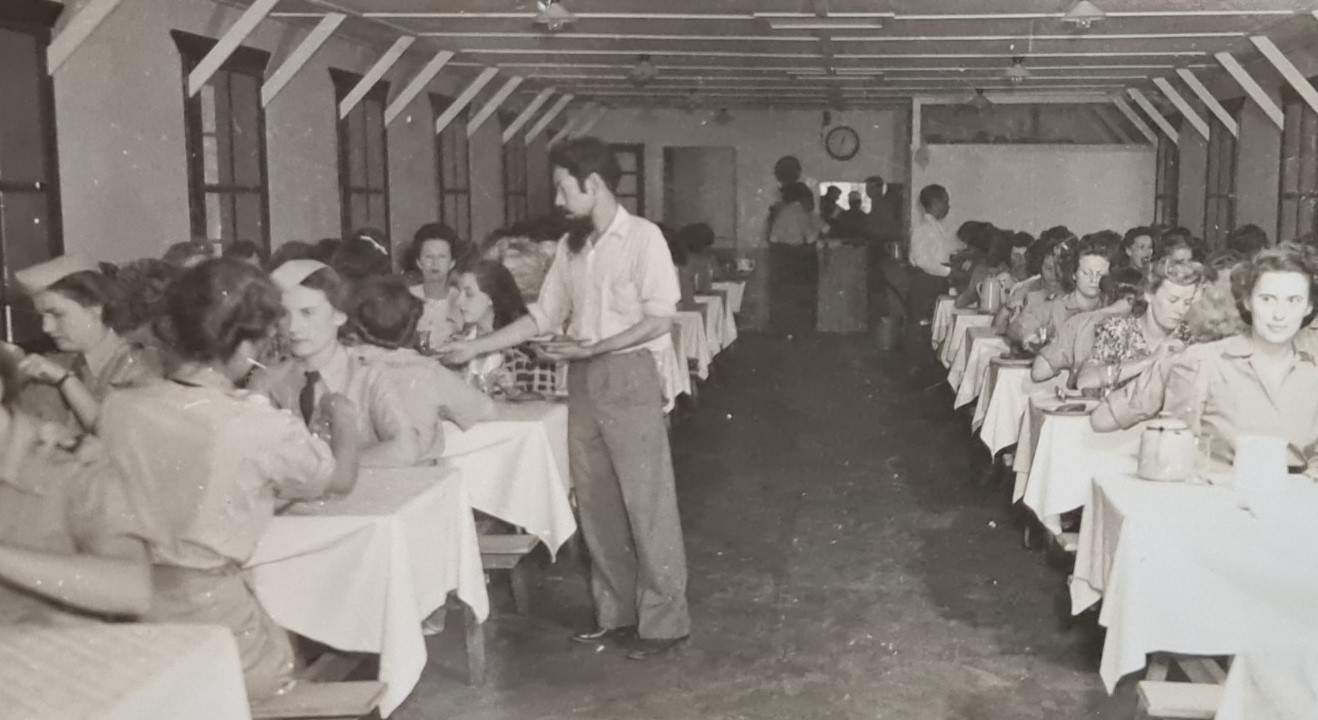
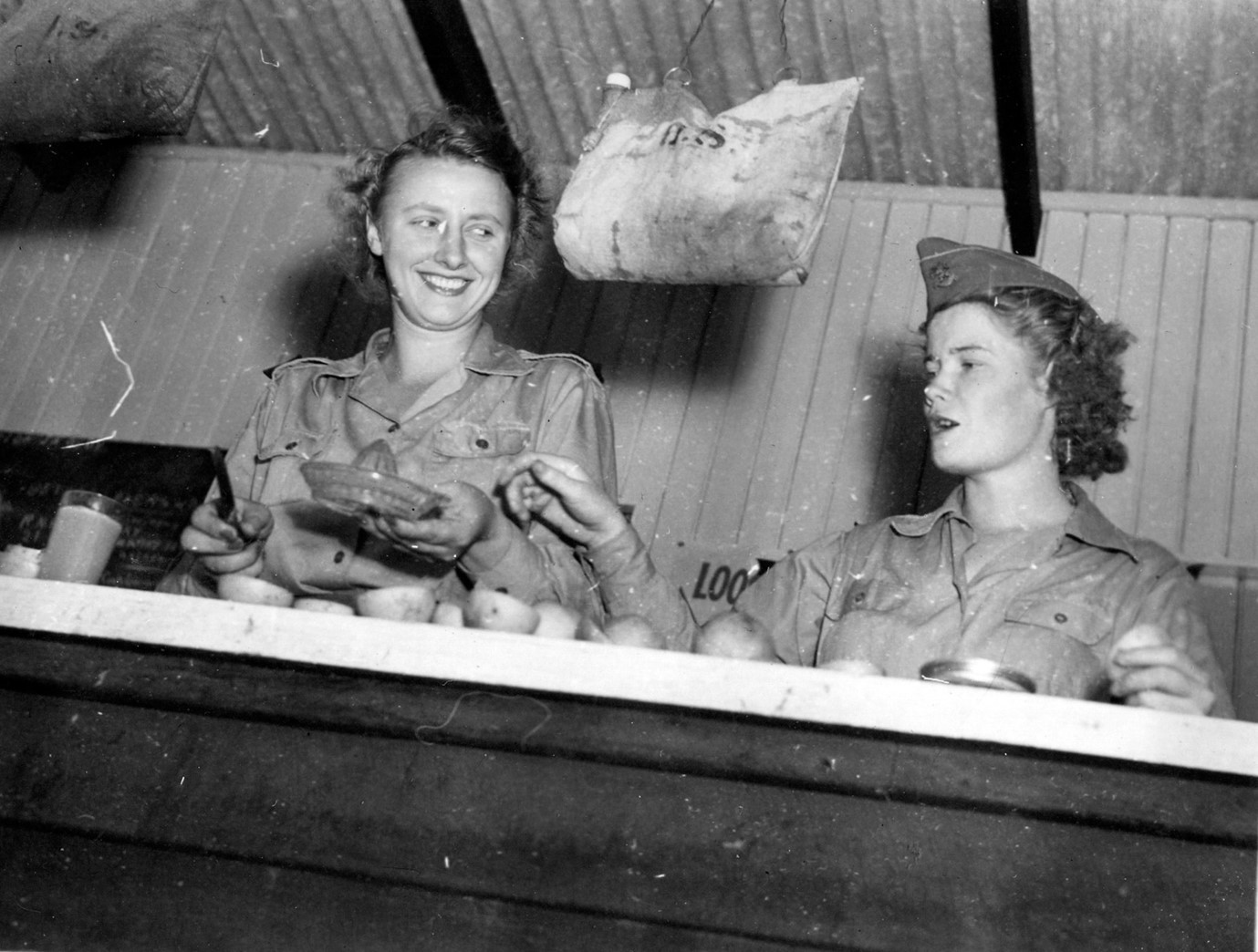
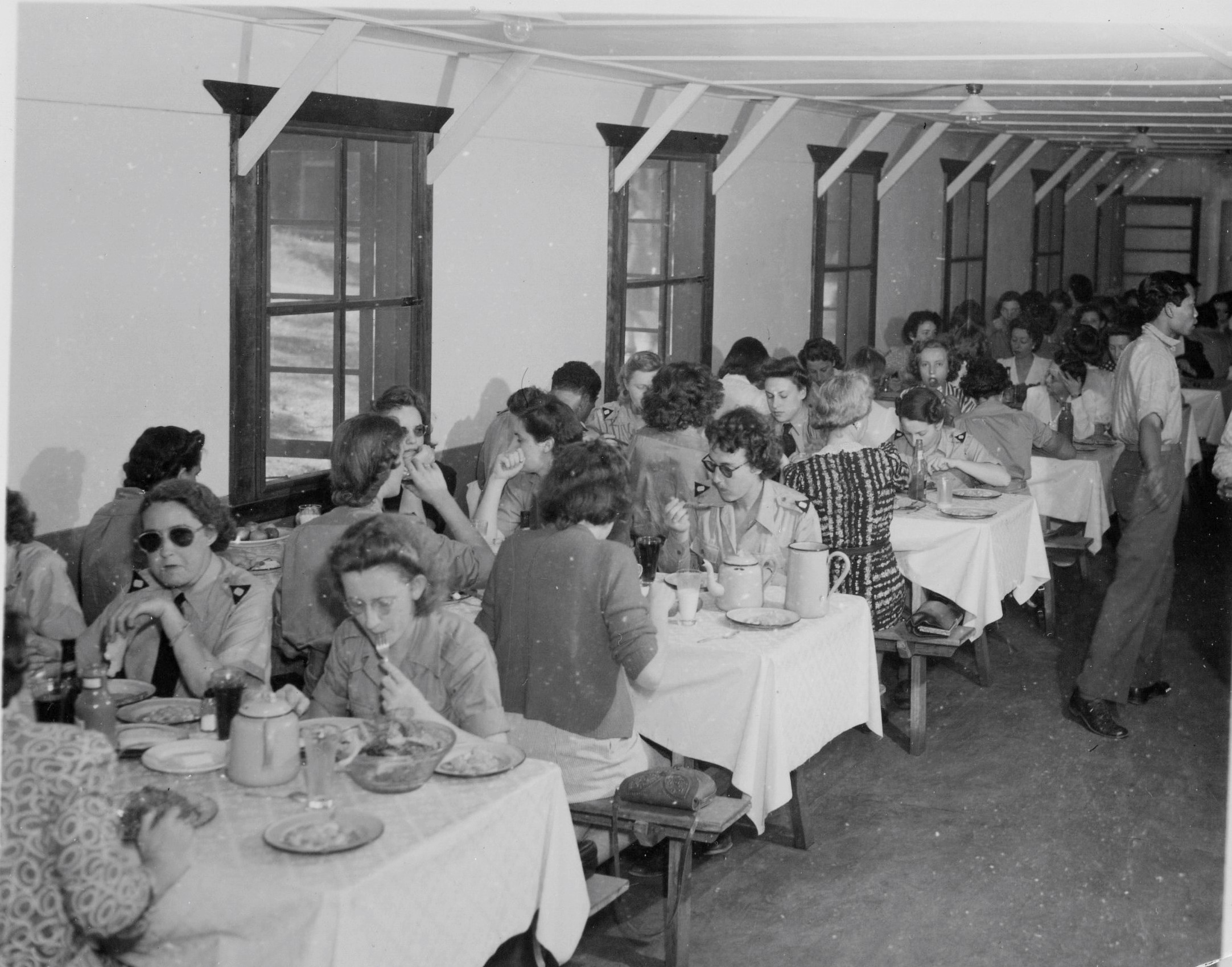
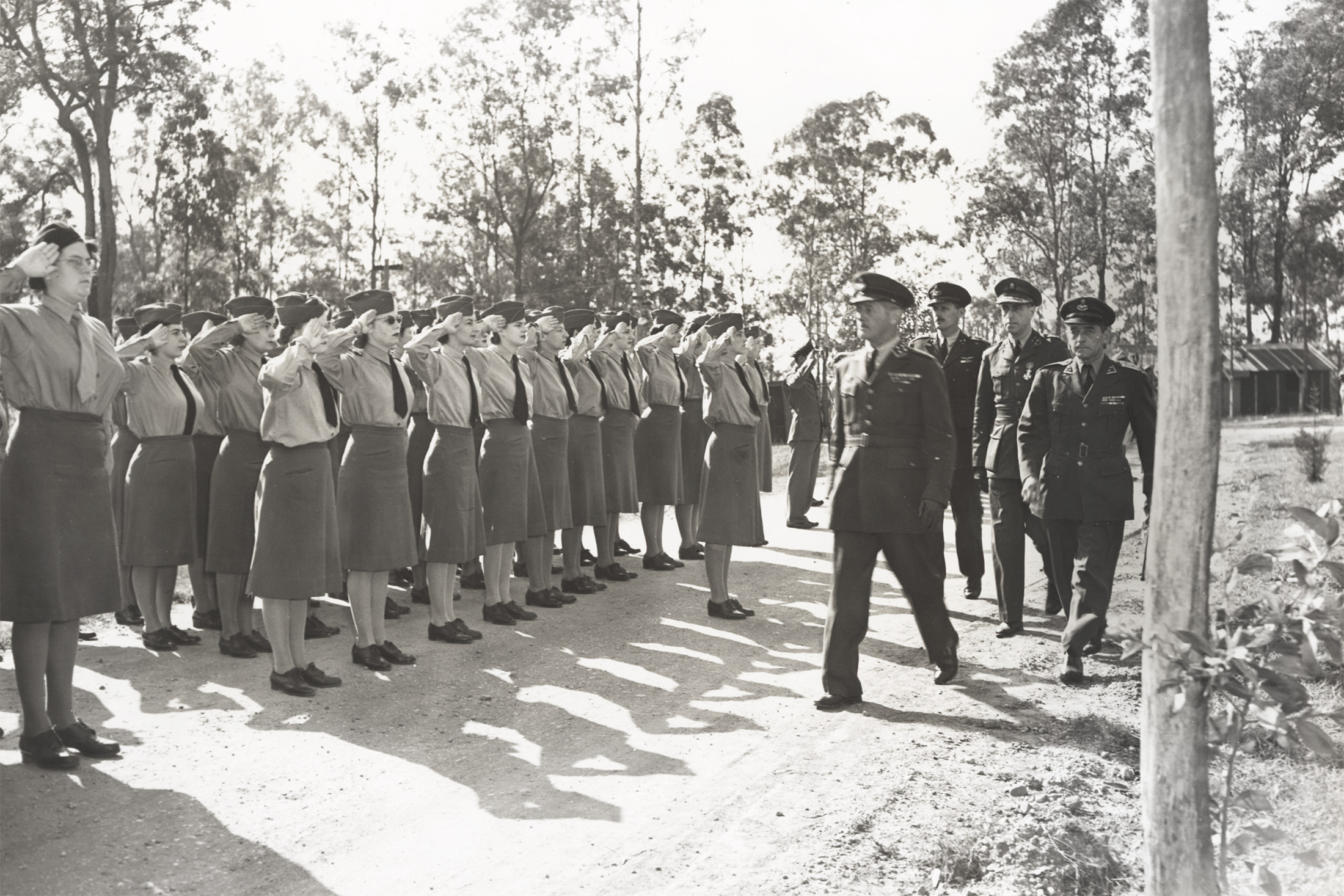
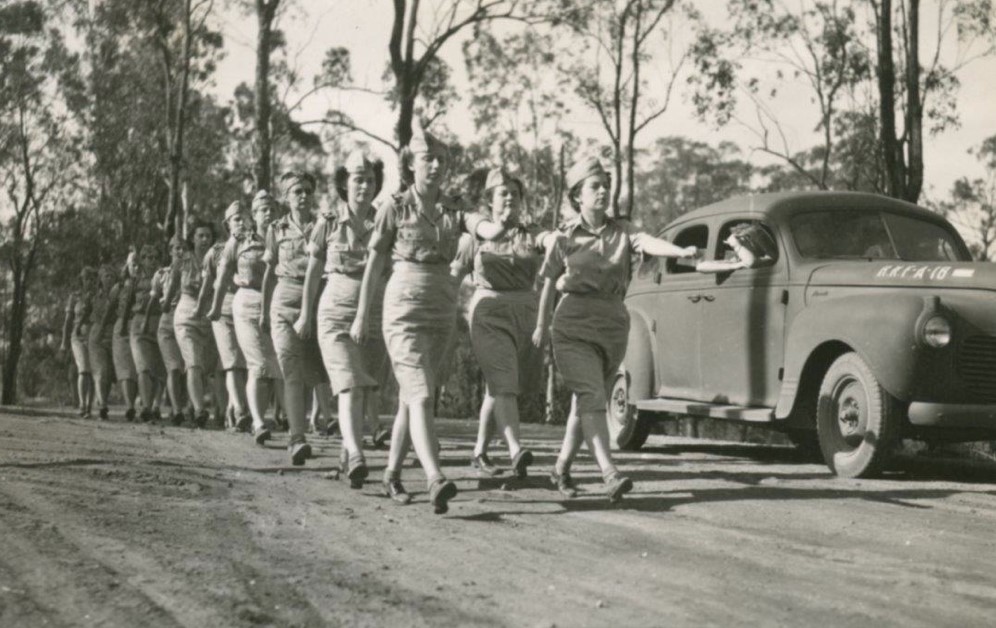
The photographs in this gallery have been brought together from several earlier Camp Columbia and DACC articles and collections. Known sources include the Joan McConachy collection, material supplied by Joan van Embden-Butler and her family, the Jean van Schilfgaarde–Jack Ford collection, the US National Archives the Ministry of Defence of the Netherlands and the State Library of Victoria. The original source or photographer has not yet been identified for every image. This information will be updated as further details become available.