
Long before suburban development reached Brisbane’s western outskirts, the railway line through Wacol played a crucial role in opening the district to agriculture, industry and later military activity. The railway from Brisbane to Ipswich was completed in the 1870s, with Wacol Station established in 1876 as a stopping place for settlers and local farming communities. Over time the line became one of Queensland’s most important transport corridors, linking Brisbane with Ipswich, Toowoomba and the inland regions.
During the Second World War, this railway infrastructure became strategically vital. One of the key reasons the American Army selected the Wacol area for the establishment of Camp Columbia in 1942 was its direct proximity to Wacol railway station and the adjacent sidings. The station provided immediate access to Queensland’s rail network, enabling the rapid movement of troops, military supplies, fuel, ammunition and equipment between Brisbane, the inland training areas and northern Australia.
Camp Columbia rapidly grew into one of the largest Allied military complexes in Australia. At its height it housed thousands of American troops and later became headquarters for the Netherlands East Indies (NEI) Government-in-Exile and Dutch military operations in Australia. None of this would have been practical without efficient transport links, and the railway became the camp’s logistical backbone.
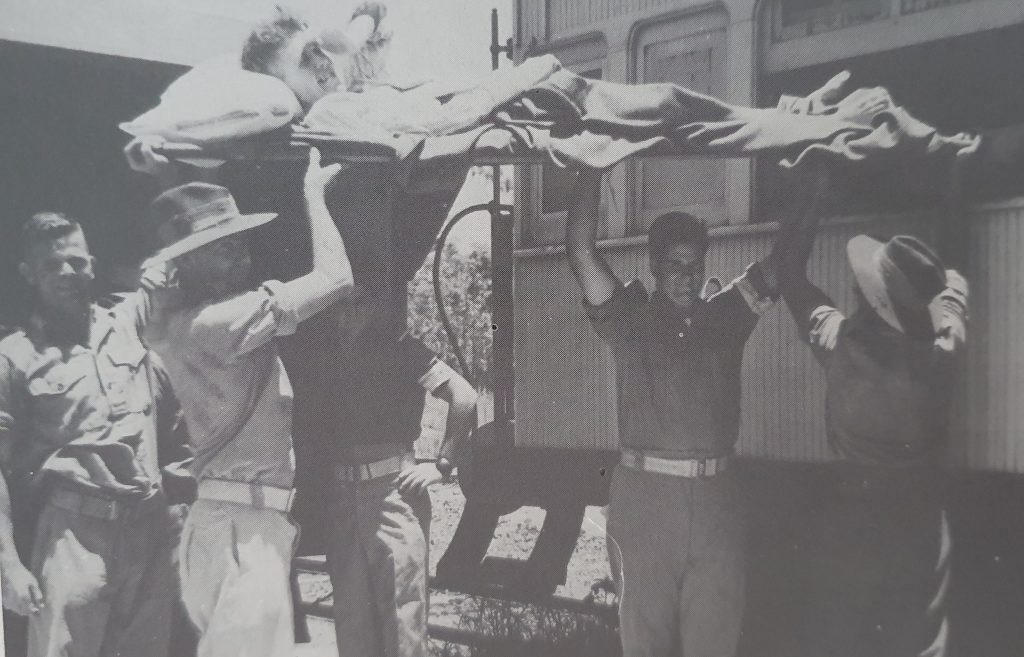
The railway sidings at Wacol were heavily used throughout the war. Trains regularly delivered building materials, food supplies, engineering equipment and military stores directly into the camp area. The railway also played a role in transporting sick and wounded servicemen. Queensland ambulance trains moved large numbers of casualties during the war years, linking military hospitals and camps across the state.
The military importance of the railway influenced the physical layout of Camp Columbia itself. Warehouses, engineering depots, vehicle storage areas and supply installations were positioned close to the rail infrastructure. The nearby road network, including Progress Road and the Ipswich Road corridor, complemented the railway system, but rail remained the most efficient method for moving large quantities of wartime supplies.
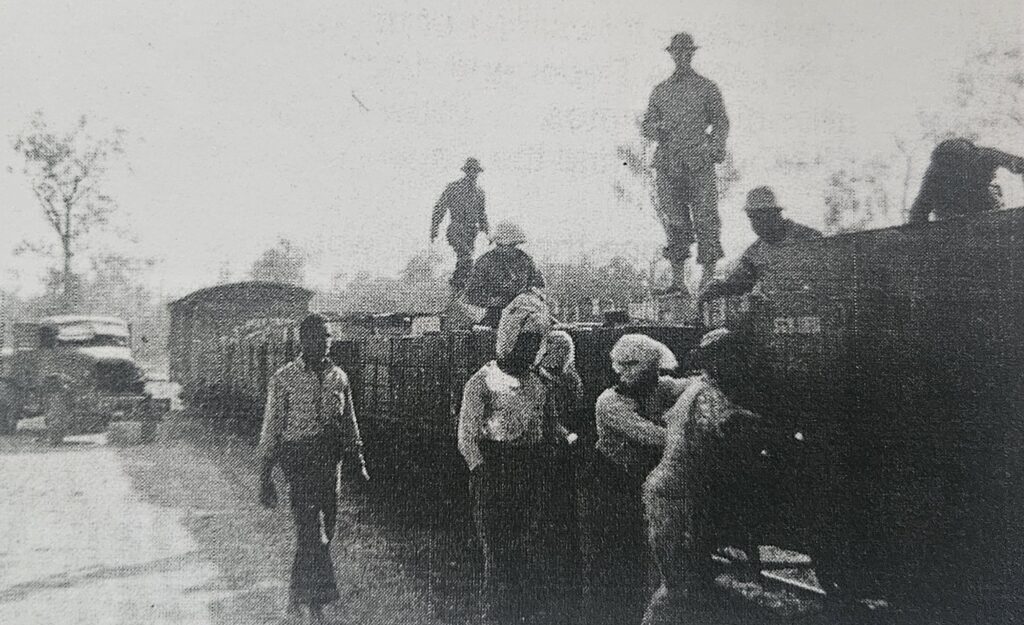
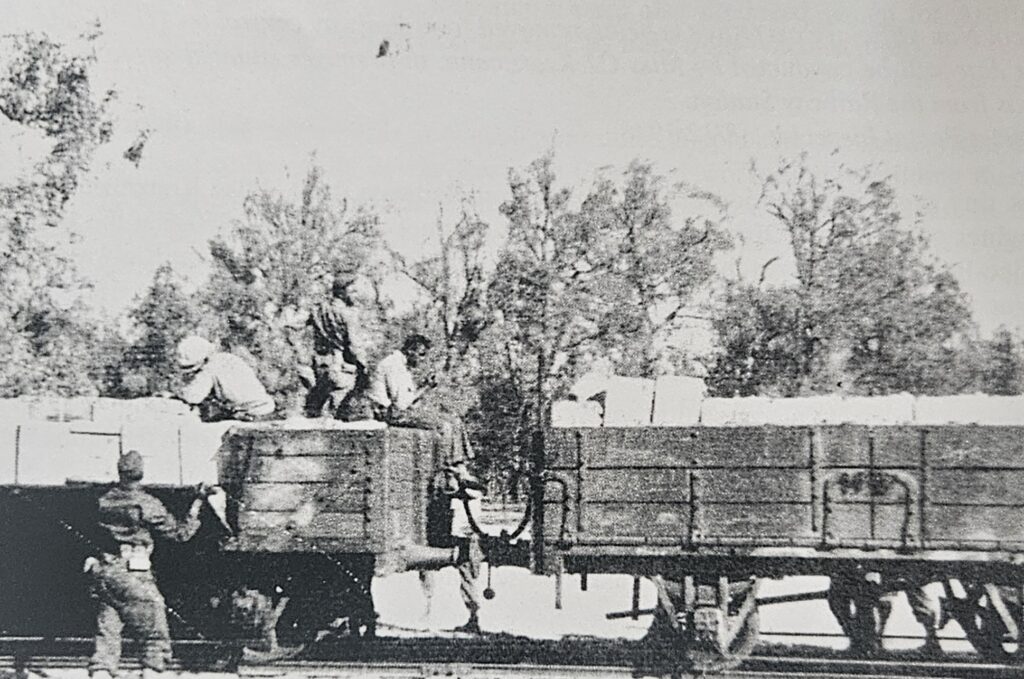
The railway also connected Camp Columbia to other major wartime facilities across Brisbane. Troops arriving by ship in the city could be transported westward by rail to Wacol. From there personnel were dispersed to training camps, hospitals, operational headquarters and staging points for deployment into the Pacific theatre. Dutch military personnel and administrative staff associated with the NEI Government-in-Exile likewise relied heavily on the railway connection between Brisbane and Wacol.
After the war the railway again shaped the future of the area. The former military camp evolved into the Wacol East Displaced Persons Holding Camp and later the Wacol Migrant Centre, which became Queensland’s largest migrant reception centre during the postwar migration boom. Thousands of European migrants arriving in Brisbane passed through Wacol, many travelling via the same railway corridor that had earlier served the Allied war effort.
Today little remains of the wartime sidings and military rail activity, but the railway line still runs through Wacol as an enduring reminder of the strategic importance of transport infrastructure during World War II. The existence of Wacol Station was not incidental to the creation of Camp Columbia — it was one of the decisive factors that transformed a semi-rural district on Brisbane’s outskirts into a major Allied wartime hub.
The area where the last visible remains of Camp Columbia survive today is now known as Pooh Corner Bushland Reserve. The unusual nickname — originally “Poo Corner” — dates back to the period before Brisbane was fully sewered, when a night-soil dump operated nearby. According to local recollections, passengers travelling on the Ipswich railway line would warn each other: “Shut the windows, we’re coming up to Poo Corner.” Over time the nickname remained attached to the area and eventually evolved into the softer modern spelling “Pooh Corner.” The name has become part of the local folklore surrounding both the railway line and the wartime Camp Columbia precinct.