
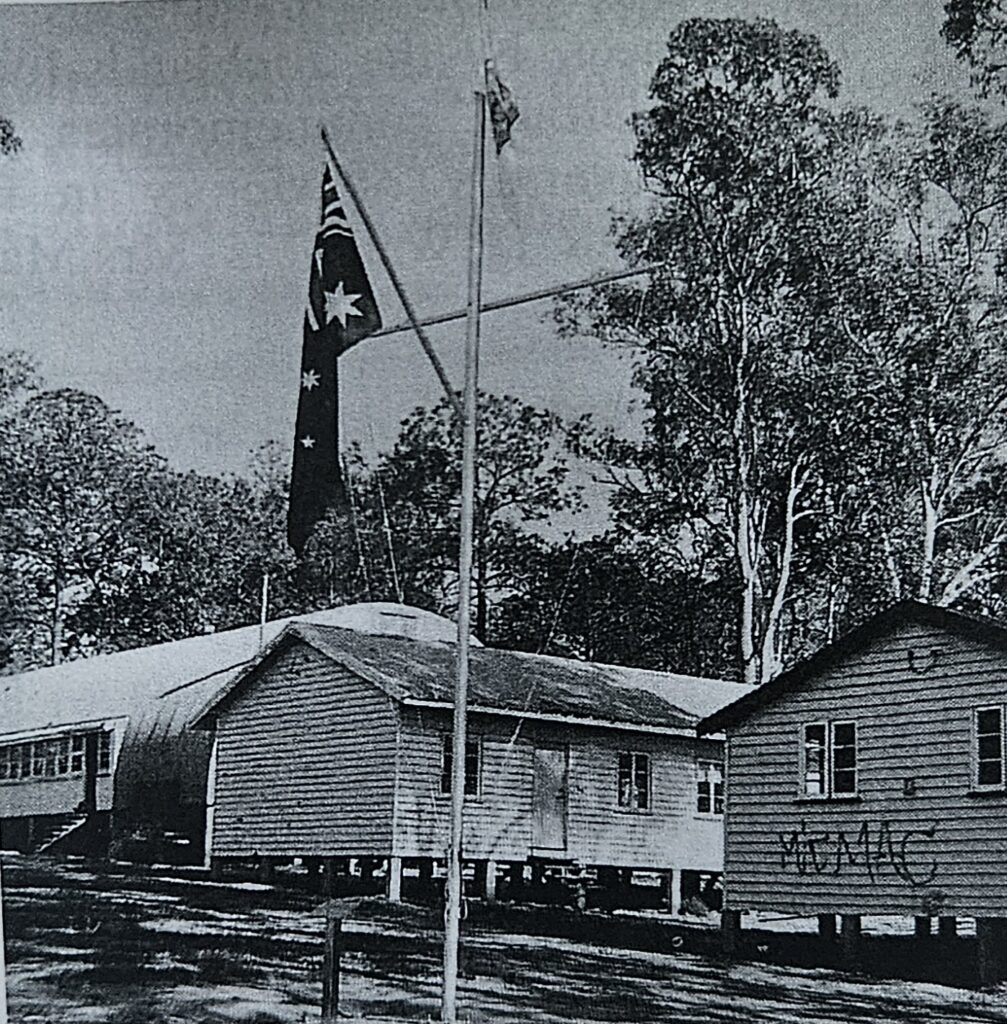
In 2001, when the Department of Defence proposed disposing of the Wacol barracks, Allom Lovell Pty Ltd, Brisbane architects, completed a heritage assessment of the site and concluded:
“…The retention of perhaps a sample of typical buildings may be appropriate to recognise the history of this place but any listing of the site in whole or part is not warranted….”
“…Should the AHC (Australian Heritage Commission) consider that the place warrants listing in the Register of the National Estate arguments may be mounted to achieve a result that, in conserving a limited portion of the site, both retention of the cultural significance and development potential of this place are achieved….”
In 2005, developer Metroplex Management Pty Ltd purchased the Sanananda Barracks site (approx. 1 sq km) from the Federal Government for $48 million. Included in the sale was an agreement to allow 1.5ha for a National Service Heritage Precinct, which opened in Boundary Road, Wacol in 2005.
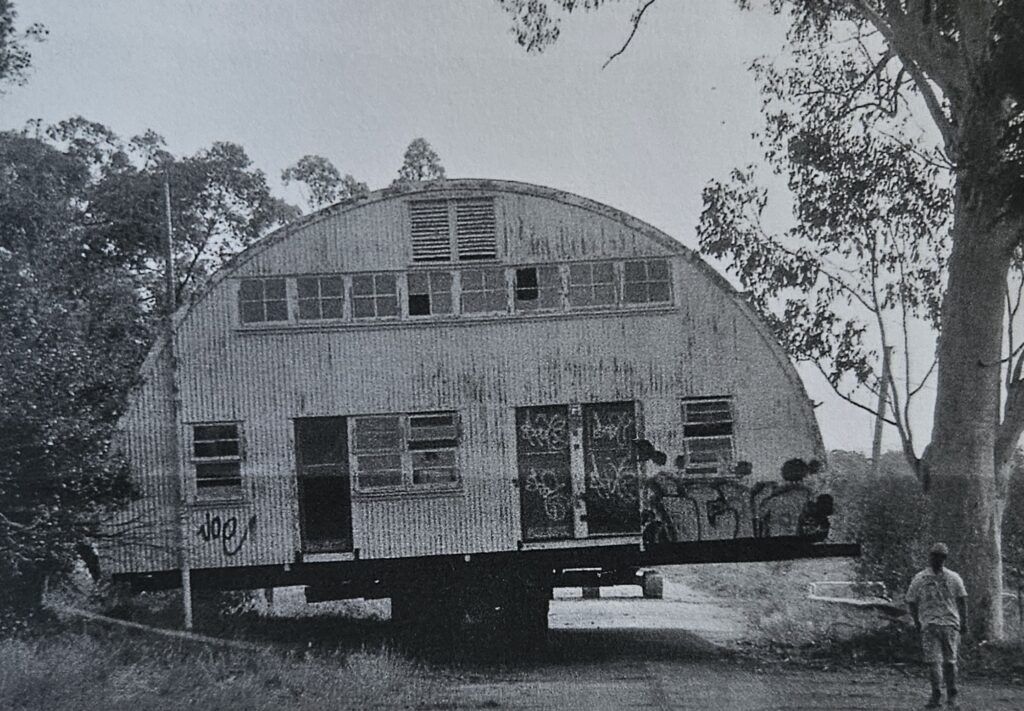
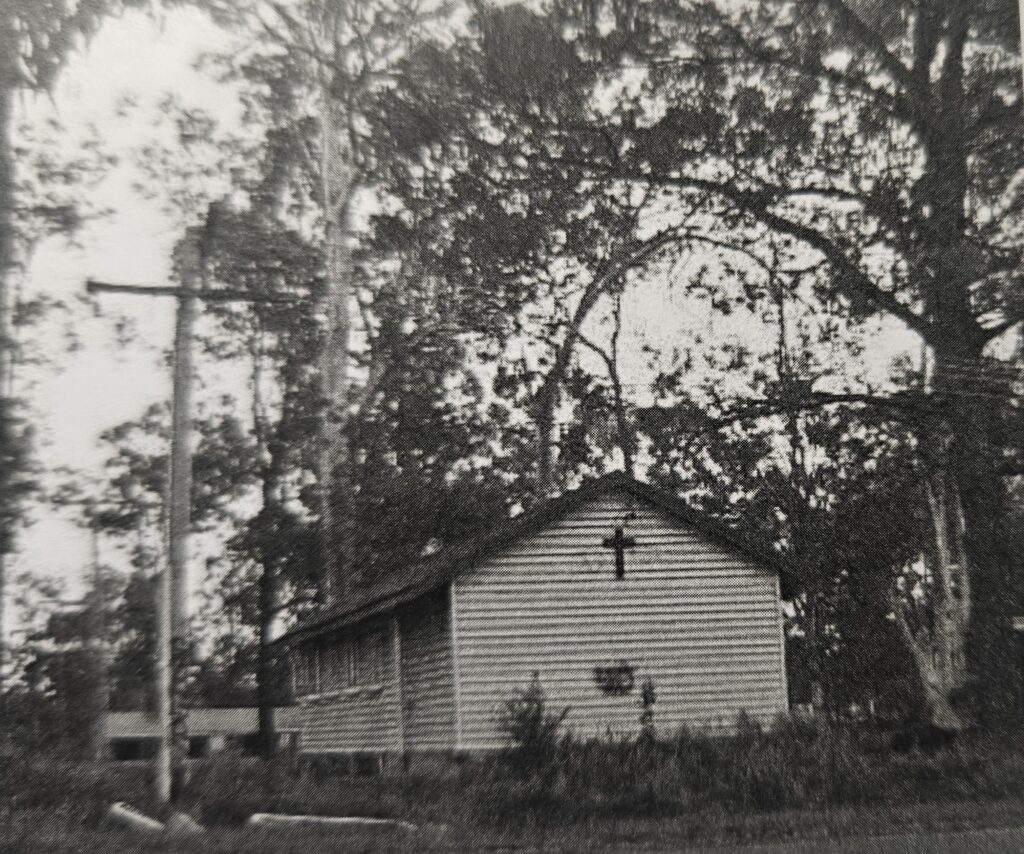
The Precinct included the Chapel and nearby parade ground, plus the Everyman’s “igloo” Hut and three buildings from other sections of the Wacol Camp.
A dedicated band of volunteers has spear-headed a drive to develop the site and create a precinct that is a fitting tribute to the National Servicemen who trained at Wacol – and to servicemen and women across the nation.
The Chapel was refurbished and opened in February, 2006. The Wacol cadets (12 Cadet Unit) marched the colours into the chapel in the first church parade at Wacol in almost 50 years.
The Everyman’s hut was converted into a museum to represent the National Service experience across the Defence services and across the nation. The second stage of the Museum – featuring Vietnam – was opened in Oct 2007.
The New Guinea Volunteer Rifles and the Papua New Guinea Volunteer Rifles rent two buildings from the Nashos and have established a comprehensive Museum which opened in 2006 and which many groups visit each year.
In September 2014, the New Guinea Volunteer Rifles and the Papua New Guinea Volunteer Rifles dedicated a memorial plaque to the first Australian soldiers killed in action in World War I and to the entire crew of Australia’s first submarine AE1. (In September 1914, the soldiers died at Bita Paka near Rabaul and the AE1 was lost at sea off Rabaul).
The future of the precinct?
Inevitably, in 2014 the Precinct was facing funding problems as the demands for maintenance of the buildings and the development of the museum intensified. The Metroplex agreement with NSAA has seen several changes – and the Precinct area has shrunk from 1.5 ha to less than 1 ha. However, interim payments have been made into NSAA coffers and only a few details remain to be finalised before plans can be actioned.
But the Nashos themselves are aging and for years the succession of responsibility for the Precinct has been of concern. In 2014, Brisbane City Council has agreed to take over, but much discussion remains before an agreement is reached between the National Servicemen’s League and the Council.
It is expected that the transfer to Council will take place in 2015 and hopefully the Nashos Precinct will be able to continue to conserve and display some records and memories of the Wacol Army Camp.
This information is from the book: Wacol, Wolston, Woogaroo 1823-2014. Volume 1. By Vicki Mynott. Richland, Inala and Suburbs History Group. Published with permission from the author.
Addendum 2026
In discussion with Brisbane City Council our understanding is that NASHO has vacated the site. The precent will return to Brisbane City Council and our understanding is that the Camp Columbia heritage building are safe.