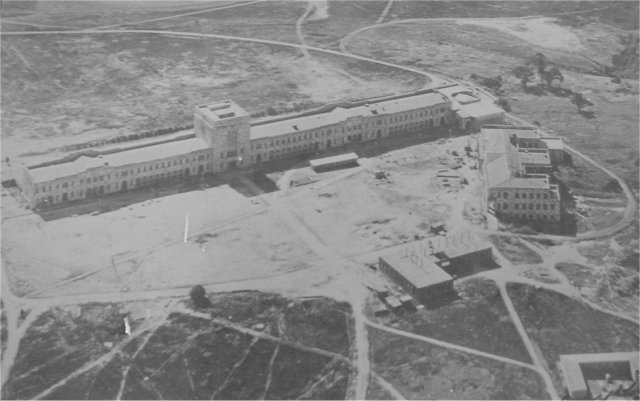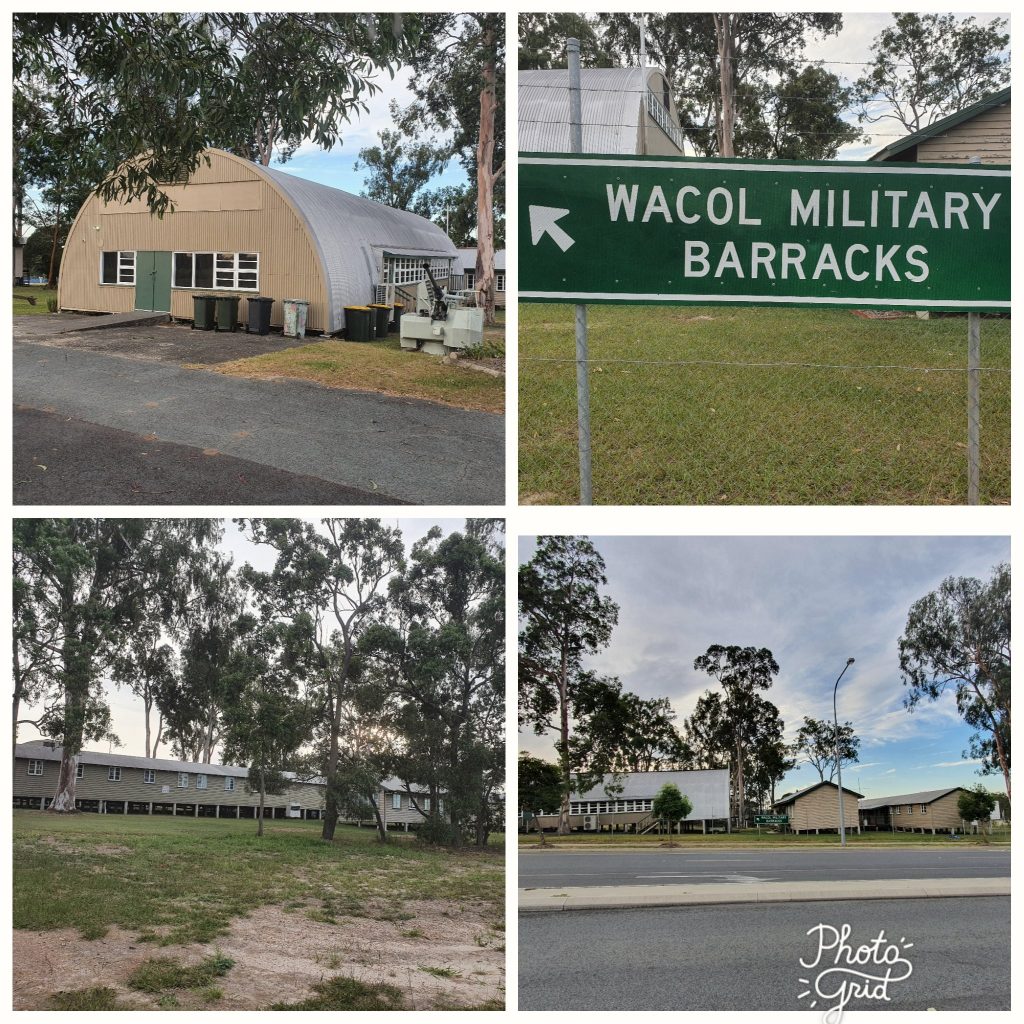
Historical snapshot: Wacol
Historical snapshot: Wacol Read More »
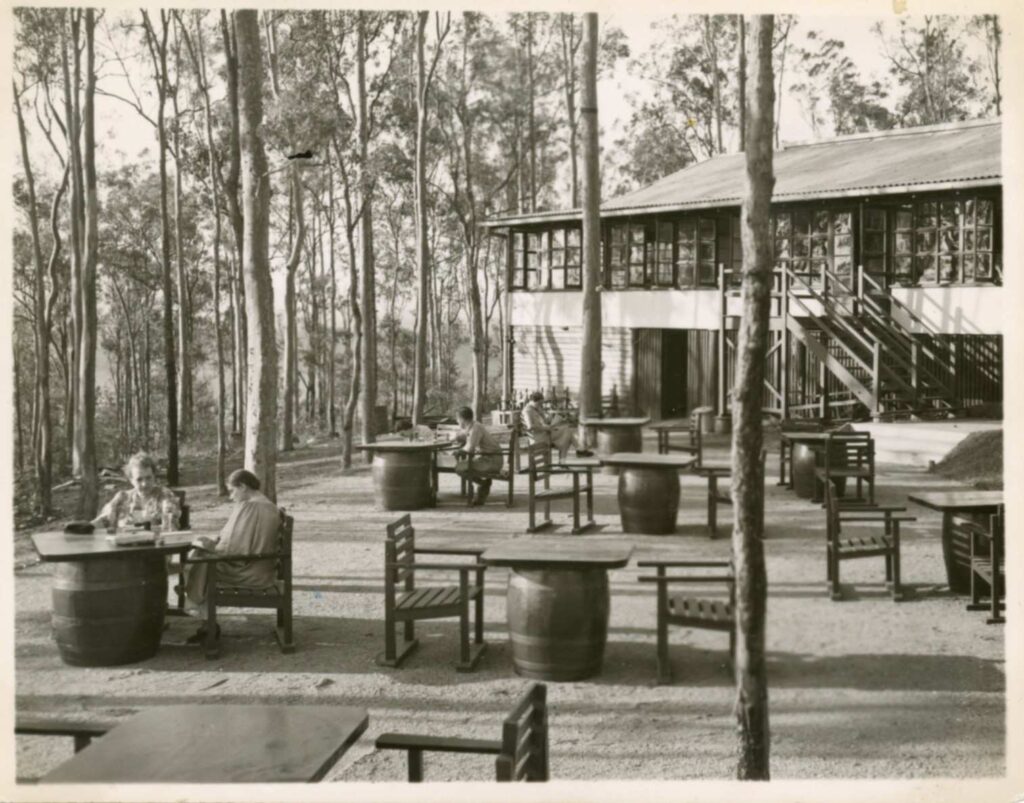
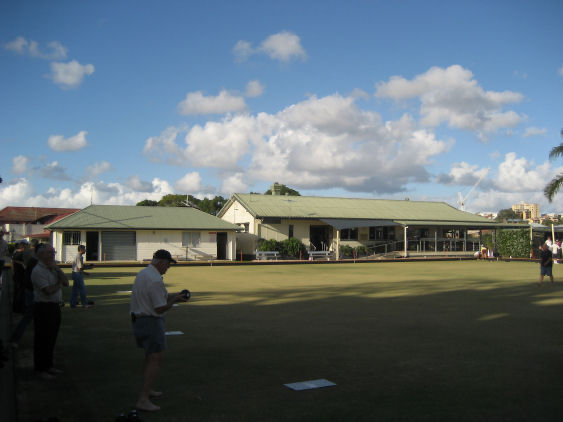
At its peak the US Navy had almost 6500 personnel stationed in Brisbane during 1944. Of these 685 were commissioned officers. Brisbane offered few entertainment venues for visiting or stationed officers, and a decision was made by the Commander Service Force, Seventh Fleet to construct an Officers Mess. Through the Australian Army Hiring Service, the
Camp Columbia Army Huts ended up at Merthyr Bowls Club, at New Farm Read More »
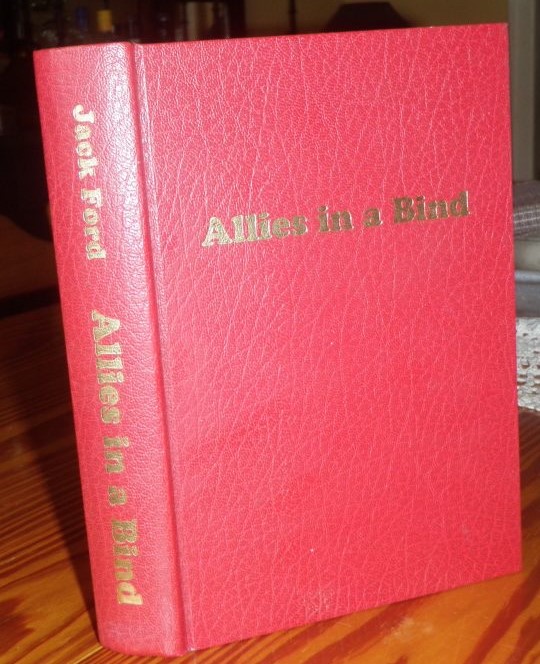
Even in Brisbane, the global importance of the city’s role during World War II is largely unknown. While many locals are aware of the large American presence, few know that the Dutch also operated from here during the Pacific War. Even fewer in the Netherlands would be aware of the role their country played in
Forgotten allies: how Brisbane’s WWII history has faded from Dutch memory Read More »
My family moved into a Housing Commission house in the new Inala in the early 1950s. We boys soon found that there was lots of small arms ammo round the area, remnants of the US Ammunition Dump. Finding it and extracting the cordite was a favourite pastime for the local boys, who spent hours combing
UXO (Unexploded Ordnance) Blast Witness-Inala 1954 Read More »
The Camp Columbia Heritage Association (CCHA) supports the Brisbane City Council’s initiative to extend its Streets of Remembrance project. As part of this program, selected new signage of existing streets across the city will have Australian Defence Force, or Australian Navy, or Australian Air Force logos added on to the Street sign to honour significant Veterans, places,
Brisbane City Streets of Remembrance – Community Input Invited Read More »
In Trent Dalton’s critically acclaimed novel Boy Swallows Universe, the reader briefly meets the Orlik family—refugees from war-torn Europe who found shelter at Camp Columbia. Though fictional, their story resonates deeply with the real experiences of thousands of families who passed through this significant site in Brisbane’s history. A place of transition and new beginnings
The Orliks of Boy Swallows Universe and the real migrant story of Camp Columbia Read More »
During the Second World War, Brisbane played a vital role in one of the most extraordinary technological achievements of the 20th century: secure global voice communication. At the heart of this breakthrough was a system known as SIGSALY—a top-secret project developed by the United States to ensure that conversations between Allied leaders could not be
SIGSALY: Brisbane’s role in top-secret wartime communications Read More »
In the darkest days of World War II, as Japanese forces swept through the Pacific, an unconventional group of Australians found themselves at the heart of a daring and vital operation. Known as Mission X, this little-known fleet of small, civilian vessels was assembled under the US Army Small Ships Section, playing a crucial role
Mission X: Australia’s Forgotten Fleet in the Pacific War – Exhibition at Bongaree Read More »
Peter Dunn came across this document from the ‘History of Base Section 3’. It provides interesting insights into the construction of Camp Columbia. Regarding ‘Base Section 3’, during World War II, the U.S. Army’s Services of Supply (USASOS) in the Southwest Pacific Area organised Australia into several base sections for administrative purposes. Base Section 3
Construction costs Camp Columbia £250,000 Read More »
This important part of local and Queensland history is now owned by the National Trust. On the river at Wacol, hay- way between Ipswich and Brisbane, it was established in 1852 by Dr Stephen Simpson, Commissioner of Crown Lands in the Moreton Bay colony. During WW 11, part of the property was taken to build
Wolston House – Wacol Read More »
This list is produced by Peter Rasey for the Australian American Ass. Qld. Division with the input and assistance of the late Sir Frank Moore AO, Don Cameron AM, and Rick Jefferies OAM. CCHA has been given permission to publish this on their website and invite people to provide correction, updates or additions. Peter Rasey
WWII Sites in Brisbane Read More »
The Centaur, 2/3rd Australian Hospital Ship, was a motor passenger ship converted in early 1943 for use as a hospital ship. In November 1941 it had rescued survivors of the German auxiliary cruiser Kormoran after it had sunk and been sunk by HMAS Sydney. On 12, May 1943 the Centaur sailed unescorted from Sydney at
Sinking of the Centaur Read More »
On December 22, 1947, Brisbane honored fallen American servicemen with a solemn ceremony. A coffin representing an unknown American soldier was paraded on a gun carriage through King George Square, halting in front of City Hall. Dignitaries, including officers from the Australian Commonwealth Government, Brisbane City Council, various patriotic organisations, and the American Consul, laid
Solemn ceremony to farewell fallen American soldiers Read More »
Brisbane played a pivotal role as a strategic hub for Allied communication networks during World War II, hosting critical radio transmitting and receiving stations that facilitated the exchange of intelligence, operational orders, and coordination across the Pacific theatre. Managed by the United States Army Signal Corps, these facilities were complemented by independent networks operated by
Radio Communication in Brisbane During World War II Read More »
Brisbane’s significance as a naval port was exemplified by its shipbuilding capacity and the deployment of vessels that shaped the war’s outcome. Evans Deakin & Co Ltd, located in the city, was a prominent shipyard that built numerous vessels for the Royal Australian Navy (RAN), including the Bathurst-class corvettes. These versatile ships, designed for minesweeping,
Brisbane’s role in Allied naval efforts. Read More »
Richard Casey, born in Brisbane in 1890, was a prominent Australian statesman and diplomat. During the early years of World War II, he served as Australia’s first Ambassador to the United States from 1940 to 1942. During his tenure, Casey played a pivotal role in strengthening the Australia–United States alliance. His efforts were instrumental in
Richard Casey instrumental in selecting Brisbane as a key WWII base. Read More »
With several military hospitals in and around Camp Columbia looking after people wounded in the Pacific War Theatre, obviously a large number died. These soldiers were buried at the USAF Military Cemetery in Ipswich. In all 1206 of them were buried here. In 1947 the bodies were exhumed and brought to the USA. Most burials
USAF Military Cemetery – Ipswich -Wreath laying for Dutch Javanese Soldiers Read More »
An estimated 300 US soldiers returned to their sweethearts in Australia. 10-12,000 Australian girls married Americans and emigrated to the US – 7000 of them from Queensland. In the USA, the number of war brides was enormous: “During World War II, an estimated one million American soldiers married women from over fifty different countries. In
To meet the perceived threat from Japan, the Brisbane City Council began construction of at least 200 surface shelters. These concrete and sandbagged boxes changed the face of the city. Office buildings had taped windows and sandbagged entrances, water mains filled with salty bay water for fighting fires ran from North Quay along Ann and
Brisbane City Council in WWII Read More »
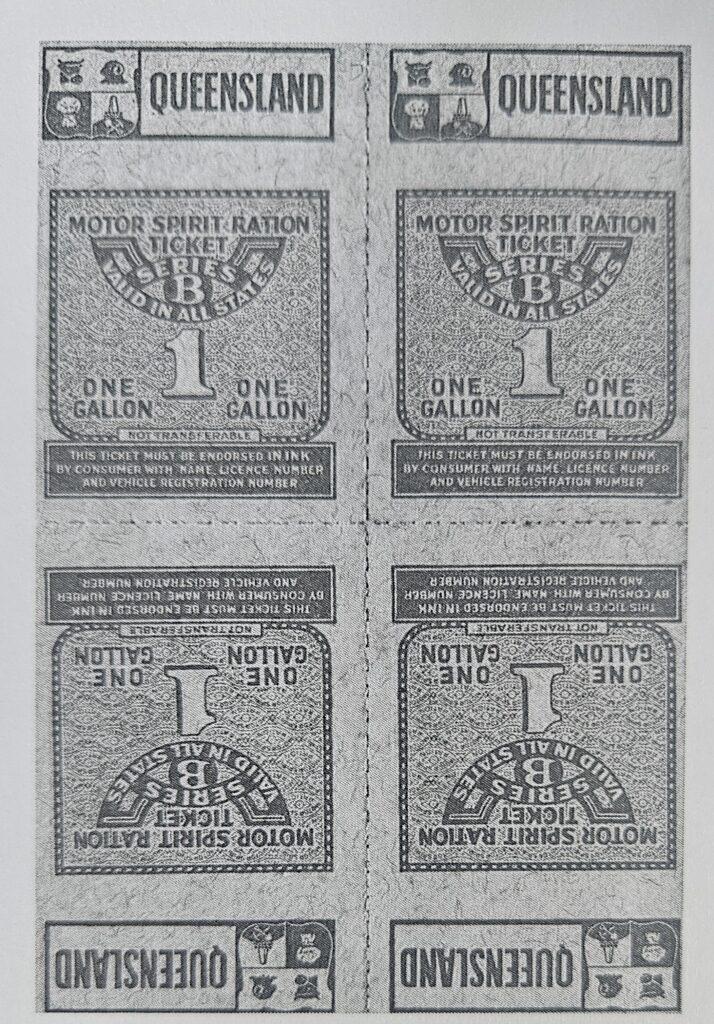
During the war, Gailes, like all other clubs, had its difficulties. Machinery failures caused the closure of the second nine for months and clubhouse supplies were so scarce that the club introduced its own ration tickets The course was far from congested but there was activity around the clubhouse. The American Army established its officer
Gailes Golf Club opened its doors for the soldiers Read More »