News

UQ and Camp Columbia: Building a long-term partnership for Brisbane’s WWII heritage

The Camp Columbia Heritage Association (CCHA) is taking an important step towards the long-term preservation and interpretation of Brisbane’s World War II history through the development of a partnership with the University of Queensland (UQ). The collaboration reflects growing recognition that Brisbane’s wartime role extended far beyond individual sites and memorials. During WWII the city […]

UQ and Camp Columbia: Building a long-term partnership for Brisbane’s WWII heritage Read More »

Video interview update on Camp Columbia – moving from ideas to partnerships

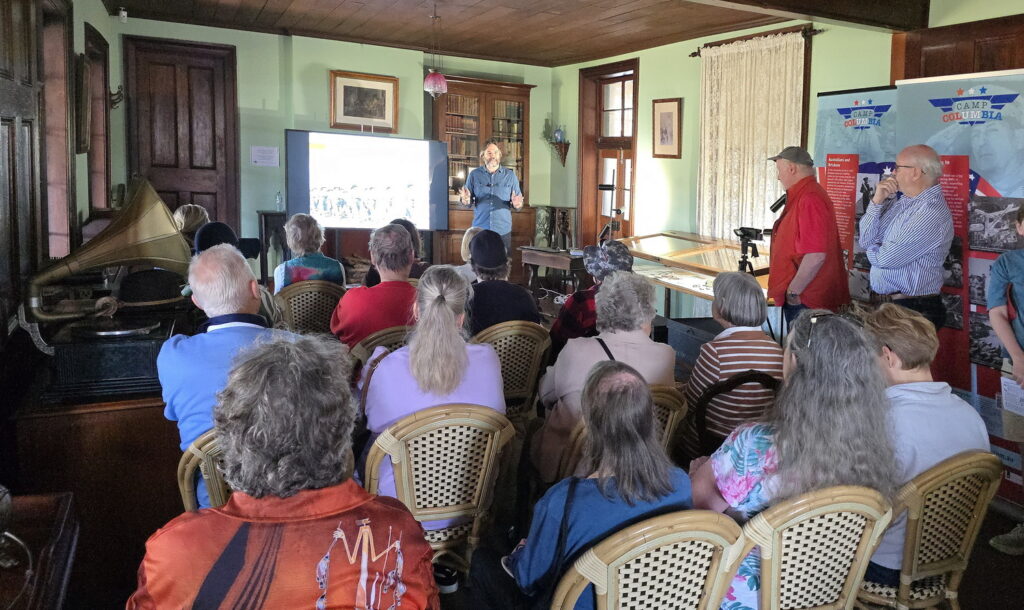
In this interview, from May 2026, with Peter Rasey from Brisbane WWII Story, the discussion with Paul Budde chair of the Camp Columbia Heritage Association follows on from the international symposium that was held in August 2025 and focuses on the momentum that has developed around the Camp Columbia Heritage Association and its longer-term vision

Video interview update on Camp Columbia – moving from ideas to partnerships Read More »

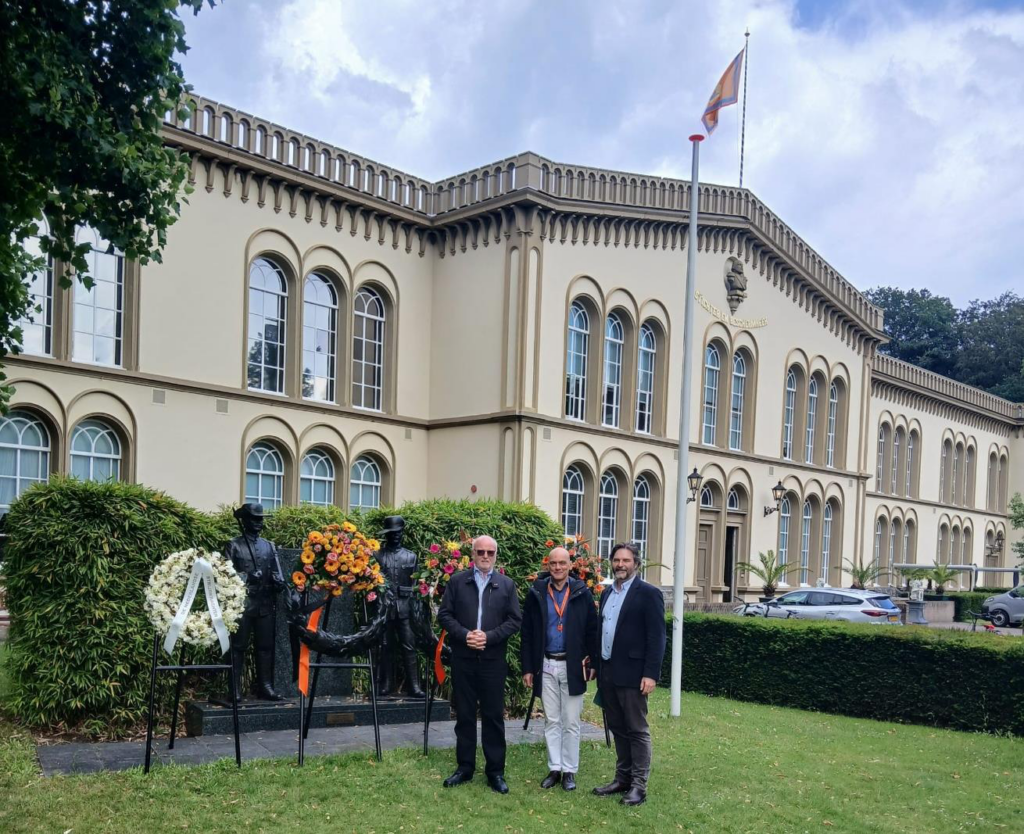
Camp Columbia and the Netherlands: strengthening a shared wartime heritage

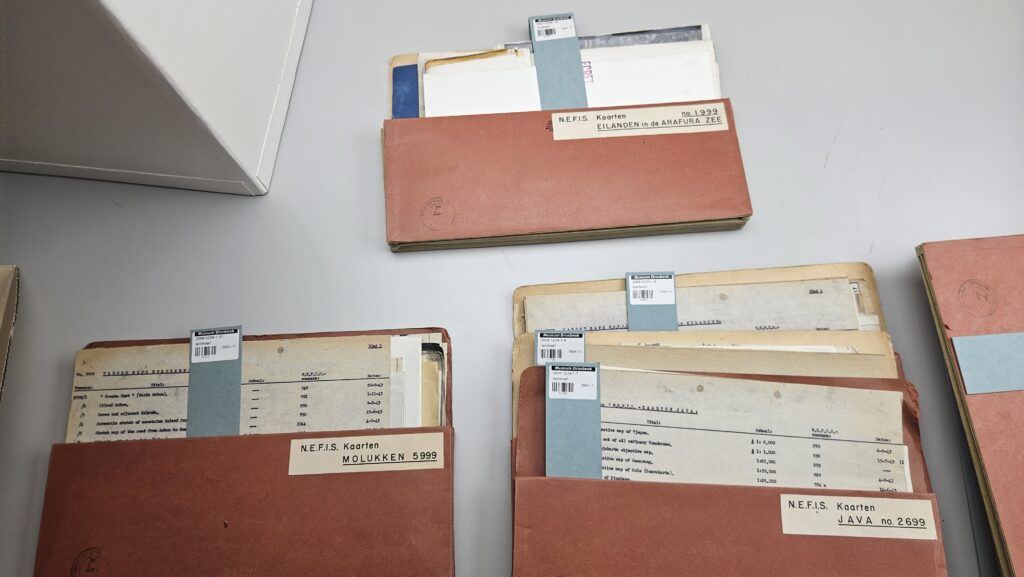
The Camp Columbia Heritage Association (CCHA) and the University of Queensland will participate in a special visitors programme in the Netherlands in June 2026, organised by the Cultural Heritage Agency of the Netherlands (RCE/CHA). The programme aims to strengthen international cooperation surrounding the heritage significance of Camp Columbia at Wacol, Brisbane, one of the most

Camp Columbia and the Netherlands: strengthening a shared wartime heritage Read More »

Camp Columbia, Wacol and the international wartime aviation career of Willy Erkelens

The military service records of Willy Erkelens provide a remarkable insight into the international wartime and postwar networks connected to Camp Columbia and the wider Wacol military area in Brisbane. His career linked the Netherlands East Indies (NEI), Australia, the United States, New Guinea and postwar Indonesia through Allied military aviation during and after the

Camp Columbia, Wacol and the international wartime aviation career of Willy Erkelens Read More »

From Camp Columbia to correctional precinct: The transformation of Wacol

The landscape of Wacol offers a striking example of how wartime infrastructure can shape long-term urban and institutional development. Parts of the former Camp Columbia (CC), established during World War II as a major Allied military facility, were later incorporated into what has become Queensland’s largest correctional precinct. From military camp to government reserve Following

From Camp Columbia to correctional precinct: The transformation of Wacol Read More »

Wolston House and Camp Columbia: shared heritage in Brisbane’s wartime landscape

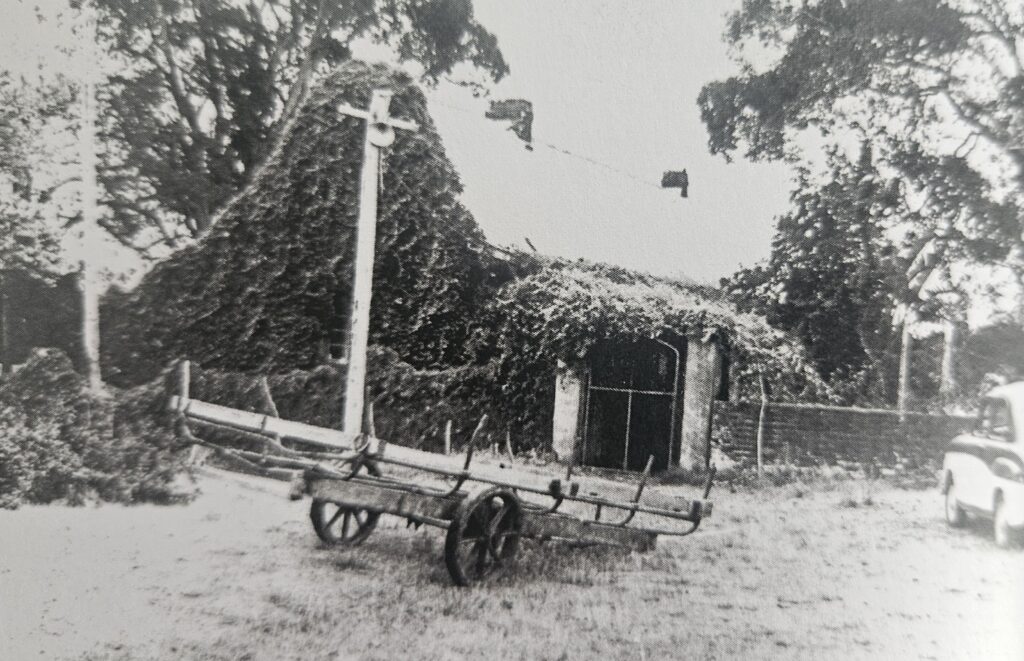
Wolston House at Wacol is one of Brisbane’s oldest surviving colonial homesteads and occupies an important place in both Queensland history and Brisbane’s World War II heritage landscape. Built in 1852, the house long predates the military transformation of the surrounding area during World War II, yet its wartime experiences directly connected it to Camp

Wolston House and Camp Columbia: shared heritage in Brisbane’s wartime landscape Read More »

Archerfield Memories

This document provides a first-hand civilian account of Brisbane’s wartime aviation environment during the Second World War and the immediate post-war years, as experienced at Archerfield Aerodrome. It reflects the strongly international character of Brisbane at the time, shaped by the presence of American, Australian, Dutch, and Netherlands East Indies personnel operating within a shared

Archerfield Memories Read More »

Camp Columbia hosted refugees from the Japanese camps.

Following the Japanese invasion and occupation of the Dutch East Indies (now Indonesia) during World War II, many Dutch men, women, and children were interned in civilian and military prisoner-of-war camps. Conditions in these camps were often severe, marked by overcrowding, chronic food shortages, forced labour, and a near-total absence of medical supplies. Malnutrition and

Camp Columbia hosted refugees from the Japanese camps. Read More »

Camp Columbia and the Indonesian Independence story: Mohamad Bondan in wartime Australia

Indonesian political prisoners and wartime exile The story of Indonesian nationalist Mohamad Bondan offers a compelling insight into the complex political landscape that unfolded in Australia during the Second World War. His wartime journey reflects a wider and largely overlooked chapter of shared heritage linking Indonesia, the Netherlands and Australia. Bondan belonged to a generation

Camp Columbia and the Indonesian Independence story: Mohamad Bondan in wartime Australia Read More »

Feeding, equipping and sustaining Camp Columbia: Quartermaster and service units

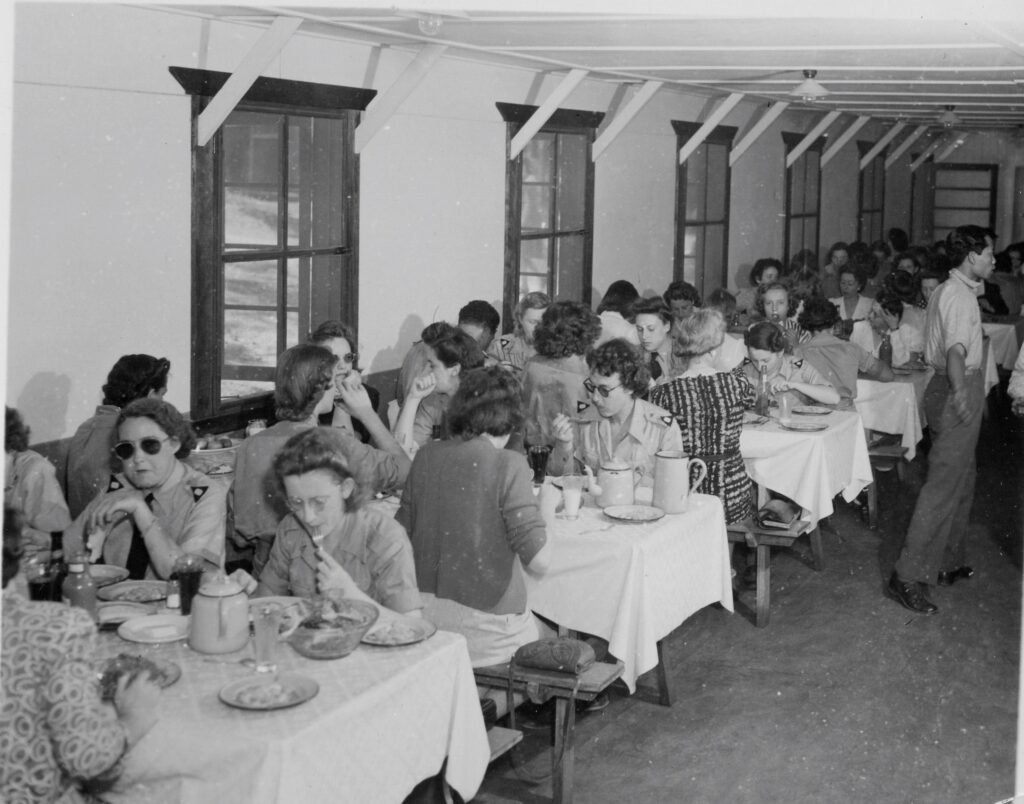
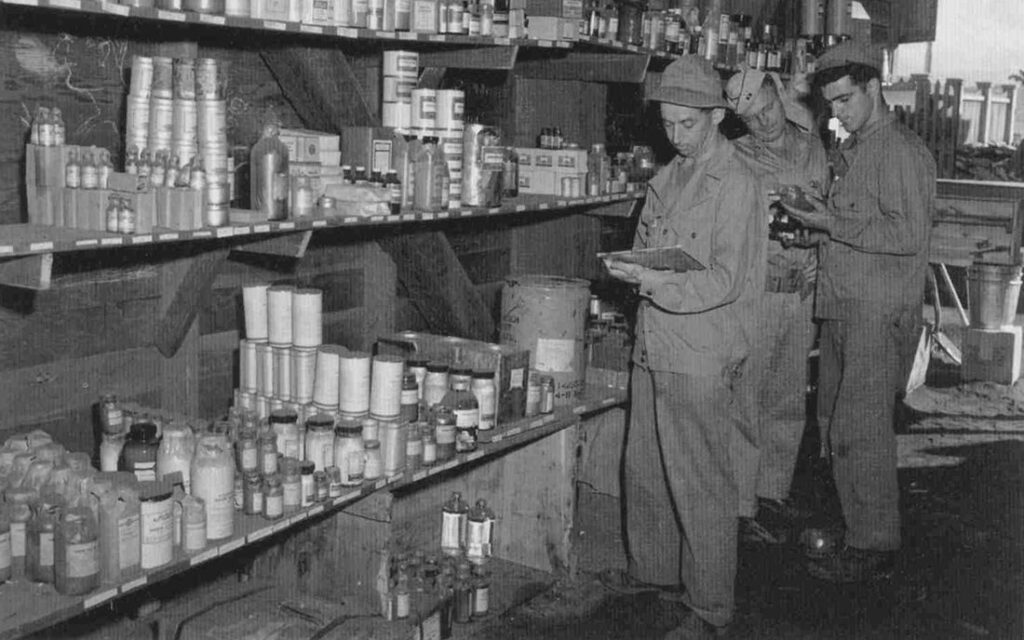
While Camp Columbia is best known as the headquarters of the U.S. Sixth Army in Australia, its effectiveness depended on far more than senior commanders and planning staff. Behind the scenes, its Quartermaster and service units ensured that the camp functioned as a self-contained military community capable of supporting thousands of personnel on a daily

Feeding, equipping and sustaining Camp Columbia: Quartermaster and service units Read More »

New partnership highlights Indonesian wartime presence at Camp Columbia

A new Memorandum of Understanding (MoU) between the Dutch Australian Cultural Centre (DACC) and Badan Pelestarian Pusaka Indonesia (BPPI – Indonesian Heritage Trust) is expected to strengthen research and public awareness of the Indonesian presence in Australia during the Second World War, particularly at Camp Columbia in Brisbane. Although the agreement has been signed by

New partnership highlights Indonesian wartime presence at Camp Columbia Read More »
Aboriginal lives at Wacol: housing, assimilation and the post-war legacy of Camp Columbia

Aboriginal presence, war and the reuse of the Camp Columbia landscape Long before the establishment of Camp Columbia during the Second World War, Aboriginal people lived in and moved through the Wacol–Goodna area for thousands of years. Archaeological work shows there were several Aboriginal camps in what is now Wacol – one opposite the current

Aboriginal lives at Wacol: housing, assimilation and the post-war legacy of Camp Columbia Read More »
From bush camp to hospital: the 42nd General Hospital at Camp Columbia, 1942–1943

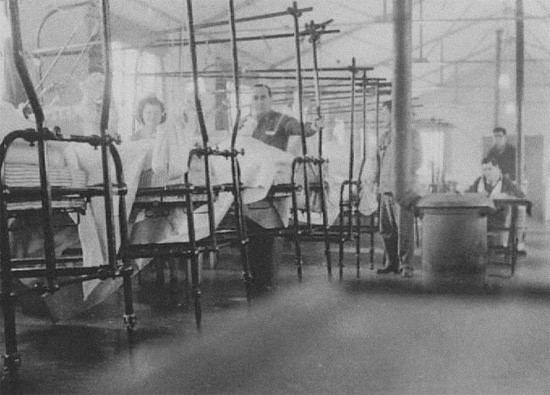
This article draws on a contemporaneous wartime account of the Convalescent Section of the 42nd General Hospital at Camp Columbia, located near Wacol, Brisbane. Compiled during and shortly after the unit’s occupation of the site between July 1942 and October 1943, the document provides a rare first-hand perspective on the establishment, operation and daily life

From bush camp to hospital: the 42nd General Hospital at Camp Columbia, 1942–1943 Read More »

Camp Columbia and Base Section 3: Brisbane in the Allied logistics system

When Allied forces expanded rapidly across the Pacific following the Japanese attacks of December 1941, Australia was transformed almost overnight from a distant imperial outpost into a central rear-area base for a global war. The scale of the challenge was unprecedented. Large numbers of Allied troops, particularly from the United States, began arriving in Australia

Camp Columbia and Base Section 3: Brisbane in the Allied logistics system Read More »

Remember the Alamo: How Camp Columbia Became the Birthplace of Alamo Force

The words “Remember the Alamo” are among the most iconic in American history. They originated in 1836 during the Texas Revolution, following the defeat of Texian defenders at the Alamo mission in San Antonio. Although the battle itself was a military loss, it became a powerful rallying cry symbolising resolve, sacrifice, and determination in the

Remember the Alamo: How Camp Columbia Became the Birthplace of Alamo Force Read More »

Scroll to Top