Refugees and Migration

Aboriginal lives at Wacol: housing, assimilation and the post-war legacy of Camp Columbia

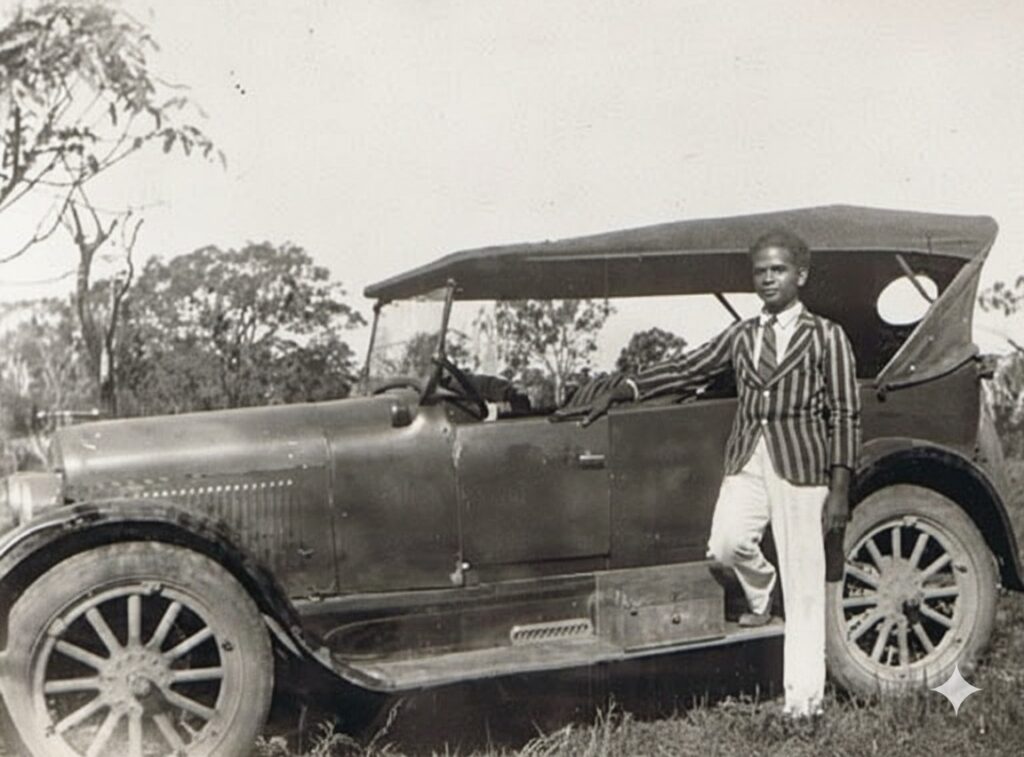
Aboriginal presence, war and the reuse of the Camp Columbia landscape Long before the establishment of Camp Columbia during the Second World War, Aboriginal people lived in and moved through the Wacol–Goodna area for thousands of years. While there are no confirmed archaeological records of permanent campsites or ceremonial grounds on the specific site later […]

Aboriginal lives at Wacol: housing, assimilation and the post-war legacy of Camp Columbia Read More »

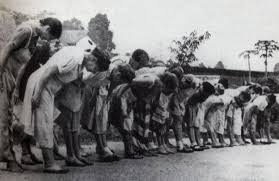
Camp Columbia hosted refugees from the Japanese camps.

Following the Japanese invasion and occupation of the Dutch East Indies (now Indonesia) during World War II, many Dutch men, women, and children were interned in civilian and military prisoner-of-war camps. Conditions in these camps were often severe, marked by overcrowding, chronic food shortages, forced labour, and a near-total absence of medical supplies. Malnutrition and

Camp Columbia hosted refugees from the Japanese camps. Read More »

From Symposium to Strategy: Securing Brisbane’s Place as WWII Allied Capital

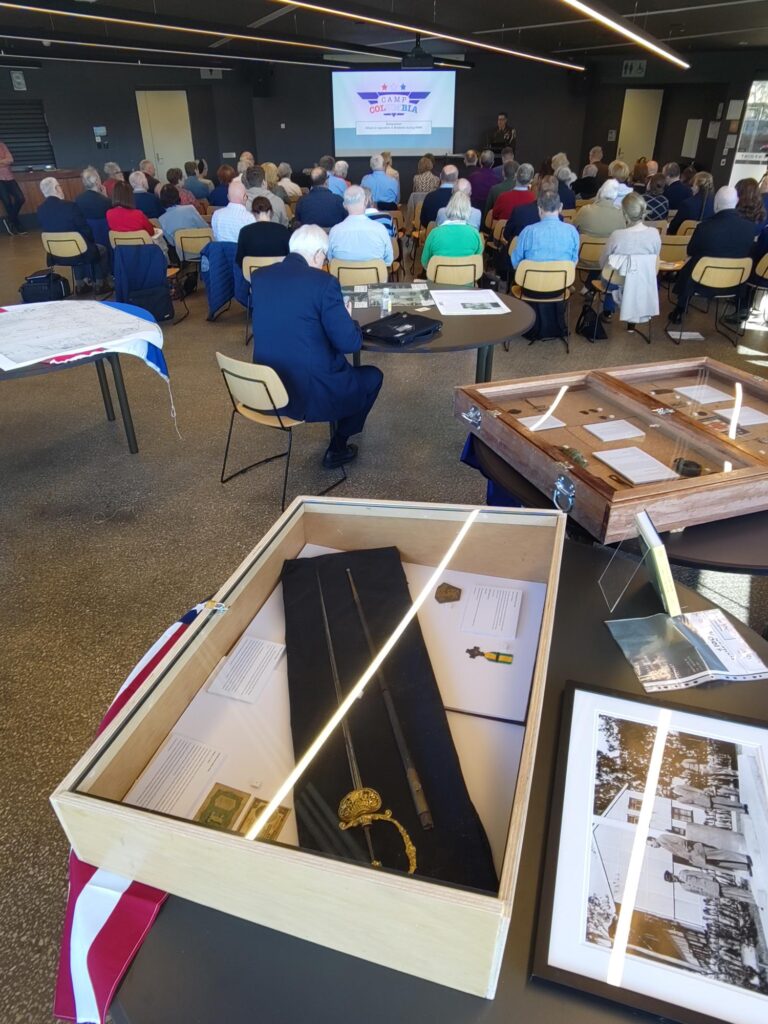
Turning commemoration into opportunity: defence ties in 2027, global heritage in 2032 The Allied Co-operation in Brisbane during WWII: Australia, USA, Netherlands, UK symposium, held at the University of Queensland on 30–31 August 2025, brought together a full house of delegates, historians, community representatives, and descendants to mark the 80th anniversary of the end of

From Symposium to Strategy: Securing Brisbane’s Place as WWII Allied Capital Read More »

Camp Columbia – a wartime crossroads on Brisbane’s doorstep

We are pleased to share a feature article , now available on the website of our researcher Ingeborg van Teeseling: Australia Explained. This comprehensive piece brings together historical insights and personal recollections to highlight the unique international role of Camp Columbia during and after World War II. From American and Dutch military operations to the

Camp Columbia – a wartime crossroads on Brisbane’s doorstep Read More »

Dutch migrant family Douwes settles from Wacol in Inala, Brisbane – 1961

This story is written by Maria Douwes and published in her book: Back to Australia The Douwes family was one of the last families to move from Amsterdam to Australia for a hundred guilders. Both the Australian and Dutch governments sponsored this trip. On December 9, 1960, Maria Douwes emigrated to Australia with her parents, five brothers and

Dutch migrant family Douwes settles from Wacol in Inala, Brisbane – 1961 Read More »

The long Dutch relationship with the Southern and Southeast suburbs of Brisbane.

The long Dutch relationship with Southeast Brisbane began during World War II, when in 1942 the Americans established Camp Columbia in Wacol, Brisbane to stop the Japanese advance in the Southwest Pacific. The camp became the staging ground for the American campaign, covering an area of 20 by 15 square kilometers, covering most of the current suburbs

The long Dutch relationship with the Southern and Southeast suburbs of Brisbane. Read More »

After the war Camp Columbia was opened for refugees and migrants

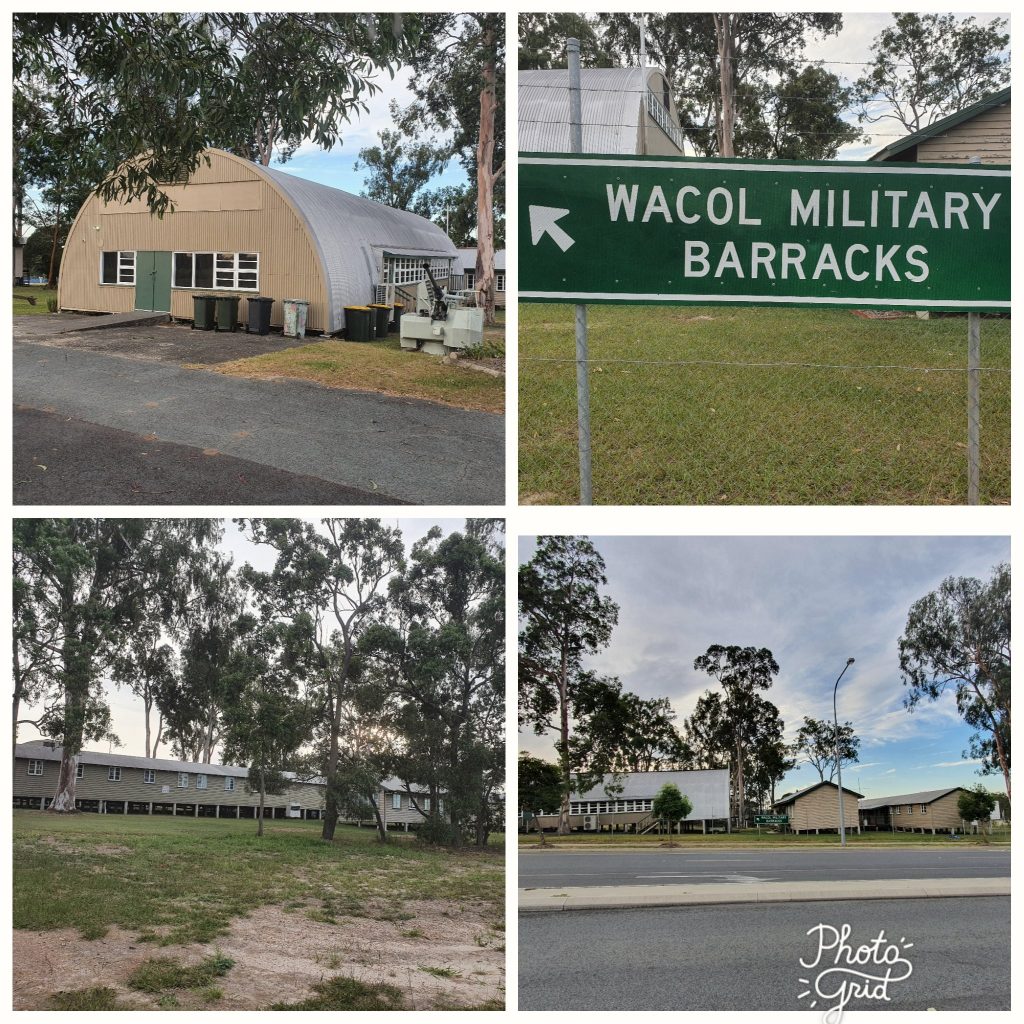
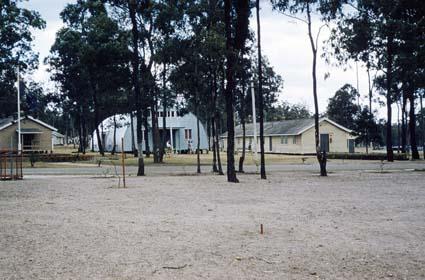
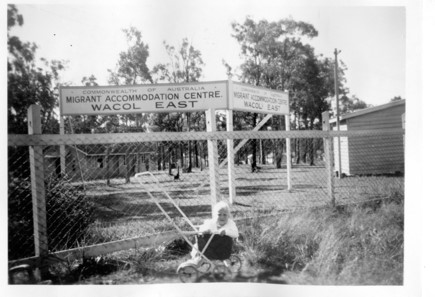
In the immediate post-War World years, refugees from war-torn Europe were resettled in different places across Australia. By 1949, it is estimated that one-tenth of the American/Dutch/Australian Army’s Camp Columbia area became the Wacol East Displaced Persons Holding Camp. In the early 1950s the camp was developed to become the Wacol Migrant Centre, the biggest

After the war Camp Columbia was opened for refugees and migrants Read More »

Wacol Migrant Centre

In the immediate post-War World years, refugees from war-torn Europe were resettled in different places across Australia. By 1949, it is estimated that one-tenth of the American/Dutch/Australian Army’s Camp Columbia area was acquired by the Department of Immigration and became the Wacol East Dependant Holding Camp for Displaced Persons. This was situated on the north

Wacol Migrant Centre Read More »
Scroll to Top