
Introduction
Jan Staal provides an important personal link between Dutch air operations, NEFIS and Camp Columbia during the final phase of the Pacific War.
After operational service with No. 18 (Netherlands East Indies) Squadron in northern Australia, Staal was withdrawn from flying duties and reassigned to intelligence. He reported to Simon Spoor at Camp Columbia, where he became involved in the expansion of the Netherlands Forces Intelligence Service (NEFIS).
His recollections provide a rare insider’s perspective on the Dutch military and intelligence organisation at Camp Columbia during 1944–45. They also show how intelligence gathered elsewhere in the Southwest Pacific influenced Dutch thinking about what might happen when Netherlands Indies authorities returned to the archipelago.
From Camp Columbia, Staal was sent to Manila following its liberation. What he witnessed there—the destruction of the city, political instability, guerrilla activity and the difficulties facing returning authorities—convinced him that the Netherlands East Indies might face similar problems after Japan’s defeat.
His subsequent discussions with Spoor and other senior Dutch officials provide an unusually personal view of the growing concern within parts of the Dutch military establishment about the political situation they would encounter on their return.
This article draws principally on Staal’s own recollections. They are valuable as first-hand testimony but should also be read as his personal interpretation of events and attitudes at the time.
Arrival at Camp Columbia
In September 1944, after completing operational flying duties with No. 18 (Netherlands East Indies) Squadron in northern Australia, Staal was ordered to report to Lieutenant-Colonel Simon Spoor, Director of the Netherlands Forces Intelligence Service (NEFIS), at Camp Columbia.
Staal already knew Spoor, who had taught him years earlier at the Royal Military Academy. At Camp Columbia he became involved in the further development of the Dutch military intelligence organisation.
By this time Camp Columbia was becoming the principal concentration of Netherlands Indies government and military organisations in Australia. NEFIS operated there alongside the Netherlands Indies Government-in-Exile, KNIL headquarters and other Dutch and Netherlands Indies organisations.
In his memoir, Staal remembered a pronounced division between the civilian government officials associated with Lieutenant-Governor-General Hubertus van Mook and the military establishment surrounding Spoor. He believed that communication and coordination between the two sides were poor.
This was Staal’s personal assessment, written many years later, but it provides valuable evidence of how at least one military officer experienced the atmosphere within Camp Columbia during the final year of the war.
From Camp Columbia to Manila
In April 1945 Spoor sent Staal to Manila, which had recently been recaptured after fierce fighting between American and Japanese forces.
The mission gave Staal an opportunity to study conditions emerging after the collapse of Japanese occupation. He observed the problems facing authorities attempting to restore government and public order, including armed groups, collaborators, criminal activity, shortages and the urgent need for an effective police organisation.
Staal returned to Camp Columbia convinced that the Netherlands East Indies could face similar difficulties once Japanese control collapsed.
According to his recollections, he reported his concerns to Spoor and argued that Dutch authorities needed to prepare immediately for maintaining public order after liberation. Spoor took his warnings seriously.
Staal recalled, however, that senior civilian officials at Camp Columbia were considerably more optimistic about conditions in the Netherlands East Indies. He believed they underestimated both the disruption caused by the occupation and the political changes that had taken place during the years of Dutch absence.
His Manila mission therefore became important not only as an intelligence assignment, but also because it influenced the debate within the Dutch establishment at Camp Columbia about what they might encounter when they returned.
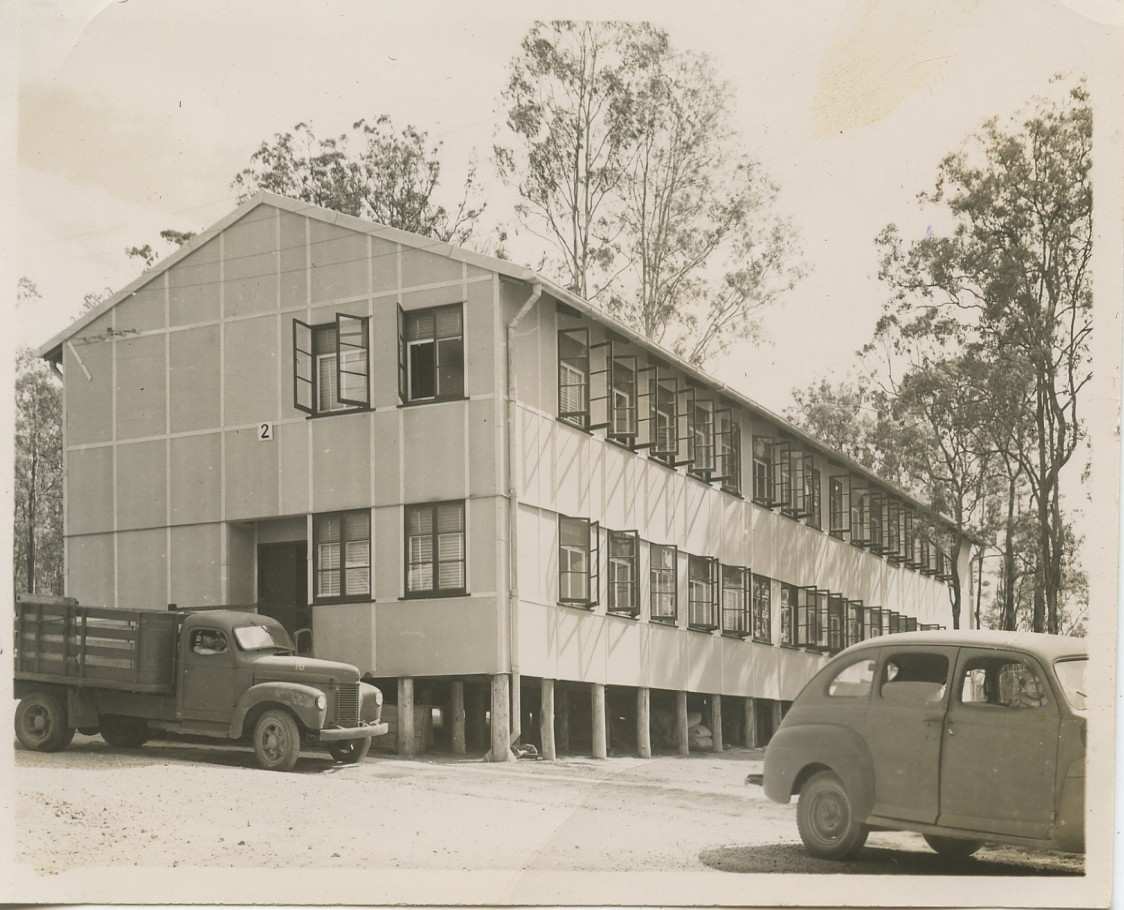
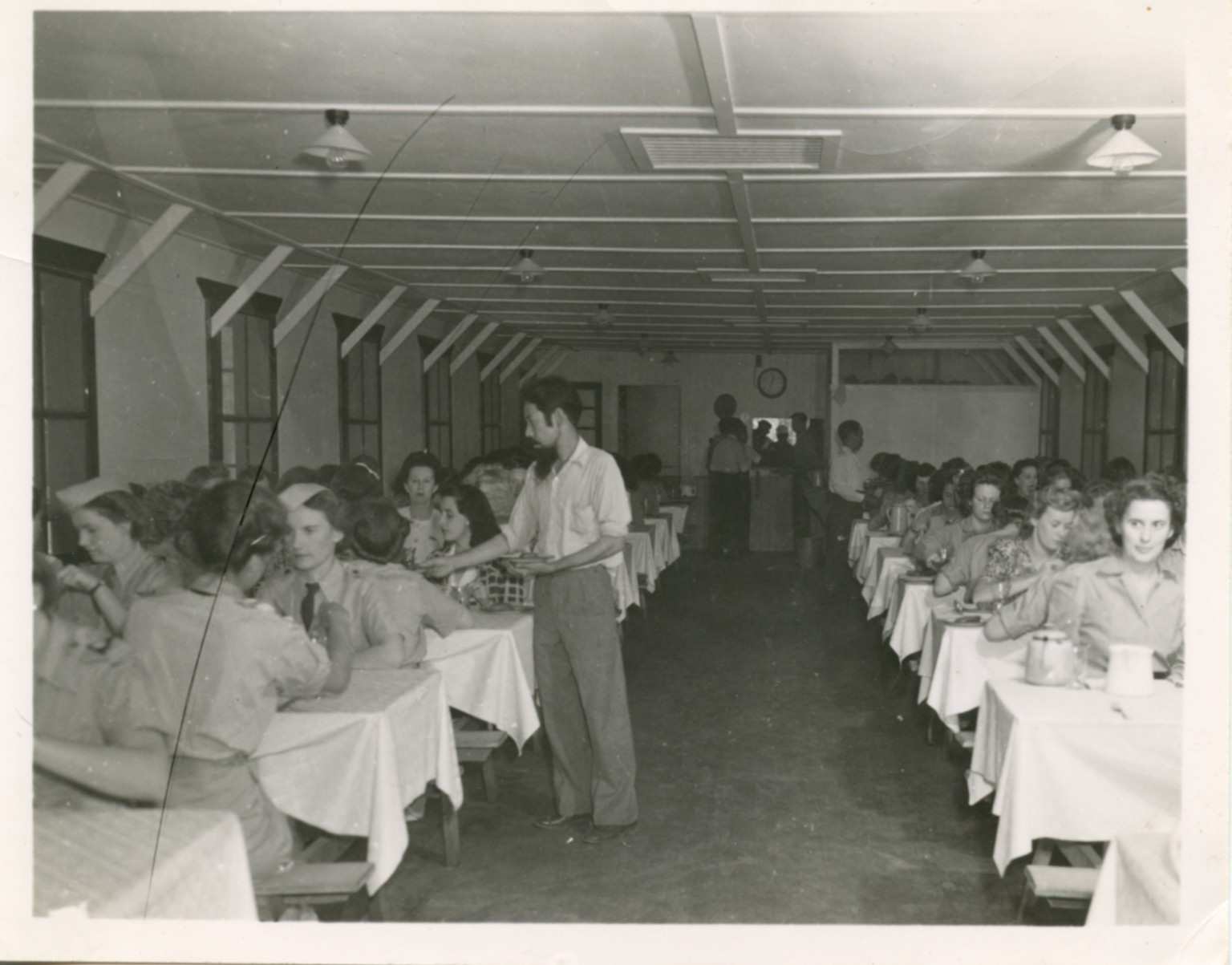
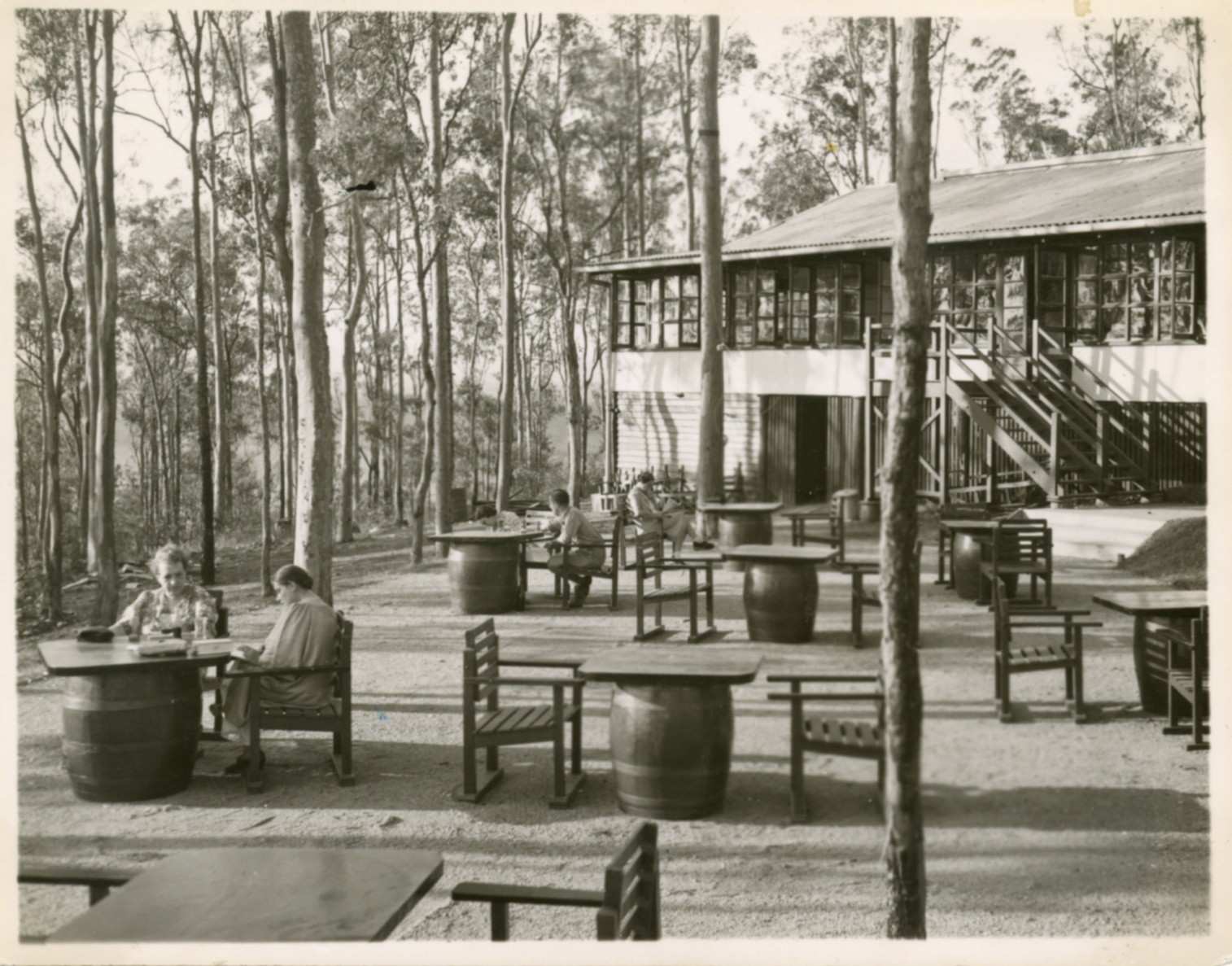
Below various pictures of Camp Columbia during the period of the Netherlands East Indisch Government-in-Exile
The war ends, but the crisis deepens
Japan’s surrender in August 1945 transformed the situation almost overnight.
Dutch military personnel, administrators and officials at Camp Columbia wanted to return to the Netherlands East Indies, but the political and military conditions under which that return would occur remained uncertain. Indonesian independence was proclaimed on 17 August, only two days after Japan announced its surrender.
Staal remembered Camp Columbia becoming increasingly restless as personnel waited for instructions and attempted to organise their return north.
At the same time, developments in Australia complicated Dutch plans. Indonesian activists and Australian trade unions opposed efforts to restore Dutch colonial authority, and waterfront workers began refusing to load and service Dutch ships bound for the archipelago.
For Staal, these events reinforced the concerns he had brought back from Manila. The problem facing the Dutch was no longer simply how to restore administration after Japanese occupation. They were confronting a rapidly developing struggle over Indonesia’s political future.
From aviator to policeman
Staal’s observations in Manila had convinced him that restoring public order would be one of the most urgent problems facing Dutch authorities after Japan’s surrender.
He was subsequently instructed by Spoor and senior military officers to help establish a military police capability for the returning KNIL forces.
Plans initially envisaged training personnel closer to the operational area, but a military police school was eventually established in Melbourne. Former air force personnel and others were rapidly retrained for police duties, using material and experience Staal had gathered during his Manila mission.
Staal was appointed Commissioner of Police 1st Class.
By September 1945 he was on his way back to Java. His wartime path had taken him from operational flying with No. 18 Squadron, through intelligence work at Camp Columbia and a fact-finding mission to Manila, to the improvised policing organisation created for the Dutch return to the Netherlands East Indies.
Why Staal’s recollections matter
Jan Staal’s account provides an unusual personal view of Camp Columbia during the transition from war to peace.
His story connects several important elements of the camp’s history: No. 18 Squadron, Simon Spoor and NEFIS, intelligence gathering and assessment, preparations for the return to the Netherlands East Indies, and the political uncertainty that followed Japan’s surrender.
His recollections are also valuable because they record disagreement within the Dutch establishment. Staal believed that Spoor and other military officers were more alert than civilian officials to the political and security problems that would follow liberation. That judgement should be understood as Staal’s own retrospective interpretation rather than as an uncontested historical conclusion.
Nevertheless, his experiences demonstrate how intelligence gathered through the wider Allied network could influence discussions taking place at Camp Columbia.
Staal arrived at Wacol as an experienced combat aviator. He left the intelligence environment there with a very different understanding of the challenges facing the Netherlands East Indies.
His journey from No. 18 Squadron to NEFIS, Manila and eventually back to Java provides another personal example of Camp Columbia’s role as a link between wartime Australia and the rapidly changing world of postwar Indonesia.
Primary source: Jan Staal’s memoir, Pieter Boele van Hensbroek archive, DACC collection.
Further research: Nederlands Instituut voor Militaire Historie (NIMH), Jan Staal personal archive.
Other links:
NEFIS Research Portal – Dutch and Indonesian Intelligence in Australia during WWII
Netherlands Forces Intelligence Service (NEFIS) at Camp Columbia