Netherlands

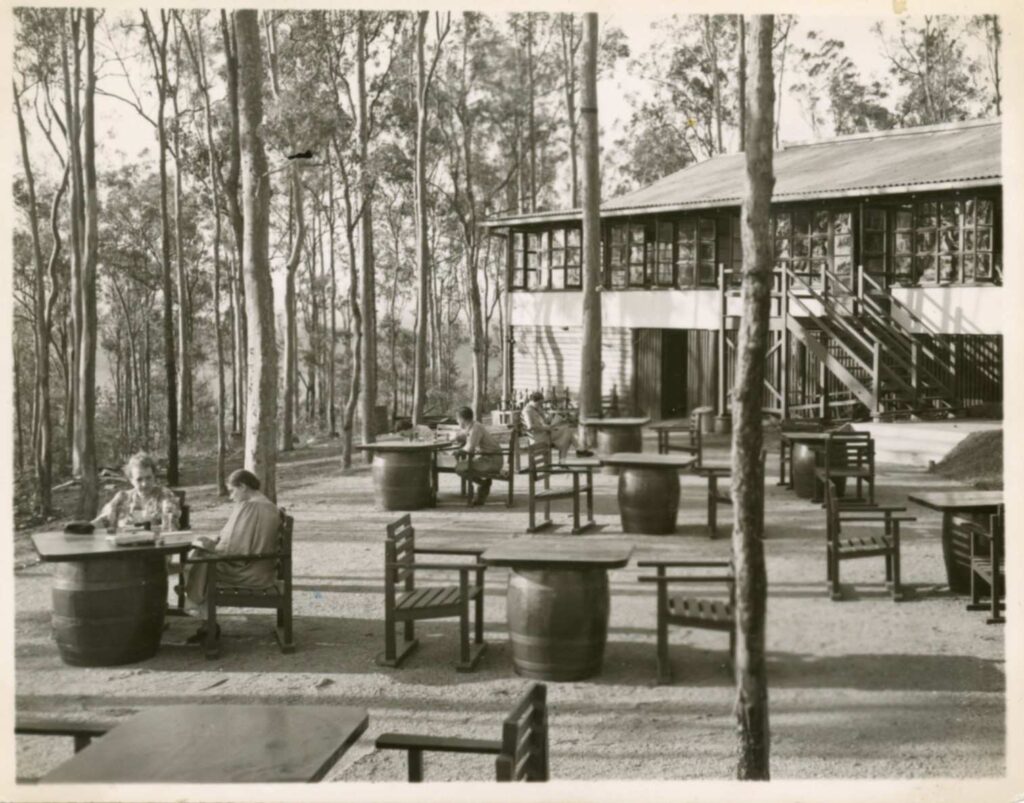
Archerfield Memories

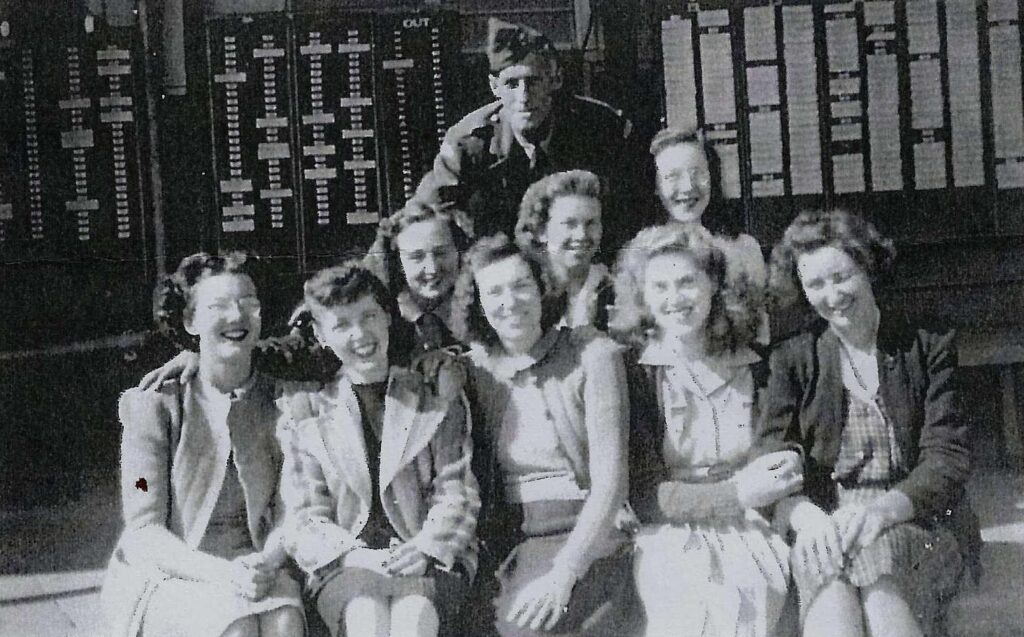
This document provides a first-hand civilian account of Brisbane’s wartime aviation environment during the Second World War and the immediate post-war years, as experienced at Archerfield Aerodrome. It reflects the strongly international character of Brisbane at the time, shaped by the presence of American, Australian, Dutch, and Netherlands East Indies personnel operating within a shared

Archerfield Memories Read More »
Camp Columbia hosted evacuees from the Japanese camps.

Following the Japanese invasion and occupation of the Dutch East Indies (now Indonesia) during World War II, many Dutch men, women, and children were interned in civilian and military prisoner-of-war camps. Conditions in these camps were often severe, marked by overcrowding, chronic food shortages, forced labour, and a near-total absence of medical supplies. Malnutrition and

Camp Columbia hosted evacuees from the Japanese camps. Read More »

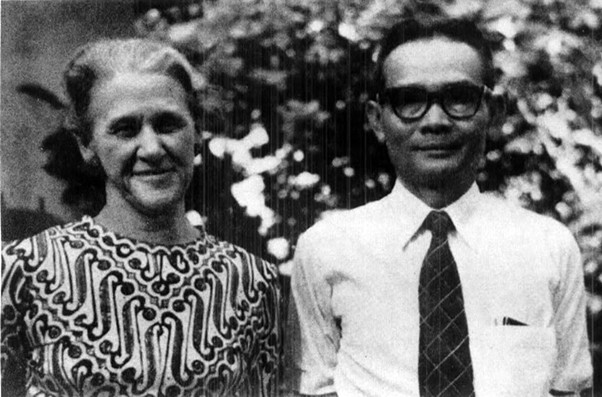
Camp Columbia and the Indonesian Independence story: Mohamad Bondan in wartime Australia

Indonesian political prisoners and wartime exile The story of Indonesian nationalist Mohamad Bondan offers a compelling insight into the complex political landscape that unfolded in Australia during the Second World War. His wartime journey reflects a wider and largely overlooked chapter of shared heritage linking Indonesia, the Netherlands and Australia. Bondan belonged to a generation

Camp Columbia and the Indonesian Independence story: Mohamad Bondan in wartime Australia Read More »

New partnership highlights Indonesian wartime presence at Camp Columbia

A new Memorandum of Understanding (MoU) between the Dutch Australian Cultural Centre (DACC) and Badan Pelestarian Pusaka Indonesia (BPPI – Indonesian Heritage Trust) is expected to strengthen research and public awareness of the Indonesian presence in Australia during the Second World War, particularly at Camp Columbia in Brisbane. Although the agreement has been signed by

New partnership highlights Indonesian wartime presence at Camp Columbia Read More »

Air Chief Marshal Charles Burnett and Australia’s engagement with Dutch intelligence, 1941–1944

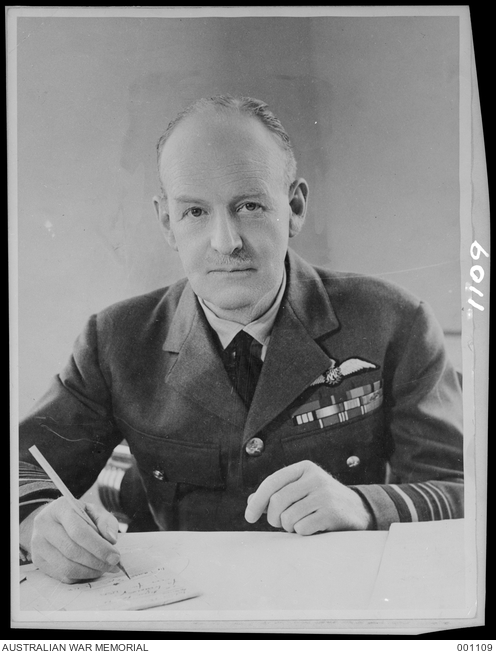
In the final months before the Pacific War reached Australia, the Netherlands East Indies emerged as a crucial source of intelligence on Japanese intentions. One of the senior Australian officers directly involved in receiving and assessing this information was Charles Burnett, Chief of the Air Staff of the Royal Australian Air Force. Burnett’s role places

Air Chief Marshal Charles Burnett and Australia’s engagement with Dutch intelligence, 1941–1944 Read More »

Camp Columbia and the U.S. Sixth Army: A Signal Officer’s First-Hand Account

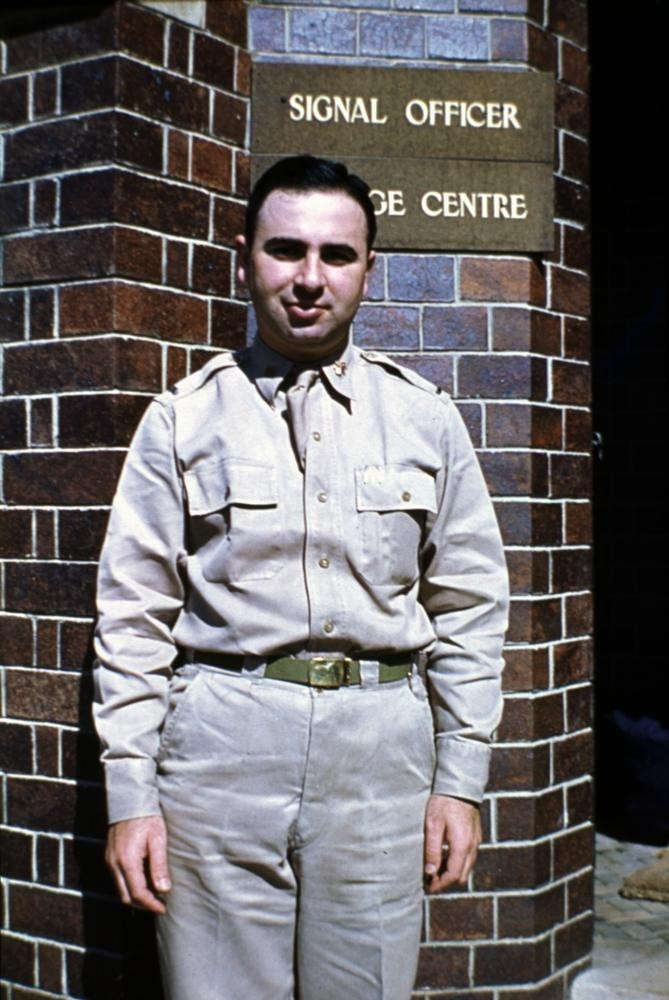
This paper draws on the autobiography of Lt. Mark Twain Muller, a U.S. Army Signal Officer assigned to Base Section 3, to illuminate the operational and Allied significance of Camp Columbia, located west of Brisbane, during the critical early years of the Pacific War. Muller’s first-hand account provides rare insight into the establishment of Camp

Camp Columbia and the U.S. Sixth Army: A Signal Officer’s First-Hand Account Read More »

Lieutenant Governor-General Hubertus van Mook: head of the NEI Government in Exile at Camp Columbia

Hubertus Johannes van Mook (1894–1965) was one of the most significant and controversial Dutch administrators of the Second World War and its aftermath. Born in Semarang, Java, Van Mook was part of the Indo-European community of the Netherlands East Indies (NEI), whose families had lived in the archipelago for generations. This background gave him a

Lieutenant Governor-General Hubertus van Mook: head of the NEI Government in Exile at Camp Columbia Read More »

Elva Mary Bennett, Gerk van der Land and a family at war

This article is based on personal documents, military records and a recorded wartime interview provided by Elva Mary Bennett’s son, Russ Morison, together with supporting Australian and Dutch archival sources. The wartime history of the Bennett–van der Land–Morison family connects Australia, the Netherlands, the Netherlands East Indies, Burma and the Middle East. It is a

Elva Mary Bennett, Gerk van der Land and a family at war Read More »

Reunited at Camp Columbia and married in Brisbane: the wartime journey of Jack and Truus Hompe

Introduction The wartime story of Jack and Truus Hompe provides a remarkable personal connection between the Netherlands, Camp Columbia in Brisbane and the return of Dutch and Netherlands Indies personnel to the archipelago in 1945. Jack was an Indo-European civil administrator who had spent the war in the Netherlands. Truus followed him into military service

Reunited at Camp Columbia and married in Brisbane: the wartime journey of Jack and Truus Hompe Read More »

Dutch Sailors interred at Toowong Cemetery – Grave restoration underway

Boesidien, Samanuddin and Abdole Hamid were members of the Netherlands Merchant Navy during World War II and are interred at Toowong Cemetery in Brisbane. Their service highlights the significant role of Dutch merchant vessels in the Allied efforts in the Pacific. Boesidien (1909–1942) Netherlands Merchant Navy – Crew member, MaetsuyckerBuried at Brisbane General (Toowong) Cemetery Plot

Dutch Sailors interred at Toowong Cemetery – Grave restoration underway Read More »

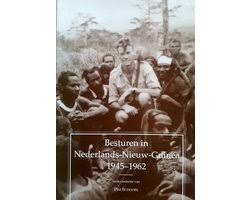
Camp Columbia and the preparation of Dutch officers for the Netherlands Indies and New Guinea

Introduction As the Allied advance moved closer to the Netherlands East Indies during 1944–45, the Dutch authorities faced an urgent problem: they needed military officers, civil administrators and specialists who could return to territories recovered from Japanese occupation. Camp Columbia became an important part of this preparation. The former American military complex at Wacol contained

Camp Columbia and the preparation of Dutch officers for the Netherlands Indies and New Guinea Read More »

Jan Staal – From No. 18 Squadron to NEFIS at Camp Columbia

Introduction Jan Staal provides an important personal link between Dutch air operations, NEFIS and Camp Columbia during the final phase of the Pacific War. After operational service with No. 18 (Netherlands East Indies) Squadron in northern Australia, Staal was withdrawn from flying duties and reassigned to intelligence. He reported to Simon Spoor at Camp Columbia,

Jan Staal – From No. 18 Squadron to NEFIS at Camp Columbia Read More »

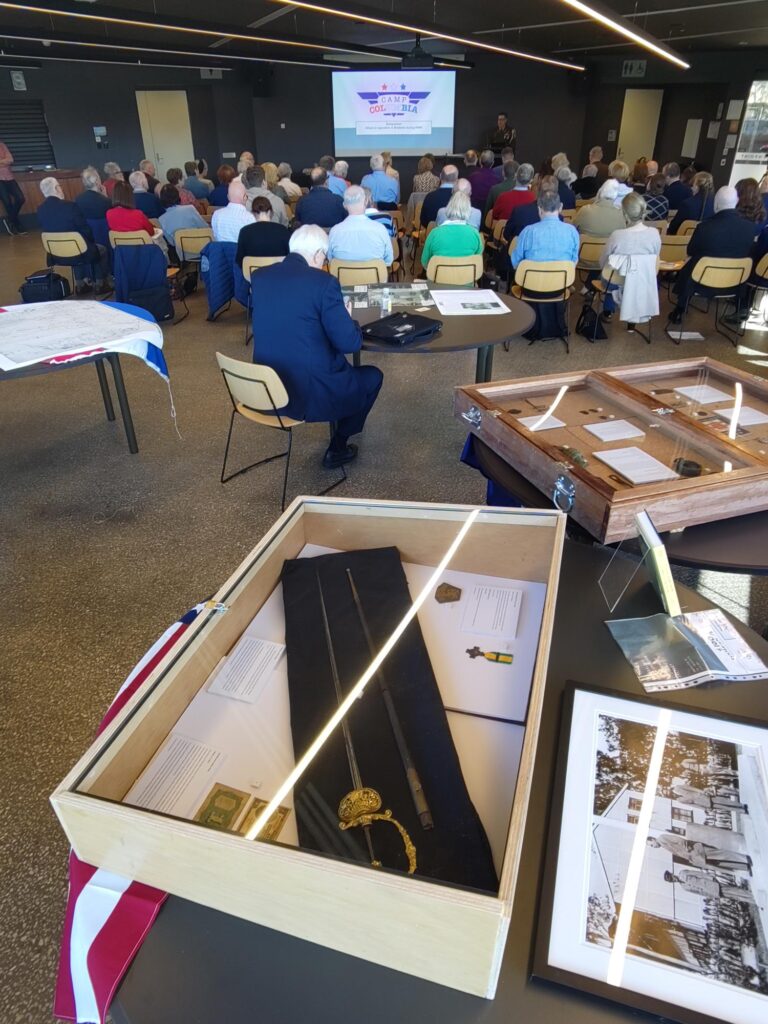
From Symposium to Strategy: Securing Brisbane’s Place as WWII Allied Capital

Turning commemoration into opportunity: defence ties in 2027, global heritage in 2032 The Allied Co-operation in Brisbane during WWII: Australia, USA, Netherlands, UK symposium, held at the University of Queensland on 30–31 August 2025, brought together a full house of delegates, historians, community representatives, and descendants to mark the 80th anniversary of the end of

From Symposium to Strategy: Securing Brisbane’s Place as WWII Allied Capital Read More »

Camp Columbia – a wartime crossroads on Brisbane’s doorstep

We are pleased to share a feature article , now available on the website of our researcher Ingeborg van Teeseling: Australia Explained. This comprehensive piece brings together historical insights and personal recollections to highlight the unique international role of Camp Columbia during and after World War II. From American and Dutch military operations to the

Camp Columbia – a wartime crossroads on Brisbane’s doorstep Read More »

KNIL soldier Anne Beetstra: A Dutch-Canadian woman at Camp Columbia, 1944–46

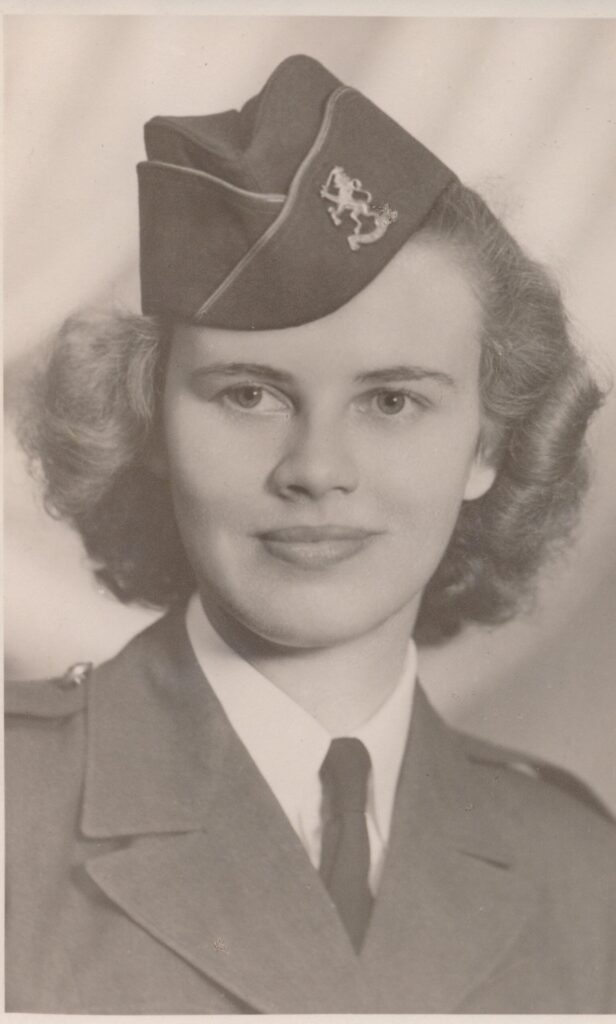
This compelling first-person account, written by her daughter Claire Smith-Burns, traces the remarkable wartime journey of Anna Wiebrigje Beetstra, a Dutch-Canadian woman who served in the Royal Netherlands East Indies Army (KNIL) during the final years of World War II. Born in Friesland in 1923 and raised in British Columbia, Anne was inspired to join

KNIL soldier Anne Beetstra: A Dutch-Canadian woman at Camp Columbia, 1944–46 Read More »

Vale Dr Jonathan (Jack) Ford

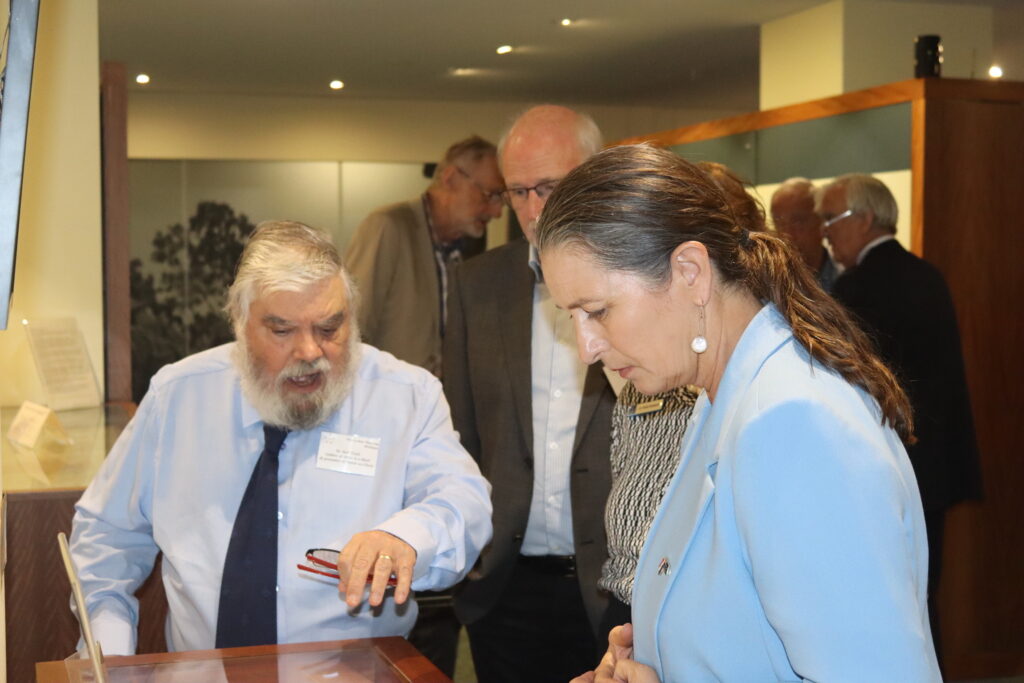
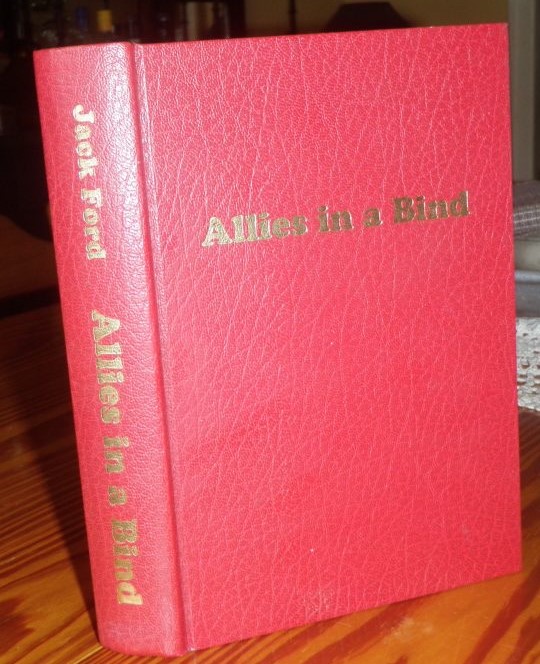
It is with great sadness that we announce the passing of Dr Jonathan (Jack) Ford on 29 June 2025, at his home in Brisbane. Jack had recently returned from hospital following heart treatment and, when we last spoke two days before his untimely death, he told me that the new medication had given him a

Vale Dr Jonathan (Jack) Ford Read More »

NIGIS: the Dutch wartime voice from Brisbane

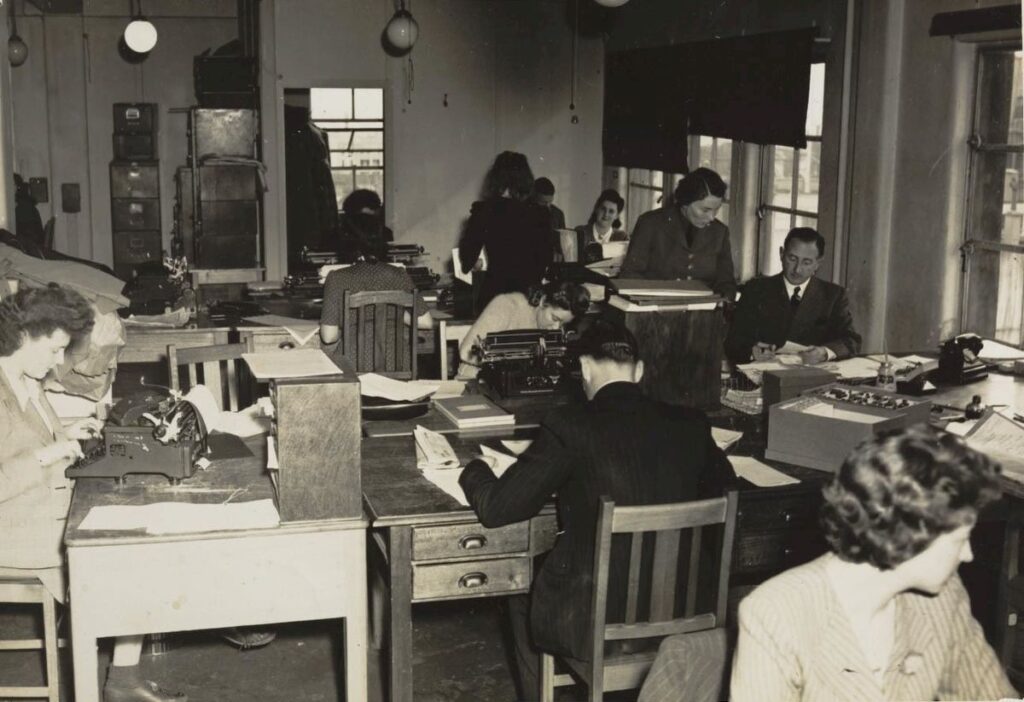
Among the many functions of the Netherlands East Indies Government-in-exile based at Camp Columbia in Brisbane during World War II, one of the most strategically significant—and least remembered—was the work of NIGIS, the Netherlands Indies Government Information Service. Operating in close cooperation with Allied information and propaganda units, NIGIS served as the Dutch government’s voice

NIGIS: the Dutch wartime voice from Brisbane Read More »

Scroll to Top