
Introduction
Among the Dutch servicemen who passed through wartime Australia, few went on to an intelligence career as remarkable as that of Jan Bakker.
An Engelandvaarder who reached Britain in 1944, Bakker subsequently joined the KNIL and was sent to Australia for military training. In November 1944 he was commissioned as a reserve second lieutenant and assigned to the Netherlands Forces Intelligence Service (NEFIS), whose headquarters were then at Camp Columbia in Brisbane.
His Australian period brought him into the Dutch and Allied intelligence network operating from Queensland. Most importantly, he undertook specialist training at the Australian Army’s LHQ School of Military Intelligence at Southport, graduating in June 1945.
Bakker later became a prominent intelligence officer during the Indonesian struggle for independence and subsequently operated under the codename “Virgil”, developing an important Dutch intelligence network in Indonesia.
His story provides a particularly interesting personal connection between Camp Columbia, Australian intelligence training and the post-war intelligence world that emerged from the Pacific War.
From Bandung to England
Jan Bakker was born in Eibergen in the Netherlands in 1922 but grew up in Bandung in the Netherlands East Indies. His father served as an officer in the KNIL (Royal Netherlands East Indies Army), and the military environment in which he was raised would strongly influence his later career.
During the Second World War he found himself in Switzerland, where his stepfather, Major-General A.G. van Tricht, served as Dutch military attaché. Like many young Dutchmen determined to continue the fight against Germany, Bakker sought a way to reach Allied territory.
In late 1943 he embarked on a dangerous Engelandvaart. Travelling under a false identity, he crossed France, traversed the Pyrenees into Spain, passed through Madrid and Lisbon, reached Gibraltar and finally arrived in England in February 1944.
He collected information, interviewed resistance members and escapees, and investigated the mysterious death of New Zealand General Reginald Miles in Spain. These activities attracted the attention of Allied intelligence officers.
Arrival in Australia
After reaching Britain, Bakker joined the Royal Netherlands East Indies Army (KNIL) and was sent to Australia for officer training.
In November 1944 he was commissioned as a reserve second lieutenant and assigned to the Netherlands Forces Intelligence Service (NEFIS).
By then NEFIS headquarters had moved from Melbourne to Camp Columbia at Wacol in Brisbane. The organisation collected and analysed intelligence concerning the Japanese-occupied Netherlands East Indies and maintained close working relationships with Australian and other Allied intelligence organisations.
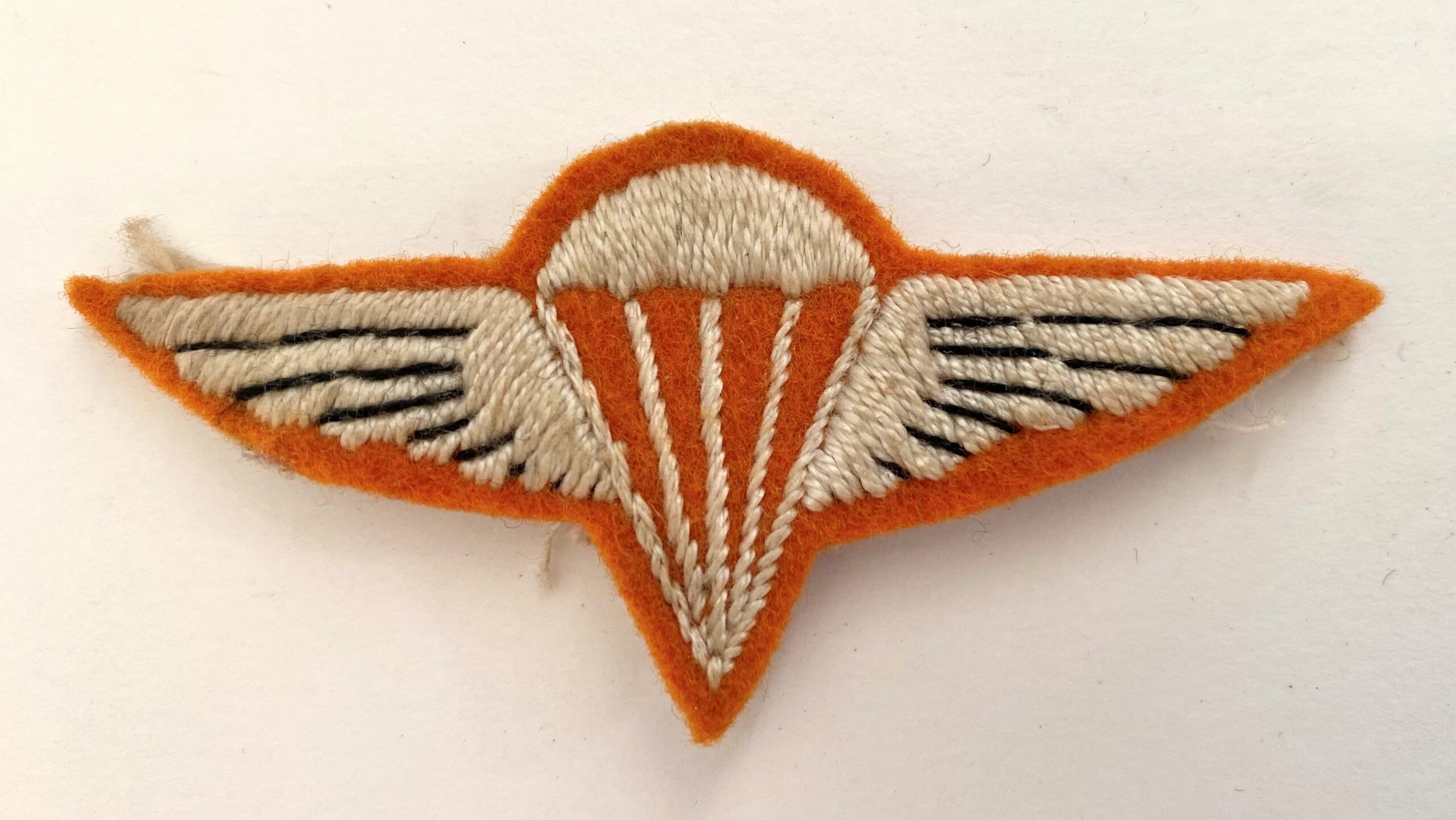
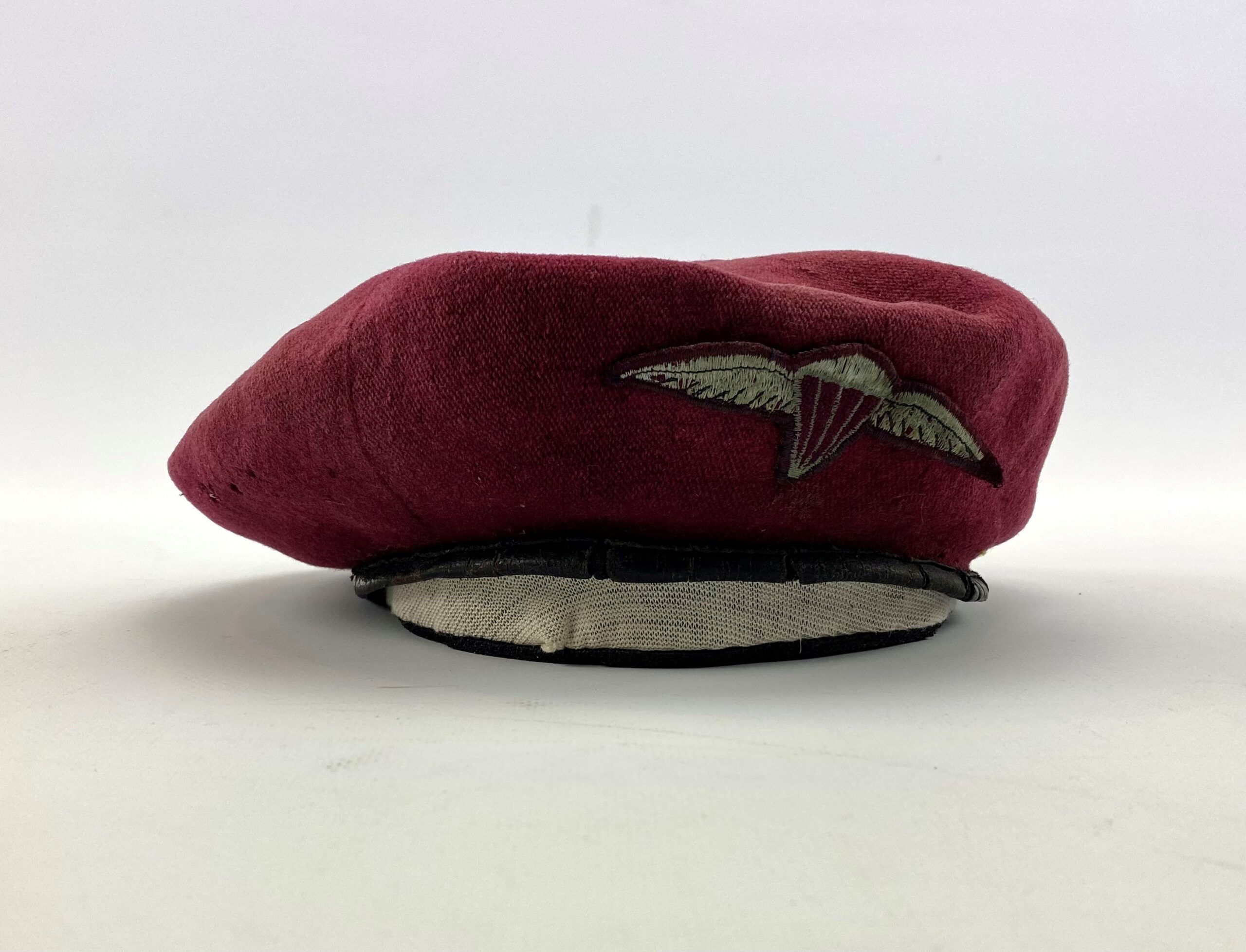
Bakker also underwent parachute training in Australia.
His assignment to NEFIS subsequently led to the most important documented element of his Australian intelligence training: attendance at the Australian Army’s School of Military Intelligence at Southport on the Gold Coast.
Training for intelligence work
After joining NEFIS, Bakker was selected for specialist intelligence training at the Australian Army’s LHQ School of Military Intelligence at Southport on the Gold Coast.
He completed the six-week course in June 1945. His Australian instructors assessed him very favourably, describing him as an alert and enquiring officer with initiative, leadership ability and organisational skills.
The course marked an important stage in Bakker’s development from newly commissioned KNIL officer to intelligence specialist. It also provides a direct example of the cooperation that existed between NEFIS and Australian military intelligence organisations during the final year of the Pacific War.
Australian War Memorial film footage recorded at Southport in January 1945 provides a rare visual record of the school. It shows students being instructed in the analysis and interpretation of aerial photographs and other techniques used in military intelligence work.
Bakker’s attendance at Southport is particularly significant for the Camp Columbia story. NEFIS had its headquarters at Camp Columbia, but specialist training could draw upon Australian facilities elsewhere in Queensland. His experience therefore illustrates how Camp Columbia formed part of a much wider Allied intelligence and training network.
The School of Military Intelligence at Southport, its training activities and the surviving Australian evidence are examined in more detail in the DACC article Queensland’s Forgotten Intelligence School: Where a Dutch NEFIS Officer Learned His Trade.
From Brisbane to Indonesia
JJapan’s surrender in August 1945 meant that Bakker would not use his Australian training for the kind of clandestine wartime mission into Japanese-occupied territory for which NEFIS personnel had been preparing.
Instead, he returned to the Netherlands East Indies at a moment of profound political change. Indonesian independence had been proclaimed on 17 August 1945, and Dutch intelligence increasingly shifted from the war against Japan towards the developing conflict with the Indonesian Republic.
Bakker’s knowledge of Malay, familiarity with Indonesian society and intelligence training made him particularly valuable. By 1948 he had become head of the Intelligence and Security Group of the KNIL T-Brigade on Java.
His role brought him into direct contact with the leadership of the Indonesian Republic.
During Operation Kraai, the major Dutch military offensive launched in December 1948, Dutch forces captured the Republican capital Yogyakarta and arrested President Sukarno, Vice-President Mohammad Hatta and other senior Republican leaders.
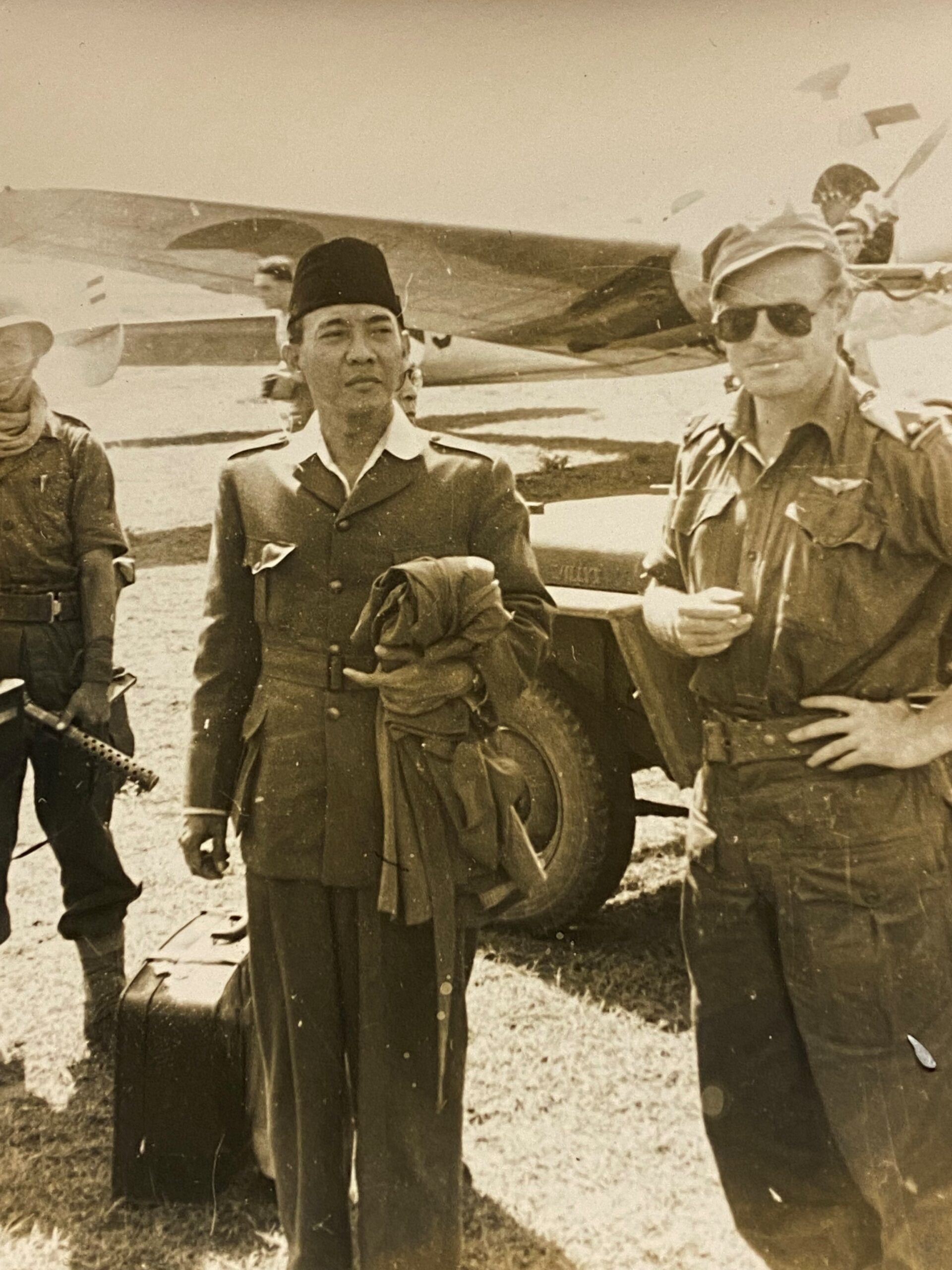
Bakker became involved in the intelligence and security operations surrounding the captured Republican leadership. A remarkable surviving photograph shows the young Dutch intelligence officer standing with President Sukarno at Maguwo airfield following the Dutch occupation of Yogyakarta.
The photograph provides a striking link with Bakker’s earlier Australian experience. Only three years after completing specialist intelligence training at Southport and serving with NEFIS in Queensland, he was operating at the centre of one of the most consequential episodes of the Indonesian struggle for independence.
Operation Kraai also contributed to Bakker’s growing reputation as an intelligence officer. Contacts and experience acquired during these years would later become important when he returned to Indonesia under very different circumstances as the intelligence operative known as “Virgil.”
The making of “Virgil”
Bakker’s intelligence career did not end with the transfer of sovereignty to Indonesia in December 1949.
Several years later he returned to Indonesia as an intelligence operative under the codename “Virgil”. Working for the Dutch foreign intelligence service, he developed an extensive network of contacts capable of providing information from within Indonesian political, military and government circles.
His work became particularly important as relations between Indonesia and the Netherlands deteriorated over the future of Netherlands New Guinea. Information from Indonesia was increasingly valuable to Dutch officials attempting to understand Sukarno’s intentions and the political and military pressures developing around the dispute.
Bakker acquired a reputation as one of the Netherlands’ most effective intelligence operatives in Indonesia. His ability to establish personal relationships and cultivate sources became central to his success.
The contrast with the young officer who arrived in wartime Australia is striking.
In Queensland, Bakker had entered the NEFIS intelligence environment at Camp Columbia and received formal specialist training from Australian military intelligence at Southport. Within a few years he was involved in intelligence and security operations surrounding President Sukarno during Operation Kraai. Later, as “Virgil”, he operated within the increasingly complex intelligence struggle between the Netherlands and independent Indonesia.
His Australian period was therefore only a short episode in a much longer career, but it was an important formative stage in the development of an officer who subsequently became a significant figure in Dutch intelligence history.
Why Bakker’s Australian connection matters
Jan Bakker’s story provides an unusually clear example of the human connections created by the Allied intelligence network operating from wartime Australia.
Camp Columbia was his connection with NEFIS headquarters; Southport provided documented specialist intelligence training; and the wider Australian military system provided training and experience before he returned to the Netherlands East Indies.
His later career—from Operation Kraai to his activities as “Virgil”—shows how expertise developed during the war continued to influence Dutch intelligence operations long after Japan’s surrender.
Bakker’s story also illustrates why Camp Columbia should not be viewed in isolation. The Dutch organisations based there depended upon Australian and Allied training establishments, communications systems, transport and operational facilities elsewhere in Queensland and across Australia.
The young NEFIS officer who trained in Queensland in 1945 would later find himself standing beside President Sukarno at one of the defining moments of the Indonesian Revolution.
That remarkable trajectory—from Camp Columbia and Southport to Yogyakarta and the intelligence world of independent Indonesia—makes Bakker one of the most intriguing personal stories associated with the Dutch wartime presence in Queensland.
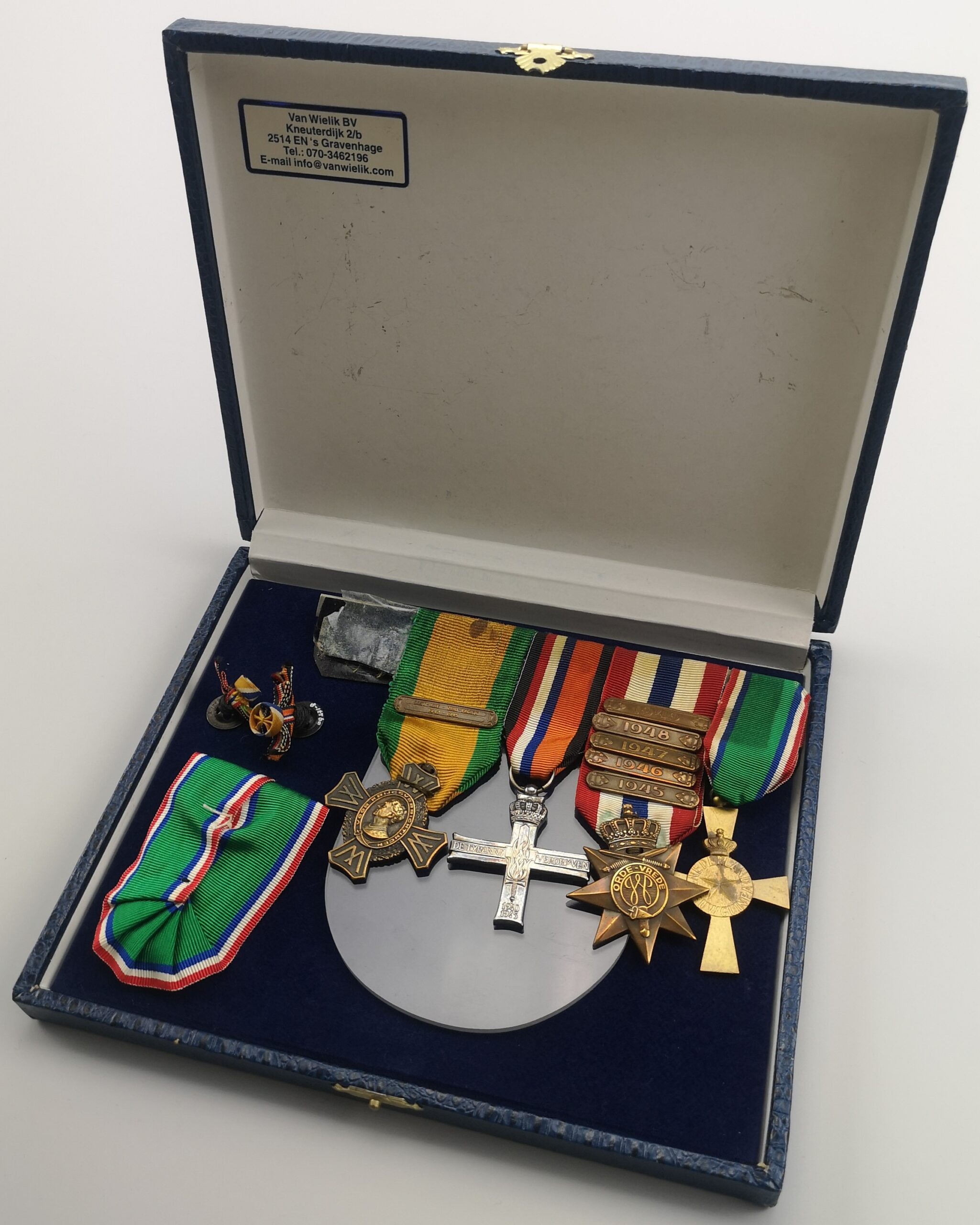
Jan Bakker artefacts at the Bronbeek Museum
SSources and further reading
I would replace the present somewhat untidy Sources list with this:
- Nederlands Instituut voor Militaire Historie (NIMH), The Hague, J.A. Bakker archive, Toegang 164. Personal archive of Jan Bakker relating to his work with intelligence and security organisations in the Netherlands East Indies and later intelligence activities. This should be one of the principal archival references.
- Sierk Plantinga, “In memoriam: Johannes August (Jan) Bakker 1922–2016,” De Schakel, Stichting Genootschap Engelandvaarders, July 2016, 37th year, no. 149. Particularly useful for Bakker’s Engelandvaarder background, Australian training, commissioning, assignment to NEFIS and later career.
- Australian War Memorial, film F07558, LHQ School of Military Intelligence, Southport, 4 January 1945. Contemporary film showing instruction at the school attended by Bakker, including aerial-photograph interpretation and related intelligence techniques. This is now an important source because of the new Southport section. AWM film F07558
- Bob de Graaff and Cees Wiebes, Villa Maarheeze: Geschiedenis van de Inlichtingendienst Buitenland (1999). Important published history of the Dutch foreign intelligence service, including Operation Virgil and Bakker’s postwar intelligence activities.
- Bob de Graaff, interview with Argos, “Nederlandse spionage in Indonesië is een groot succesverhaal.” Particularly useful for Bakker’s return to Indonesia in 1954, Operation Virgil and the penetration of Indonesian government circles. De Graaff describes Bakker’s HUMINT operation as highly successful and notes that his information also became valuable to the CIA.
Argos interview with Bob de Graaff - Nationaal Archief, The Hague, archive 2.10.62, Marine en Leger Inlichtingendienst, NEFIS and Centrale Militaire Inlichtingendienst. Important contextual archival collection covering NEFIS organisation, intelligence operations and the transition into postwar intelligence during the Indonesian Revolution. It also contains captured Republican documents and material concerning Sukarno and Mohammad Hatta.
Nationaal Archief NEFIS/CMI inventory 2.10.62 - Alfred d’Arnaud van Boeckholtz, “Jan Bakker, topspion Virgil en ‘de Nederlandse zaak’.” Family biography providing additional material on Bakker’s life and intelligence career.
- Trouw, 30 May 2016, “Vuur van Engelandvaarder en spion bleef altijd branden.” Obituary/biographical account of Bakker’s wartime and intelligence career.
Related DACC research
I would then add only two links:
DACC Research Portal – Dutch and Indonesian Intelligence and Special Operations from Australia during WWII — for the wider NEFIS and Allied intelligence context. DACC Research Portal
Queensland’s Forgotten Intelligence School: Where a Dutch NEFIS Officer Learned His Trade — for the detailed history of the Southport school and the Australian evidence. DACC Southport intelligence school article