Netherlands

Charles van der Plas: colonial expert and advocate of gradual reform

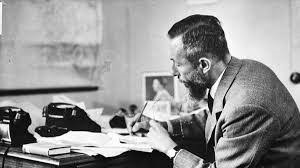
Charles van der Plas: colonial expert, wartime administrator in Australia and advocate of gradual reform Charles Olke van der Plas (1891–1977) was one of the most experienced Dutch colonial administrators of the Netherlands East Indies. Born in Buitenzorg, now Bogor, in West Java, he developed a deep knowledge of Indonesian society, Islam and local languages. […]

Charles van der Plas: colonial expert and advocate of gradual reform Read More »

Brisbane’s Three Wartime Headquarters: Australia, America and the Netherlands East Indies

When people think of the Allied command centres of the Second World War, cities such as London, Washington and perhaps Chongqing come to mind. Yet few realise that for much of the Pacific War, Brisbane became one of the most important Allied capitals in the world. Between 1942 and 1945, Brisbane served not only as

Brisbane’s Three Wartime Headquarters: Australia, America and the Netherlands East Indies Read More »

From Camp Columbia to World War: Understanding Australia’s Role in the Pacific

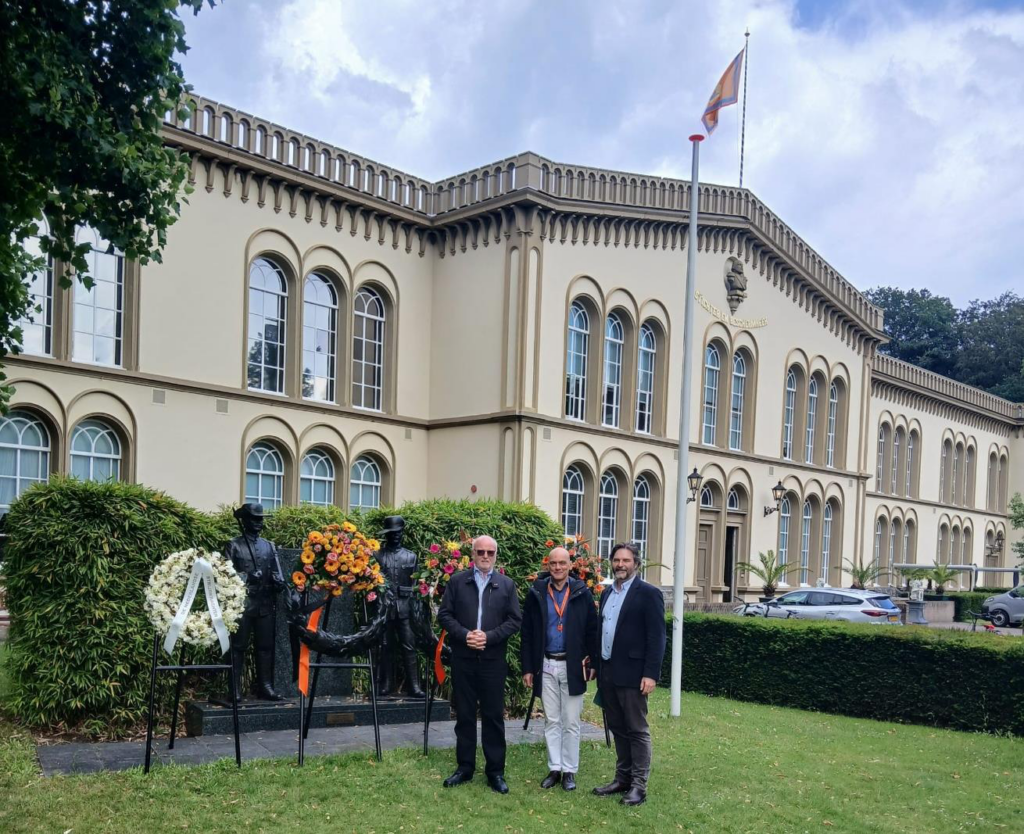
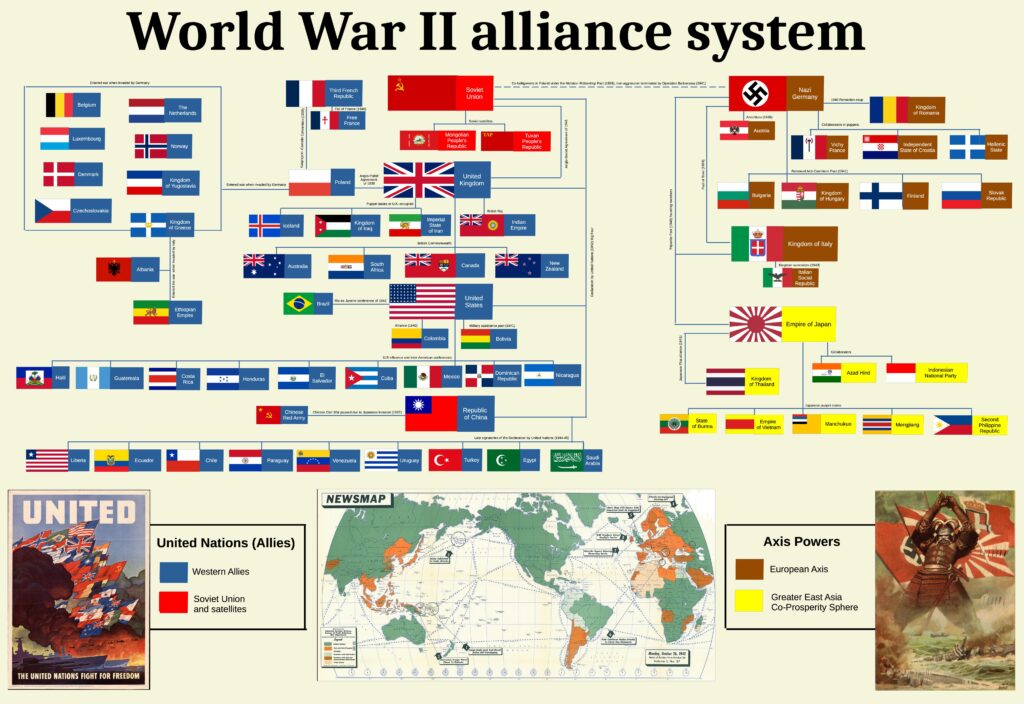
During discussions in the Netherlands in June 2026 between the Cultural Heritage Agency of the Netherlands (RCE), the University of Queensland and the Camp Columbia Heritage Association, it became clear that the history of Camp Columbia – also for the UQ students – is best understood within the broader context of the Second World War

From Camp Columbia to World War: Understanding Australia’s Role in the Pacific Read More »

From Camp Columbia to Operation Kraai: The Australian training of NEFIS officer Jan Bakker

Among the many Dutch servicemen who passed through Australia during the Second World War, few went on to build a career as remarkable as that of Jan Bakker. Remembered in the Netherlands as intelligence officer, Engelandvaarder, Netherlands Forces Intelligence Service (NEFIS)  operative and later the legendary spy known by the codename “Virgil”, Bakker’s Australian period

From Camp Columbia to Operation Kraai: The Australian training of NEFIS officer Jan Bakker Read More »

Mapping the road home: NEFIS, Camp Columbia and the Allied intelligence war

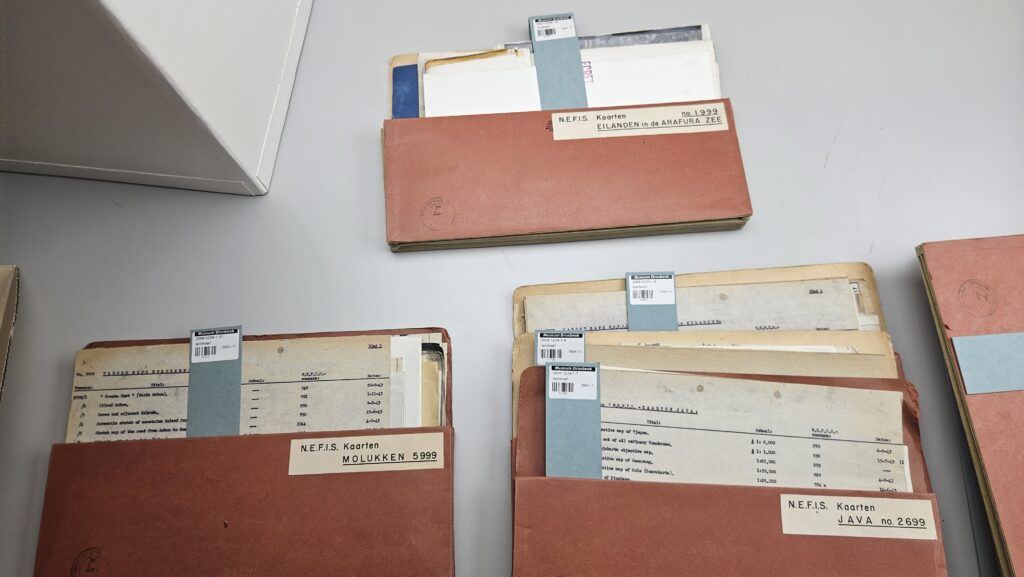
Among the collections preserved at the Bronbeek Museum are a series of unassuming red file folders labelled: N.E.F.I.S. Kaarten – JAVA no. 2699 N.E.F.I.S. Kaarten – MOLUKKEN no. 5999 N.E.F.I.S. Kaarten – EILANDEN in de ARAFURA ZEE no. 1999 At first glance they appear to be ordinary filing folders. Yet they contain evidence of one

Mapping the road home: NEFIS, Camp Columbia and the Allied intelligence war Read More »

Brisbane’s Three Wartime Headquarters: Australia, America and the Netherlands East Indies

When people think of the Allied command centres of the Second World War, cities such as London, Washington and perhaps Chongqing come to mind. Yet few realise that for much of the Pacific War, Brisbane became one of the most important Allied capitals in the world. Between 1942 and 1945, Brisbane served not only as

Brisbane’s Three Wartime Headquarters: Australia, America and the Netherlands East Indies Read More »

CCHA works closely with Museum Bronbeek in the Netherlands

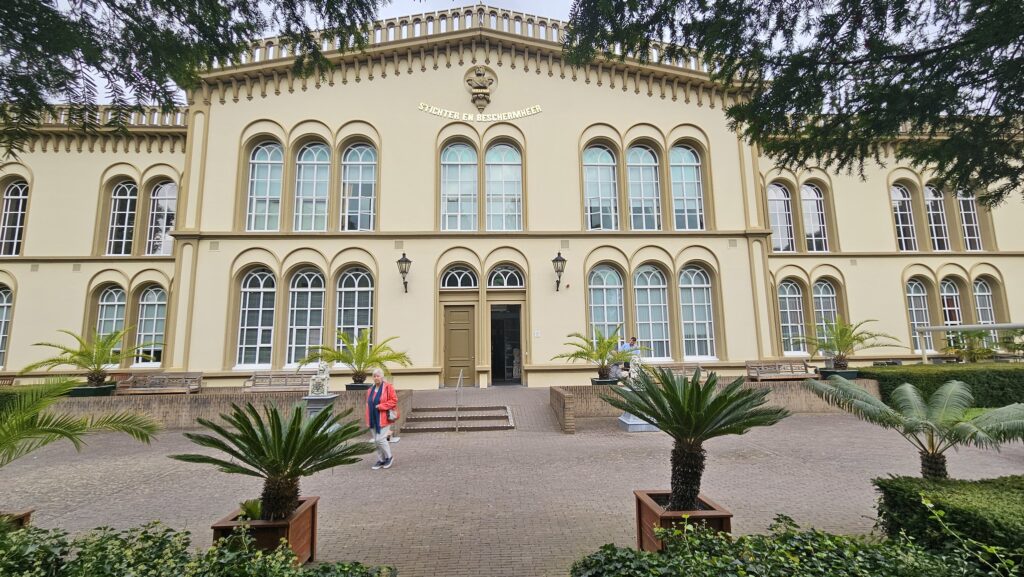
What the museum is about Museum Bronbeek, in Arnhem, is the Netherlands’ national centre for understanding the colonial-military past of the Kingdom of the Netherlands. It sits on the historic Bronbeek estate, which also houses the Royal Home for Former Military Personnel. The institution’s official name is Koninklijk Tehuis voor Oud-Militairen en Museum Bronbeek (KTOMM)

CCHA works closely with Museum Bronbeek in the Netherlands Read More »

Preserved Camp Columbia buildings at the National Service Heritage Precinct, Wacol

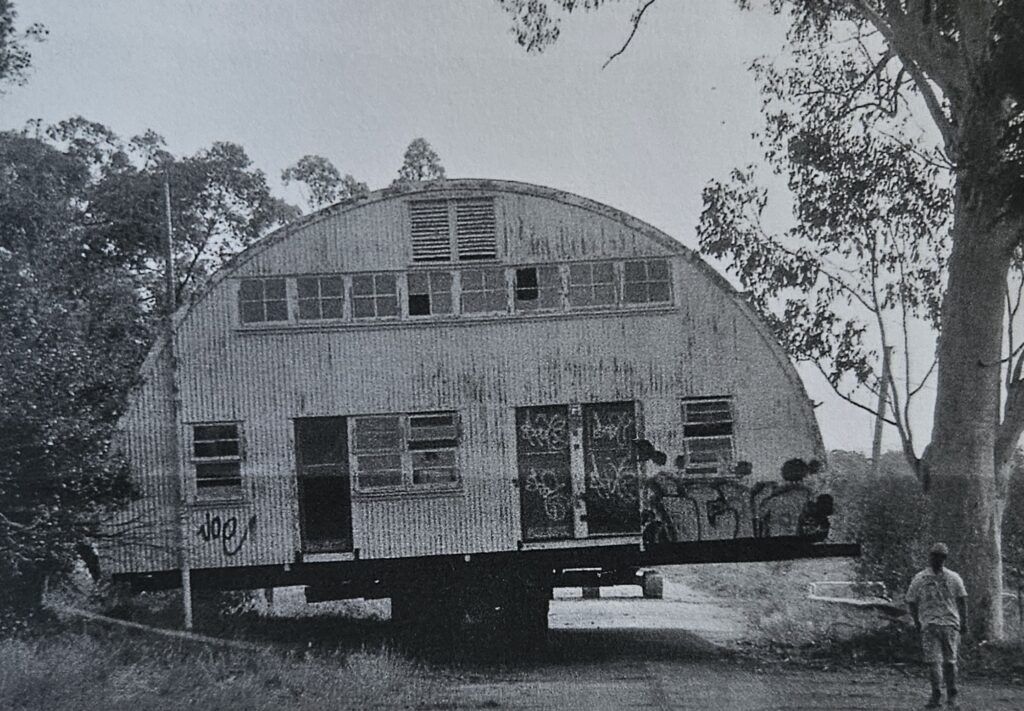
In 2001, when the Department of Defence proposed disposing of the Wacol barracks, Allom Lovell Pty Ltd, Brisbane architects, completed a heritage assessment of the site and concluded: “…The retention of perhaps a sample of typical buildings may be appropriate to recognise the history of this place but any listing of the site in whole

Preserved Camp Columbia buildings at the National Service Heritage Precinct, Wacol Read More »

Camp Columbia and the wartime aviation career of Marinus Willem Reith

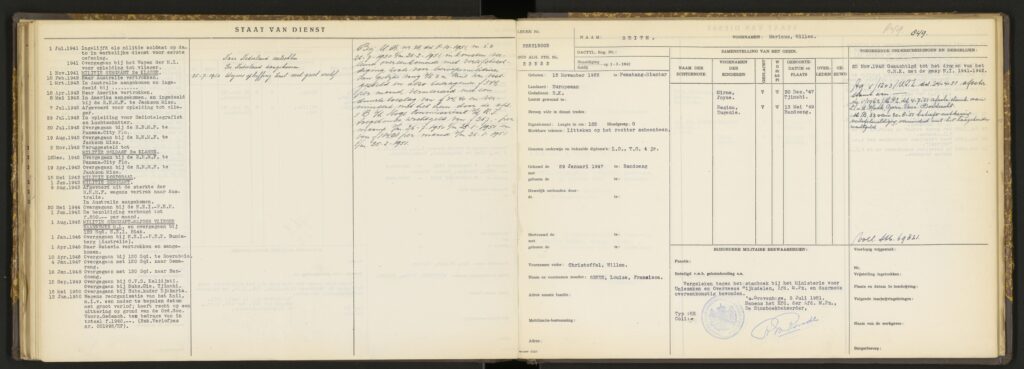
The military service record of Marinus Willem Reith provides a fascinating insight into the international wartime networks connected to Camp Columbia and the wider Wacol military area in Brisbane. His file traces a career that moved from the Netherlands East Indies (NEI) to Australia, the United States and eventually back into postwar Indonesia during the

Camp Columbia and the wartime aviation career of Marinus Willem Reith Read More »

Camp Columbia, Wacol and the international wartime aviation career of Willy Erkelens

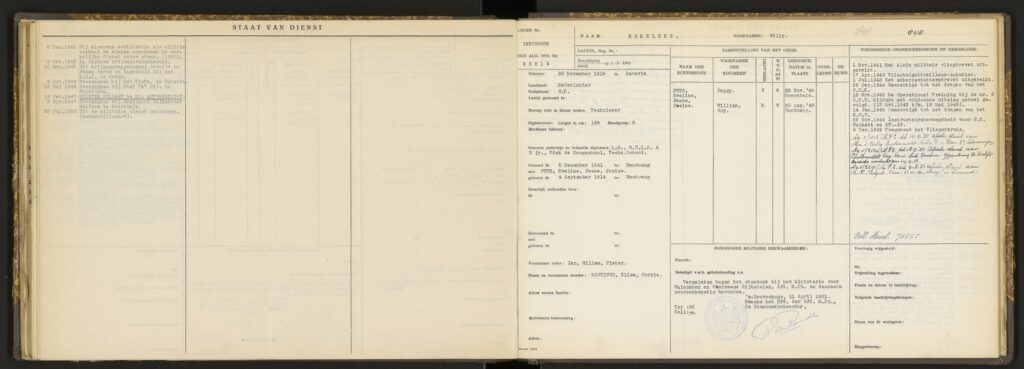
The military service records of Willy Erkelens provide a remarkable insight into the international wartime and postwar networks connected to Camp Columbia and the wider Wacol military area in Brisbane. His career linked the Netherlands East Indies (NEI), Australia, the United States, New Guinea and postwar Indonesia through Allied military aviation during and after the

Camp Columbia, Wacol and the international wartime aviation career of Willy Erkelens Read More »

Wacol Migrant Centre

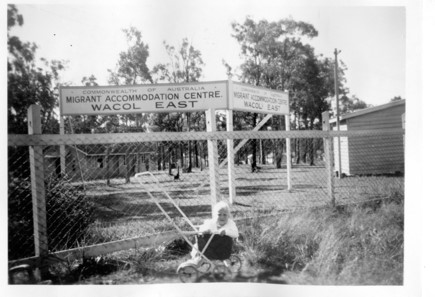
The history of the former Camp Columbia site at Wacol did not end with the departure of the American and Dutch military forces after the Second World War. In many ways, a new chapter was only just beginning. Over the following decades the vast military complex was transformed into one of Queensland’s most important migrant

Wacol Migrant Centre Read More »

Netherlands Forces Intelligence Service (NEFIS): Dutch intelligence in exile at Camp Columbia – Archive document added.

The Netherlands Forces Intelligence Service (NEFIS) was the wartime intelligence arm of the Netherlands East Indies (NEI) government-in-exile. It emerged after the collapse of the NEI in early 1942, when Dutch civil and military authorities relocated to Australia. NEFIS became the centre of Dutch intelligence, propaganda, and special operations in the South West Pacific Area

Netherlands Forces Intelligence Service (NEFIS): Dutch intelligence in exile at Camp Columbia – Archive document added. Read More »

The Dutch Women Army Corps in Brisbane

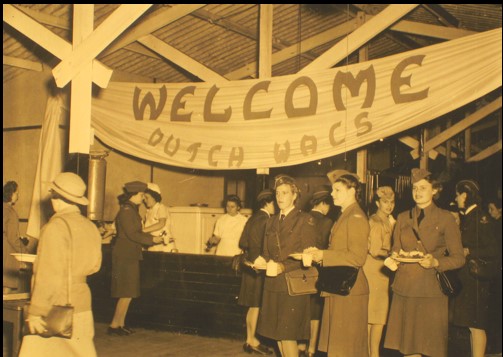
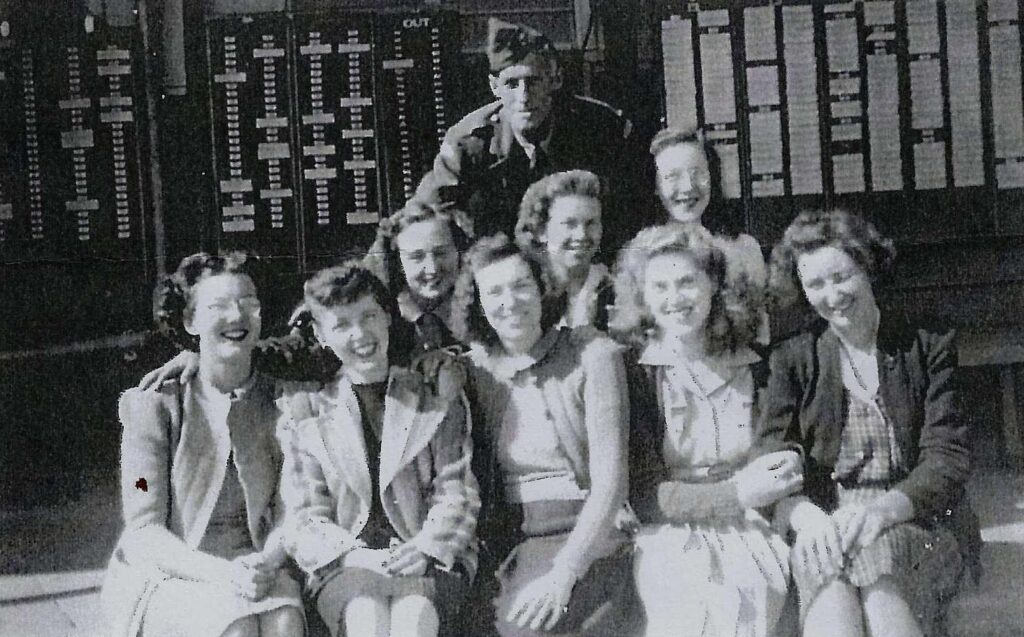
Introduction During the Second World War, women’s military and auxiliary corps became an essential part of the Allied war effort. Across Australia, the United States, Britain, the Netherlands, and the Netherlands East Indies, women served in uniform in a wide range of non-combatant roles that were vital to military effectiveness. Brisbane, and in particular Camp

The Dutch Women Army Corps in Brisbane Read More »

Brisbane and the maritime lifeline to New Guinea: beyond Camp Columbia

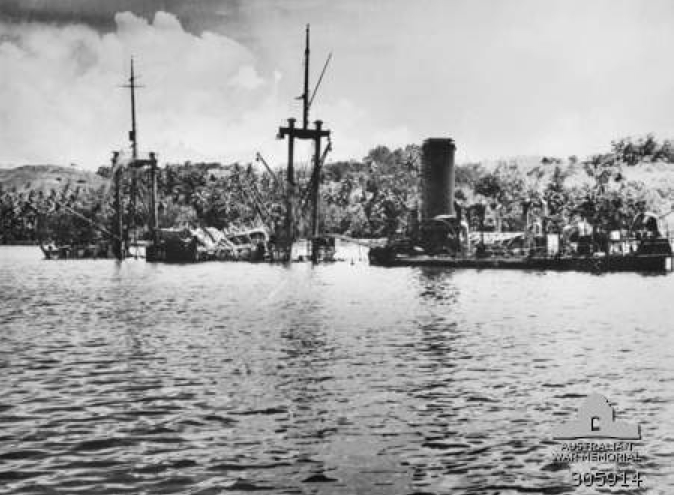
Introduction When considering Brisbane’s role during the Second World War, attention often focuses on specific sites such as Camp Columbia. Yet the wartime reality was far more complex. Brisbane functioned as part of a vast and interconnected operational system, linking command structures, training facilities, supply depots and transport networks. Among the most critical elements of

Brisbane and the maritime lifeline to New Guinea: beyond Camp Columbia Read More »

Archerfield Memories

This document provides a first-hand civilian account of Brisbane’s wartime aviation environment during the Second World War and the immediate post-war years, as experienced at Archerfield Aerodrome. It reflects the strongly international character of Brisbane at the time, shaped by the presence of American, Australian, Dutch, and Netherlands East Indies personnel operating within a shared

Archerfield Memories Read More »

Camp Columbia hosted refugees from the Japanese camps.

Following the Japanese invasion and occupation of the Dutch East Indies (now Indonesia) during World War II, many Dutch men, women, and children were interned in civilian and military prisoner-of-war camps. Conditions in these camps were often severe, marked by overcrowding, chronic food shortages, forced labour, and a near-total absence of medical supplies. Malnutrition and

Camp Columbia hosted refugees from the Japanese camps. Read More »

Camp Columbia and the Indonesian Independence story: Mohamad Bondan in wartime Australia

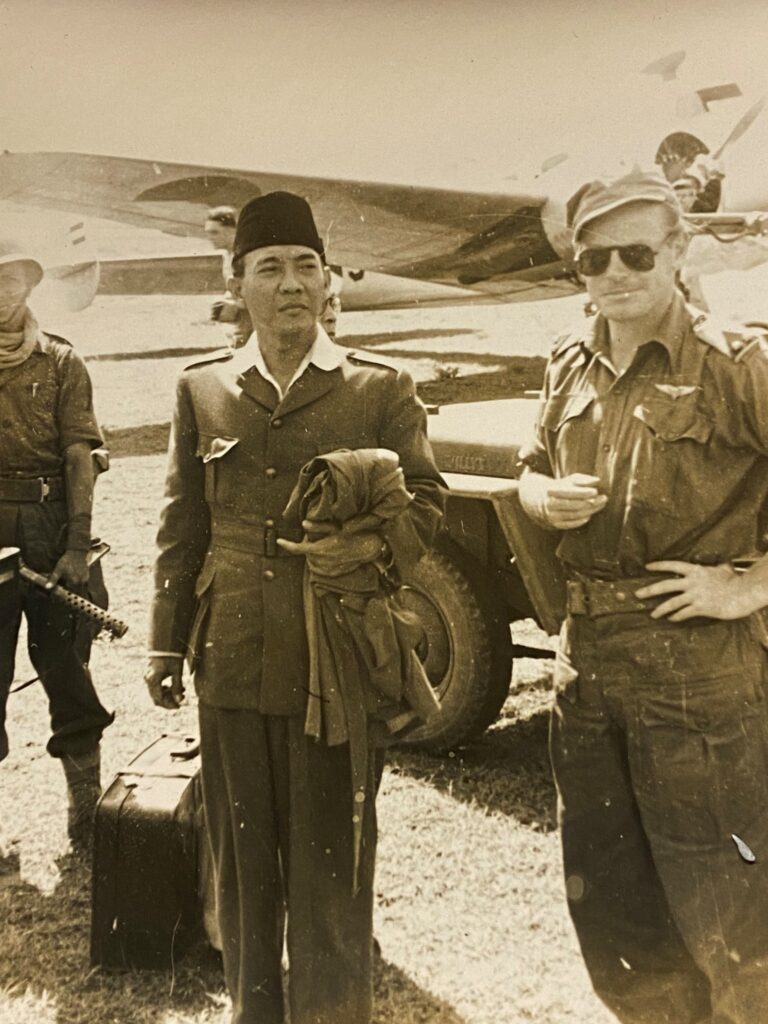
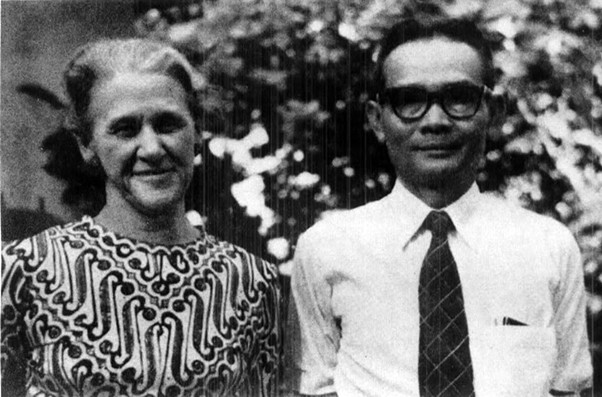
Indonesian political prisoners and wartime exile The story of Indonesian nationalist Mohamad Bondan offers a compelling insight into the complex political landscape that unfolded in Australia during the Second World War. His wartime journey reflects a wider and largely overlooked chapter of shared heritage linking Indonesia, the Netherlands and Australia. Bondan belonged to a generation

Camp Columbia and the Indonesian Independence story: Mohamad Bondan in wartime Australia Read More »

New partnership highlights Indonesian wartime presence at Camp Columbia

A new Memorandum of Understanding (MoU) between the Dutch Australian Cultural Centre (DACC) and Badan Pelestarian Pusaka Indonesia (BPPI – Indonesian Heritage Trust) is expected to strengthen research and public awareness of the Indonesian presence in Australia during the Second World War, particularly at Camp Columbia in Brisbane. Although the agreement has been signed by

New partnership highlights Indonesian wartime presence at Camp Columbia Read More »

Air Chief Marshal Charles Burnett and Australia’s engagement with Dutch intelligence, 1941–1944

In the final months before the Pacific War reached Australia, the Netherlands East Indies emerged as a crucial source of intelligence on Japanese intentions. One of the senior Australian officers directly involved in receiving and assessing this information was Charles Burnett, Chief of the Air Staff of the Royal Australian Air Force. Burnett’s role places

Air Chief Marshal Charles Burnett and Australia’s engagement with Dutch intelligence, 1941–1944 Read More »

Scroll to Top